


Published on: September 9, 2025 | Updated on: September 9, 2025
The ultimate proven method to remove tarnish from copper involves a simple, effective paste made from common household ingredients, gently applied and buffed to restore its natural shine without harsh chemicals.
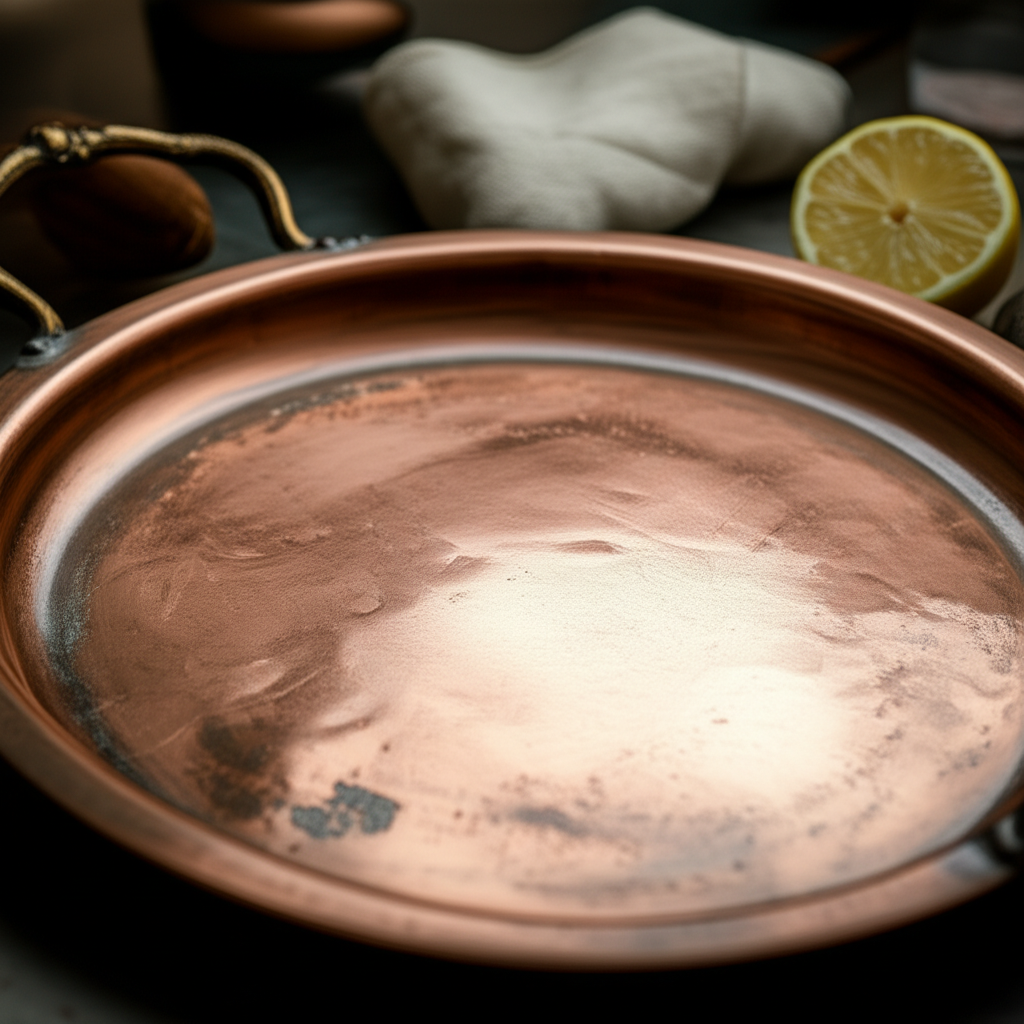
Copper, with its warm, inviting glow, is a beautiful material for cookware, decor, and even plumbing. However, exposure to air and moisture inevitably leads to tarnishing, leaving its surface dull and discolored. This common issue can be frustrating, making cherished items look neglected. But don’t worry, restoring that brilliant copper gleam is entirely achievable with the right approach. In this guide, I’ll walk you through the most effective, time-tested method to remove tarnish from copper, bringing back its former glory with simple household items.
Why Does Copper Tarnish? Understanding the Science Behind the Shine
Copper tarnishes due to a chemical reaction with sulfur compounds in the air and oxygen. This process, known as oxidation, creates a layer of copper sulfide or copper oxide on the surface, which appears as a dull, greenish, or dark brown coating. Factors like humidity, pollution, and even certain foods can accelerate this tarnishing process. Understanding this helps us choose the best methods to reverse it.
The Role of Oxidation in Copper’s Patina

Oxidation is a natural process where copper loses electrons when exposed to oxygen. This forms a new compound, tarnish, which obscures the shiny metallic surface. While some appreciate the aged look, known as a patina, most prefer to keep their copper items looking bright and new. This is where effective cleaning methods come into play.
The Ultimate Proven Method: A Simple Paste for Gleaming Copper
The most effective and universally recommended method to remove tarnish from copper relies on a simple, non-toxic paste. This DIY solution utilizes the mild abrasive and acidic properties of common kitchen staples to gently lift away the tarnish without damaging the copper itself. It’s safe, affordable, and incredibly effective.
Gathering Your Essential Copper Cleaning Arsenal
Before you begin, ensure you have the necessary items readily available. These are typically found in most kitchens, making this method accessible to everyone. Having everything prepared will make the cleaning process smooth and efficient.
Baking Soda: A mild abrasive and alkali that helps lift tarnish.
Lemon Juice or White Vinegar: Acts as a mild acid to dissolve copper oxides.
Salt (Optional, for tougher tarnish): Adds a bit more abrasive power.
Soft Cloths or Sponges: For application and buffing.
Warm Water: For rinsing.
Soft Brush (like an old toothbrush): For intricate areas.
Step-by-Step Guide to Removing Copper Tarnish
Follow these straightforward steps to transform your tarnished copper items. Patience and gentle scrubbing are key to achieving the best results. This method is designed to be easy for anyone to follow.
1. Prepare the Cleaning Paste: In a small bowl, mix about two tablespoons of baking soda with enough lemon juice or white vinegar to create a thick paste. If you’re dealing with stubborn tarnish, you can add a pinch of salt to the mixture for extra scrubbing power. Aim for a consistency similar to toothpaste.
2. Apply the Paste: Using a soft cloth or sponge, apply a generous amount of the paste to the tarnished areas of your copper item. Ensure you cover the entire surface that needs cleaning. Work the paste into any crevices or engraved details with a soft brush if necessary.
3. Let it Sit (Briefly): Allow the paste to sit on the copper for about 5-10 minutes. This gives the acidic components time to work on breaking down the tarnish. Avoid letting the paste dry completely, as this can make it harder to remove.
4. Gently Scrub: Using a soft cloth or sponge, gently rub the paste in a circular motion over the tarnished areas. You should start to see the tarnish lifting away. For tougher spots, you might need to apply slightly more pressure, but avoid aggressive scrubbing that could scratch the copper.
5. Rinse Thoroughly: Once you’ve scrubbed the entire item, rinse it thoroughly under warm running water. Make sure all traces of the paste are washed away. Any residue left behind can cause streaking.
6. Dry Immediately and Completely: This is a crucial step to prevent new tarnish from forming. Use a clean, soft towel to dry the copper item completely. Don’t let it air dry, as water spots can lead to fresh oxidation.
7. Buff for Shine: For an extra brilliant shine, buff the dried copper with a clean, dry, soft cloth. This will bring out its natural luster and give it a polished look.
This simple paste method is remarkably effective for most common copper tarnishing issues. It’s a reliable way to restore your copper without resorting to harsh chemicals.
Alternative Methods for Copper Tarnish Removal
While the baking soda and acid paste is my go-to, there are other proven methods you can use, depending on the severity of the tarnish and what you have on hand. Each has its own advantages and considerations. Exploring these options can provide flexibility for different situations.
Using Ketchup or Tomato Paste
The natural acidity in tomatoes makes ketchup and tomato paste surprisingly effective for removing light to moderate copper tarnish. It’s a fun and easy method, especially for kids to help with. This is a great option when you need a quick fix.
How it works: Apply a thin layer of ketchup or tomato paste to the tarnished copper. Let it sit for 10-30 minutes, then gently scrub with a soft cloth. Rinse thoroughly and dry immediately.
Best for: Copper pots, pans, or decorative items with minor tarnish.
Considerations: Can be a bit messy and might not be strong enough for heavily oxidized copper.
The Power of Cream of Tartar
Cream of tartar, a powdered acid, can also be used to create a cleaning paste for copper. It’s a pantry staple for bakers and a surprisingly effective cleaner. This method offers another gentle yet potent solution.
How it works: Mix cream of tartar with a little water or lemon juice to form a paste. Apply, let sit for a few minutes, gently scrub, rinse, and dry thoroughly.
Best for: Everyday tarnishing on copper cookware and decorative pieces.
Considerations: Similar to the baking soda paste, it’s mild and requires thorough rinsing.
Commercial Copper Cleaners: When to Consider Them
For extremely stubborn or deeply ingrained tarnish, commercial copper cleaners can be a viable option. These products are specifically formulated to tackle tough oxidation. However, they often contain harsher chemicals, so using them requires more caution.
Pros: Highly effective on severe tarnish, often work quickly.
Cons: Can be abrasive, may contain strong chemicals, require good ventilation and protective gear.
Recommendation: Always follow the manufacturer’s instructions precisely. Test on an inconspicuous area first. Brands like Brasso or Wright’s Copper Cream are well-regarded.
When choosing a method, always consider the type of copper item you’re cleaning and the severity of the tarnish. For most situations, the DIY paste method remains the superior choice for its safety and effectiveness.
Tools and Techniques for Polishing Copper
Once the tarnish is removed, polishing is the next step to reveal that breathtaking shine. Polishing isn’t just about aesthetics; it also helps to create a smoother surface that may resist future tarnishing. The right tools and techniques make all the difference in achieving a professional finish.
Choosing the Right Polishing Cloths
The type of cloth you use for polishing is crucial. Abrasive cloths can scratch the delicate copper surface, while too-soft cloths might not buff effectively. Opt for high-quality microfiber cloths or specialized jewelry polishing cloths. These are designed to clean and shine without causing damage.
Microfiber Cloths: Excellent for general buffing and removing any lingering residue. They are soft, absorbent, and don’t leave lint.
Jewelry Polishing Cloths: Often impregnated with a mild polishing agent, these are ideal for a final, high-gloss finish.
Soft Cotton Rags: Can be used, but ensure they are clean and lint-free.
The Art of Buffing for Maximum Shine
Buffing is the final stage of bringing out the best in your copper. It involves gently rubbing the surface to enhance its reflectivity. This step transforms a clean item into a gleaming masterpiece.
1. Ensure the Item is Completely Dry: Any moisture can lead to streaks or new tarnish.
2. Start with a Gentle Buff: Use your chosen polishing cloth and begin rubbing the copper in a consistent direction or in small, circular motions.
3. Apply Even Pressure: Avoid pressing too hard, which could create an uneven shine or scratch the surface.
4. Work in Sections: For larger items, tackle one section at a time to ensure an even finish.
5. Observe the Shine: As you buff, you’ll see the luster returning. Continue until you achieve your desired level of shine.
A good polishing technique, combined with the right cloths, will ensure your copper items look their absolute best. It’s a satisfying process to see the transformation happen.
Protecting Your Copper from Future Tarnish
Preventing tarnish is often easier than removing it. Once you’ve restored your copper’s shine, taking steps to protect it will ensure it stays looking beautiful for longer. A little preventative care goes a long way.
Sealing Copper Surfaces
For decorative copper items, applying a protective sealant can create a barrier against air and moisture. This is particularly useful for items that are not frequently used or handled. Choosing the right sealant is important for longevity and appearance.
Clear Acrylic Sealants: These provide a durable, transparent protective layer. Ensure the copper is perfectly clean and dry before application.
Specialized Copper Waxes: Offer a softer sheen and can be reapplied periodically. They are good for items that might be handled more often.
Application: Always apply thin, even coats in a well-ventilated area. Follow the product’s instructions for drying and curing times.
Proper Storage and Handling
How you store and handle your copper items significantly impacts their tendency to tarnish. Simple practices can make a big difference in maintaining that polished look. Being mindful of these details helps preserve the copper’s beauty.
Store in a Dry Place: Avoid humid environments like bathrooms or kitchens where steam is common.
Use Protective Wrappings: For items stored long-term, consider wrapping them in acid-free tissue paper or soft cloth bags.
Handle with Care: When handling copper, especially after cleaning, try to hold it by the edges or handles to minimize fingerprints and oils, which can accelerate tarnishing.
By implementing these preventative measures, you can significantly extend the time between cleanings and keep your copper looking its best. It’s about working smarter, not harder, to maintain that lovely gleam.
When to Call in the Professionals
While most copper tarnish can be handled with DIY methods, there are instances where professional restoration might be necessary. This is especially true for valuable antiques, intricate pieces, or items with significant damage. Professionals have specialized tools and expertise.
Identifying Items Requiring Professional Care
Consider professional help if your copper item is:
Extremely valuable or antique: Mishandling could devalue the piece.
Heavily corroded or pitted: DIY methods may not be sufficient.
Part of a complex mechanism: Delicate parts might require expert attention.
Coated with lacquer or other finishes: These need specific removal techniques.
Benefits of Professional Copper Restoration
A professional restorer can assess the damage accurately and use techniques that preserve the integrity and value of the copper piece. They have access to specialized chemicals, tools, and knowledge that go beyond typical home solutions. This ensures the best possible outcome for delicate or important items.
Understanding Different Types of Copper and Their Care
Not all copper items are created equal, and their care can vary. Solid copper, copper-plated items, and lacquered copper all require slightly different approaches. Knowing what you’re working with is key to effective cleaning and preservation.
Solid Copper vs. Copper-Plated Items
Solid copper is pure copper throughout, making it durable and able to withstand robust cleaning. Copper-plated items, however, have a thin layer of copper over another metal. Aggressive cleaning or scrubbing can wear away the plating, revealing the base metal underneath.
Solid Copper: Can be cleaned and polished extensively.
Copper-Plated: Requires a gentler approach; focus on surface cleaning and avoid excessive abrasion.
Lacquered Copper: A Different Approach
Many decorative copper items come with a clear lacquer coating to prevent tarnishing. If your copper is already lacquered and has lost its shine, you’ll need to remove the old lacquer before you can clean the copper beneath. This usually involves a lacquer thinner or stripper.
Removing Lacquer: Apply lacquer remover with a cloth in a well-ventilated area. Once the lacquer is softened, wipe it away.
Cleaning After Lacquer Removal: Proceed with your chosen cleaning method for bare copper.
Re-lacquering: After cleaning and drying, apply a new coat of clear acrylic lacquer for protection.
Always identify the type of copper you have before you start cleaning to avoid accidental damage. This ensures you use the most appropriate and effective method.
Troubleshooting Common Copper Cleaning Problems
Even with the best methods, you might encounter a few hiccups. Understanding common issues and how to resolve them will save you time and frustration. These troubleshooting tips address frequent challenges faced when cleaning copper.
Stubborn Black Tarnish
If the paste method isn’t fully removing very dark or black tarnish, you might need to increase the acidity or abrasiveness slightly. Try adding more lemon juice or vinegar to the paste, or use a bit of fine steel wool (grade #0000) very gently* on solid copper only, testing in an inconspicuous spot first. For plated items, stick to gentler methods.
Uneven Cleaning or Streaking
Streaking often occurs if the cleaning solution isn’t rinsed off completely or if the item isn’t dried thoroughly and evenly. Always rinse with plenty of warm water and dry immediately with a soft, lint-free cloth. Buffing afterward also helps to even out any residual marks.
Scratches on the Copper Surface
Unfortunately, deep scratches are difficult to remove from copper without professional polishing or refinishing. To prevent scratches in the future, always use soft cloths and sponges, and avoid abrasive cleaners or tools like steel wool on plated or delicate items. Gentle handling is key.
Addressing these common problems proactively will help you achieve a flawless finish on your copper pieces. It’s about understanding the material and the cleaning process.
FAQ: Your Copper Cleaning Questions Answered
Got more questions about tackling tarnish on your copper? Here are answers to some of the most common queries beginners have. These FAQs aim to clarify any lingering doubts you might have about the process.
Can I use toothpaste to remove tarnish from copper?
Yes, mild, non-gel toothpaste can be used as a gentle abrasive for light tarnish. Apply a small amount, rub gently with a soft cloth, rinse, and dry thoroughly. However, specialized copper cleaners or the baking soda paste method are generally more effective for significant tarnish.
Is it safe to use vinegar on all copper items?
Vinegar is safe for most solid copper items. However, it can be too harsh for delicate copper plating or antique pieces. Always test on an inconspicuous area first. For plated items, a milder solution or just baking soda with water is often preferred.
How often should I clean my copper cookware?
Clean your copper cookware as needed, typically after each use if it’s heavily soiled, or whenever you notice significant tarnish. For general maintenance, a quick wipe-down after cooking and thorough drying will help prevent rapid tarnish buildup.
Will cleaning damage the patina on my copper?
Yes, most cleaning methods, including the ones discussed, are designed to remove tarnish, which is a form of patina. If you are intentionally trying to preserve or enhance an aged patina, avoid aggressive cleaning. For decorative pieces where the patina is desired, gentle dusting and occasional polishing with a specialized wax might be better.
What’s the best way to remove green tarnish from copper?
Green tarnish is usually a more advanced form of oxidation (verdigris). The baking soda and lemon juice/vinegar paste is highly effective for this. For very stubborn green tarnish, you might need to let the paste sit a bit longer or use a commercial copper cleaner as a last resort.
Conclusion: Restoring Your Copper’s Brilliance is Achievable
Bringing back the stunning shine to tarnished copper is a rewarding process, and the ultimate proven method involving a simple baking soda and acid paste is remarkably effective and accessible. With readily available household ingredients, a bit of gentle effort, and proper techniques, you can transform dull, oxidized copper into gleaming works of art. Remember to always handle your copper items with care, dry them thoroughly after cleaning, and consider protective measures to maintain their luster. Whether it’s your favorite copper pot, a cherished decorative piece, or a vintage collectible, these methods will help you remove tarnish from copper and restore its natural, captivating beauty for years to come.
