


Published on: September 16, 2025 | Updated on: September 16, 2025
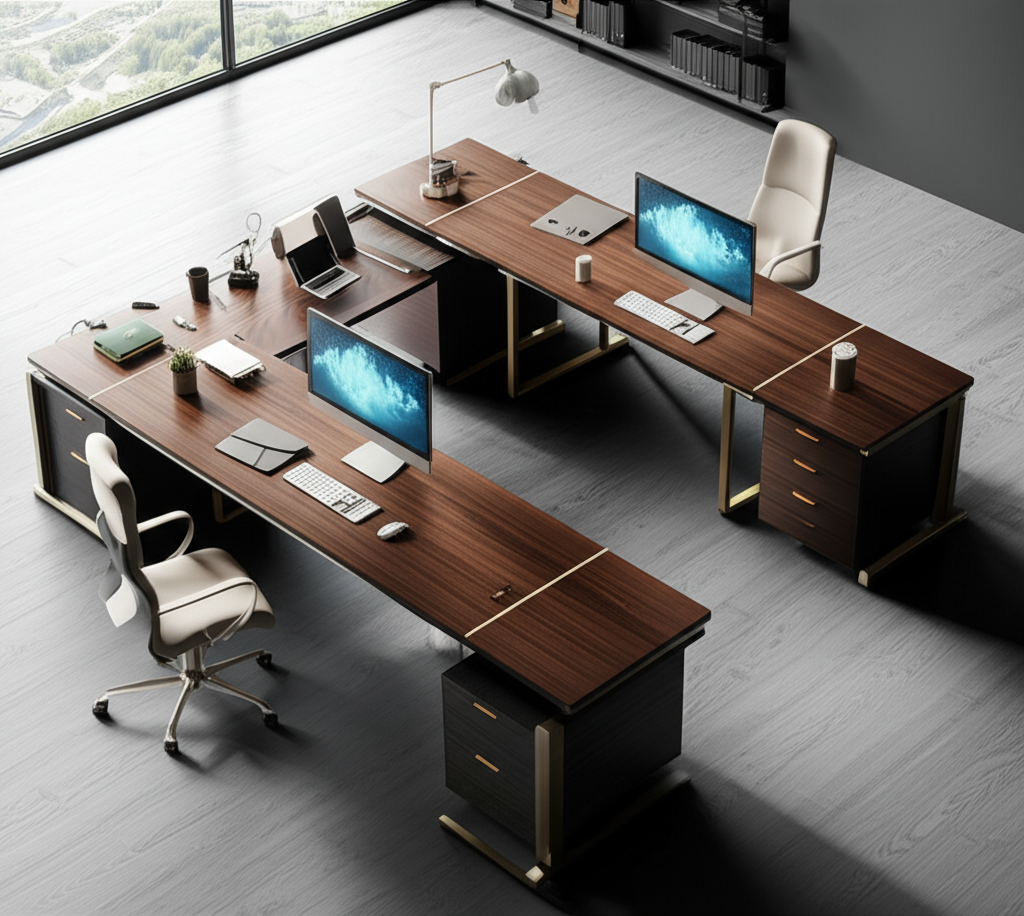
Maximize your shared office space with an L-shaped desk, the ultimate essential for enhanced productivity, organization, and ergonomic comfort. Discover how this versatile furniture piece can transform your dual-occupancy workspace into a functional and stylish haven, perfect for remote workers and small businesses alike.
Navigating the world of home office furniture can feel overwhelming, especially when you’re sharing your workspace. Finding a desk that accommodates two people without feeling cramped or chaotic is a common challenge many remote workers and entrepreneurs face. This is where the often-overlooked L-shaped desk for a shared office emerges as a surprisingly effective solution. It offers a smart way to define zones, boost efficiency, and maintain a sense of personal space within a shared environment.

An L-shaped desk for a shared office is a game-changer for optimizing limited space. It cleverly utilizes corner areas, providing ample surface area for two individuals to work comfortably without infringing on each other’s territory. This design inherently promotes better organization and can significantly reduce the feeling of clutter, making your shared workspace more conducive to focus and productivity.
Unlocking Dual Productivity: The Power of Defined Zones
One of the most significant advantages of an L-shaped desk for a shared office is its ability to create distinct work zones. Each person gets their own “wing” of the desk, allowing for personalized setups and a clear division of personal space. This separation helps minimize distractions and fosters a sense of individual ownership over one’s work area.
Separating Tasks for Peak Performance
The extended surface area of an L-shaped desk is perfect for multitasking or dedicating specific sections to different work activities. For example, one person might use the longer side for their computer and primary tasks, while the shorter side can be used for writing, reference materials, or even a small printer. This physical separation of tasks can lead to improved focus and efficiency.
Minimizing Cross-Contamination (of Clutter and Distractions)
In a shared office, clutter can easily spill over from one person’s area to another, leading to frustration and decreased productivity. The L-shape naturally creates a boundary, making it easier for each individual to manage their own mess and keep their workspace tidy. This containment is crucial for maintaining a harmonious working relationship and a calm environment.
Maximizing Space: The L-Shaped Desk’s Clever Footprint
Despite offering substantial surface area, an L-shaped desk is surprisingly space-efficient. Its ability to tuck neatly into a corner means it can often fit into smaller rooms or areas where two traditional desks would feel overwhelming. This makes it an ideal choice for studios, spare bedrooms, or any space that needs to serve a dual purpose.
Corner Configurations: The Space-Saving Secret
The inherent design of an L-shaped desk is its ability to leverage underutilized corner spaces. Instead of pushing two desks against walls, creating awkward gaps, an L-shaped desk fills the corner seamlessly, maximizing usable surface area and floor space. This is particularly beneficial in smaller apartments or shared office setups where every inch counts.
The Illusion of More Room
By consolidating two workspaces into a single, cohesive unit, an L-shaped desk can actually make a shared office feel larger and more organized. The clean lines and defined boundaries contribute to a sense of order, preventing the visual clutter that often plagues dual-occupancy spaces. This organized aesthetic can positively impact mood and focus.
Ergonomic Considerations for Two: Comfort is Key
When two people share a desk, ensuring ergonomic comfort for both is paramount. An L-shaped desk can facilitate this by allowing each individual to customize their setup within their designated zone. This means adjusting monitor height, keyboard placement, and chair positioning independently.
Independent Adjustability for Individual Needs
The beauty of an L-shaped desk for shared office spaces lies in its potential for independent customization. Each person can arrange their equipment, lighting, and accessories to suit their specific ergonomic needs. This includes ensuring proper monitor height for reduced neck strain and comfortable keyboard placement to prevent wrist issues. For instance, using a monitor arm can be a great way to achieve the perfect screen height and angle for each user.
Choosing the Right Height and Depth
When selecting an L-shaped desk for a shared office, consider the standard desk height (around 29-30 inches) and ensure there’s enough depth for comfortable legroom and monitor placement. Some L-shaped desks offer adjustable height options, which can be a fantastic investment for shared spaces where users might have different height preferences or needs. Exploring sit-stand L-shaped desks can also cater to diverse ergonomic requirements.
Storage is a critical element in any office, but it becomes even more important in a shared environment. An L-shaped desk can incorporate various storage solutions to keep both individuals’ belongings organized and accessible. This helps maintain a clean aesthetic and reduces the likelihood of items getting lost or misplaced.
Integrated Drawers and Shelves
Many L-shaped desks come with built-in drawers, shelves, or cabinets, providing immediate storage solutions. These can be invaluable for keeping essential office supplies, documents, and personal items neatly tucked away, contributing to a less cluttered visual field. Look for desks with ample drawer space for each user to maintain distinct personal storage.
Complementary Storage Accessories
Beyond integrated storage, consider adding complementary solutions like desk organizers, wall-mounted shelves, or small filing cabinets. These can further enhance the organizational capacity of your shared L-shaped desk setup. Cable management systems are also essential for keeping wires tidy and preventing a tangled mess that can detract from both aesthetics and functionality.
Material Matters: Durability and Aesthetics
The materials used in an L-shaped desk for a shared office can significantly impact its durability, aesthetics, and price. Opting for robust materials ensures longevity, especially in a high-traffic shared workspace. The visual appeal also plays a role in creating a pleasant and inspiring work environment.
Common Materials and Their Pros
MDF/Particleboard with Laminate: Affordable, widely available, and comes in many finishes. Laminate offers some resistance to scratches and spills, making it a practical choice for shared use.
Solid Wood: Offers superior durability, a premium look, and can be refinished. It’s a more significant investment but provides lasting quality.
* Metal: Often used for desk frames, providing exceptional strength and a modern industrial aesthetic.
Balancing Style and Functionality
When choosing an L-shaped desk for a shared office, consider how its style will complement the overall décor of your home or office. Whether you prefer a minimalist modern look, a classic traditional feel, or an industrial vibe, there are L-shaped desks available in a wide range of designs and finishes to match your preferences. The key is to find a balance between aesthetics and the practical demands of a shared workspace.
Proper lighting and thoughtful layout are crucial for a productive and comfortable shared office, especially when utilizing an L-shaped desk. The arrangement of the desk and surrounding elements can significantly impact focus, mood, and eye strain. Consider how natural light can be maximized and how artificial lighting can supplement it effectively.
Maximizing Natural Light
Positioning your L-shaped desk to take advantage of natural light is ideal. If possible, place it near a window, but be mindful of glare on your screens. The L-shape can help divide the space, allowing each person to orient their workstation to minimize direct sunlight or reflections.
Strategic Artificial Lighting
Supplement natural light with task lighting and ambient lighting. Each user might benefit from a personal desk lamp to illuminate their immediate workspace, reducing eye strain during long working hours. Consider overhead lighting that provides general illumination for the entire shared office area. A well-lit space can boost alertness and create a more positive working atmosphere.
Selecting the perfect L-shaped desk for a shared office involves more than just aesthetics. Several practical features can make a significant difference in daily usability and long-term satisfaction. Prioritize functionality and how well the desk meets the specific needs of two individuals working in close proximity.
Size and Dimensions: Measuring for Success
Before purchasing, meticulously measure your available space. An L-shaped desk for a shared office comes in various sizes, and it’s crucial to ensure it fits comfortably without making the room feel cramped. Consider the depth of each section, the overall width, and the height to ensure it accommodates both users and their equipment.
Desk Orientation: Left or Right Facing?
L-shaped desks are typically designed with a specific orientation – either the longer side is on the left or the right. Determine which configuration best suits your room layout and the workflow of the individuals who will be using it. This choice can significantly impact how easily you can move around the space and access items.
Cable Management Features
Look for desks with built-in cable management systems, such as grommets, trays, or clips. This feature is essential in a shared office to keep cords organized and out of sight, preventing a tangled mess and creating a cleaner, more professional look. Keeping cables managed can also prevent accidental disconnections.
Durability and Build Quality
In a shared office environment, the desk will likely experience more wear and tear. Opt for a desk made from durable materials with solid construction. Check reviews for feedback on the desk’s sturdiness and longevity. A well-built desk will withstand the demands of daily use and last for years to come.
With multiple users and devices, managing power and connectivity is a critical aspect of setting up a shared office with an L-shaped desk. Ensuring easy access to outlets and efficient cable management can prevent frustration and maintain a streamlined workflow. Think about how technology will integrate seamlessly into your workspace.
Power Strip and Outlet Placement
Consider how you will provide power to both workstations. Ideally, choose an L-shaped desk that can accommodate power strips or has integrated power outlets. If not, strategically place power strips within easy reach but out of the way of foot traffic. Using surge protectors is always a wise choice to safeguard your valuable equipment.
Network Connectivity
Ensure reliable internet connectivity for both users. If Wi-Fi is inconsistent, consider using Ethernet cables. Cable management solutions are vital here to keep network cables tidy and prevent trip hazards. For shared office spaces, a robust Wi-Fi router or mesh network system can be a worthwhile investment to ensure seamless connectivity for all devices.
While the L-shaped desk is the centerpiece, other furnishings play a vital role in creating a functional and comfortable shared office. Investing in ergonomic chairs, appropriate lighting, and smart storage solutions will enhance productivity and well-being for both occupants. Think holistically about the entire workspace environment.
Ergonomic Chairs: The Foundation of Comfort
No desk setup is complete without comfortable and supportive chairs. For a shared office, this means ensuring each person has an ergonomic chair that suits their body type and working style. Look for chairs with adjustable height, lumbar support, and armrests to promote good posture and prevent fatigue.
Storage Solutions: Beyond the Desk
As mentioned earlier, integrated desk storage is great, but you might need more. Consider adding vertical storage like bookshelves or filing cabinets to keep the desk surfaces clear. Wall-mounted shelves can also offer valuable storage without taking up floor space. Keeping shared resources organized is key to a harmonious dual workspace.
Décor and Personalization
While maintaining a professional atmosphere, allowing for some personalization can make the shared space more enjoyable. Consider neutral color schemes for the main furniture and allow individuals to add personal touches like plants, artwork, or photos within their zones. This can foster a sense of ownership and make the space feel more inviting.
Q1: Can an L-shaped desk really work for two people in a small room?
Yes, absolutely! An L-shaped desk is designed to utilize corner spaces efficiently, often fitting into areas where two separate desks wouldn’t. It provides ample surface area while maintaining a compact footprint, making it ideal for smaller shared offices.
Q2: How do I prevent my shared office from feeling cluttered with an L-shaped desk?
Focus on organization and designated zones. Utilize the desk’s natural divisions, implement strong cable management, and invest in additional storage solutions like drawers or shelves. Encourage each person to maintain their own tidy workspace.
Q3: What is the best material for a shared L-shaped desk?
For durability in a shared environment, consider solid wood or desks with sturdy metal frames and laminate tops. These materials tend to withstand daily use better than particleboard alone. However, laminate-covered MDF can be a cost-effective and practical option if budget is a concern.
Q4: How much space do I need for an L-shaped desk for two people?
While sizes vary, a common configuration might require a footprint of roughly 60 inches by 60 inches, with one side being longer than the other. Always measure your available space and compare it with the desk’s dimensions before purchasing to ensure a comfortable fit.
Q5: Is it possible to have separate power outlets for each person at an L-shaped desk?
Many L-shaped desks come with built-in power grommets or can accommodate power strips. If not, you can strategically place power strips near each workstation, ensuring they are safely secured and out of the way. Some desks even offer integrated USB ports for added convenience.
Q6: How can I ensure ergonomic comfort for both users of an L-shaped desk?
Encourage independent adjustment of chairs and monitor heights. Ensure sufficient legroom and desk depth for each person. Consider accessories like monitor arms or footrests to cater to individual ergonomic needs.
Investing in an L-shaped desk for your shared office is a strategic move towards enhanced productivity, improved organization, and greater comfort. It masterfully balances the need for individual workspace with the reality of a shared environment, transforming potential chaos into a functional and stylish hub. By carefully considering space, ergonomics, storage, and material, you can find the ultimate essential that elevates your dual workspace. Embrace the efficiency and clarity an L-shaped desk brings, and unlock your combined potential.
