


Published on: October 10, 2025 | Updated on: October 10, 2025
Do Metal Detectors Work Underwater: Essential Breakthroughs
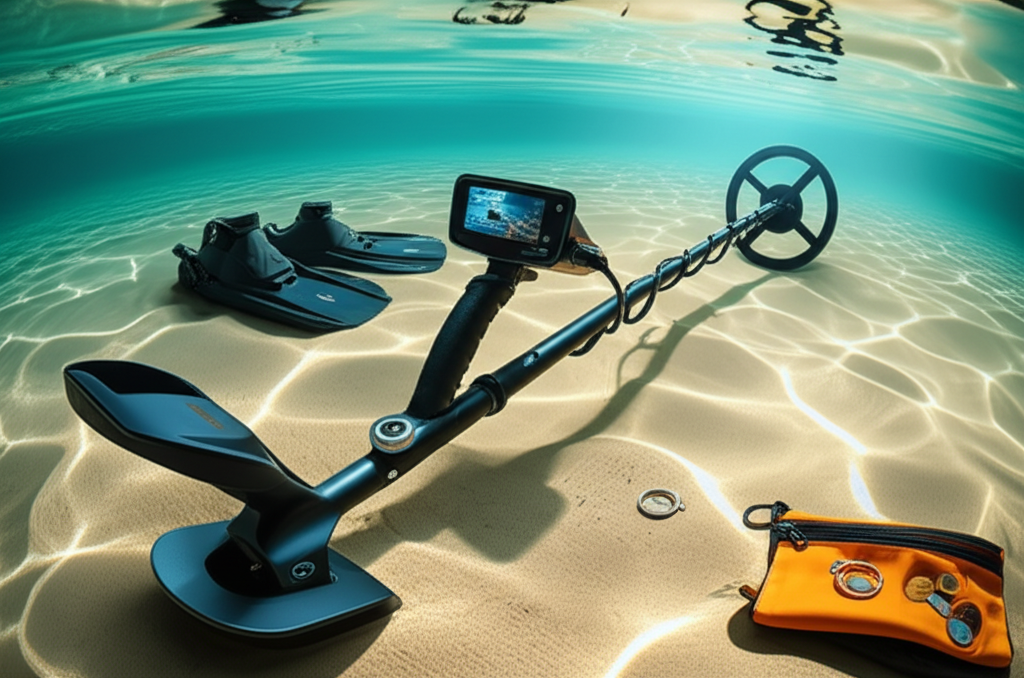
Yes, many metal detectors work underwater, but not all. Waterproof detectors are designed for submersion, using sealed electronics and special coils. Understanding their capabilities is key to successful underwater treasure hunting.
Are you curious about finding treasures beneath the waves? Many people wonder, “Do metal detectors work underwater?” It’s a great question, especially if you love the beach or dream of finding lost items in lakes and rivers. Some detectors can handle the water, while others can’t. This can be frustrating when you want to explore new hunting grounds. Don’t worry, I’m here to guide you. We’ll go through everything you need to know about underwater metal detecting. You’ll learn what makes a detector work in water and how to choose the right one for your adventures. Let’s get started and uncover the secrets of submerged metal detecting.
What Makes a Metal Detector Work Underwater?
Detecting metal underwater is possible because of specialized design. Standard detectors are not built for water. They have openings that let water seep in. This can damage the electronics. Waterproof detectors have sealed bodies. This keeps water out. Their internal parts are protected. This allows them to be fully submerged.
Waterproof vs. Water-Resistant Detectors

It’s important to know the difference. A water-resistant detector might handle rain or splashes. It is not meant for full submersion. A truly waterproof detector can be put underwater. You can often take them to specific depths. Always check the manufacturer’s specifications. This ensures you use the detector safely.
Sealed Coils and Control Boxes
The coil is the part that scans the ground. For underwater use, the coil must be waterproof. The control box, where the settings are, also needs protection. It must be completely sealed. This prevents water from getting inside. Some detectors have waterproof coils but not waterproof control boxes. These can only be used at the water’s edge.
Can Any Metal Detector Work Underwater?
No, not just any metal detector will work underwater. Most detectors are designed for dry land. They are not sealed against water. Submerging a non-waterproof detector will likely break it. You need a detector specifically made for water. These are built with special materials and seals.
The Importance of Waterproof Ratings
Manufacturers give detectors waterproof ratings. These ratings tell you how deep the detector can go. They also tell you how long it can stay submerged. Always look for these ratings before buying. Common ratings include submersible up to 10 feet or 3 meters. Exceeding these limits can cause damage.
Risks of Using Non-Waterproof Detectors
Using a regular detector in water is risky. Water can get into the electronics. This can cause short circuits. It might ruin the detector completely. Even a small amount of water can cause problems. It is better to be safe and use the right equipment.
Essential Breakthroughs in Underwater Metal Detector Technology
Technology has made underwater detecting much easier. New designs have improved performance greatly. These advances allow for better finds in wet conditions.
Pulse Induction (PI) Technology
Pulse Induction (PI) detectors are excellent for saltwater. Saltwater can interfere with other types of detectors. PI detectors send out pulses of energy. They measure the returning signals. This makes them less affected by minerals in the sand. They are great for beach hunting and shallow water.
Very Low Frequency (VLF) Detectors for Water
Some Very Low Frequency (VLF) detectors are also waterproof. These are common for general detecting. Newer VLF models are designed for water use. They offer good discrimination. This helps ignore junk targets. They work well in fresh water. They can also work in saltwater with specific settings.
Submersible Coils and Headphones
Coils are now fully submersible. This means you can sweep them underwater. Waterproof headphones are also a big help. They let you hear the signals clearly. This is important when the sound is muffled by water.
Choosing the Right Underwater Metal Detector
Selecting the correct detector is crucial. Your choice depends on where you want to search. It also depends on what you hope to find.
Consider Your Hunting Environment
Will you be in freshwater lakes? Or perhaps the ocean? Saltwater is more challenging for detectors. Beach detectors are often designed for this. Look for models with saltwater modes. For freshwater, many general-purpose waterproof detectors will work well.
Detector Features for Underwater Use
Look for features like full waterproofing. Check the depth rating. Adjustable sensitivity is important. This helps tune out interference. Ground balancing is also key, especially in mineralized water. Good discrimination helps you ignore trash.
Top Brands for Underwater Detectors
Several brands make great underwater detectors. Minelab is known for its advanced technology. Garrett offers reliable and user-friendly models. Nokta Makro has excellent waterproof options. Fisher also makes robust underwater detectors. Researching these brands can help you find a good fit.
How to Use a Metal Detector Underwater Effectively
Using a detector underwater is different from land. You need to adapt your technique.
Slow and Steady Sweeps
Move the coil slowly through the water. This gives the detector time to pick up signals. Fast sweeps can miss targets. Overlap your sweeps slightly. This ensures you cover the area well.
Listen Carefully to Signals
Underwater sounds can be different. Pay close attention to any changes in tone. Different signals mean different metals. Practice listening to various target sounds. This will improve your ability to identify finds.
Understanding Depth and Water Conditions
Know the depth rating of your detector. Do not go deeper than recommended. Strong currents can be dangerous. Murky water makes it hard to see. Be aware of your surroundings. Always detect with a buddy if possible.
Essential Accessories for Underwater Detecting
Beyond the detector, some accessories are vital. These tools make the experience safer and more productive.
Waterproof Headphones
As mentioned, waterproof headphones are a must. They let you hear faint signals. They also block out ambient noise. This helps you focus on the detector’s sounds.
Diving Mask and Snorkel
For shallow water, a mask and snorkel are useful. They allow you to look below the surface. You can spot targets visually. This can speed up your recovery process.
Diving Flashlight
If you plan to detect in low light or deeper water, a waterproof flashlight is needed. It helps you see targets on the bottom. It also helps you navigate safely.
Recovery Tools
You will need tools to retrieve your finds. A small scoop or trowel is useful for digging in sand or mud. Make sure these tools are also corrosion-resistant.
Common Challenges and Solutions in Underwater Detecting
Underwater detecting comes with unique challenges. Knowing these helps you prepare.
Saltwater Interference
Saltwater is electrically conductive. This can cause false signals on some detectors. Pulse Induction (PI) detectors handle saltwater best. Some VLF detectors have special saltwater modes. These modes help cancel out the interference.
Low Visibility
Water can be cloudy. This makes it hard to see targets. Slow, methodical sweeping is key. Rely on your detector’s audio signals. Sometimes you can feel targets with your feet.
Strong Currents and Waves
These can make detecting difficult and dangerous. Choose calm days for detecting. Stay close to shore if currents are strong. Never put yourself in danger.
Mud and Silt
These can hide targets. They can also clog your detector. Use a waterproof brush to clean your gear. Sometimes targets are buried deep. You might need specialized digging tools.
Breakthroughs in Underwater Metal Detector Coils
The coil is the heart of any metal detector. For underwater use, coil technology has seen major improvements.
Full Waterproofing of Coils
Early waterproof detectors often had only partially sealed coils. Modern coils are completely waterproof. They are often filled with epoxy resin. This makes them robust and reliable underwater.
Larger and Smaller Coil Options
You can find coils in various sizes. Larger coils cover more ground. They are good for searching open areas. Smaller coils are more sensitive to small targets. They are also better for maneuvering in tight spots.
Multi-Frequency Technology in Coils
Some advanced detectors use multi-frequency coils. These coils transmit multiple frequencies at once. This allows them to detect a wider range of targets. It also helps perform better in different soil and water conditions.
Do Metal Detectors Work Underwater for Gold Prospecting?
Yes, metal detectors can work underwater for gold prospecting. Gold is often found in rivers and streams. Special gold prospecting detectors are designed for this.
Gold Prospecting Detectors
Many gold detectors are waterproof. They are built to find small gold nuggets. They often operate at higher frequencies. This makes them sensitive to gold. Some are designed specifically for use in water.
Finding Gold in Rivers and Streams
You can sweep coils through the water. Look for areas where gold might settle. These include bedrock cracks and behind rocks. Always check local regulations for gold prospecting.
FAQ: Your Underwater Metal Detecting Questions Answered
What is the main difference between waterproof and water-resistant metal detectors?
A waterproof detector can be fully submerged in water. A water-resistant one can only handle splashes or rain. Always check the depth rating for waterproof models.
Can I use my regular land metal detector at the beach?
Only if the coil is waterproof and you stay at the water’s edge. The control box must also be protected from splashes. Most land detectors are not safe for full submersion.
What is the best type of metal detector for saltwater?
Pulse Induction (PI) detectors are generally best for saltwater. They are less affected by the salt’s conductivity. Some VLF detectors with good saltwater modes can also work.
How deep can most underwater metal detectors go?
Depth ratings vary greatly. Many recreational underwater detectors can go down to 10-30 feet (3-10 meters). Professional diving detectors can go much deeper. Always check the specific model’s rating.
Do I need special training to use a metal detector underwater?
Basic metal detecting skills are helpful. For deeper water, basic diving knowledge is recommended for safety. Always prioritize your safety and be aware of your surroundings.
What kind of targets can I expect to find underwater?
You can find coins, jewelry, fishing lures, dive gear, and historical artifacts. The types of targets depend on the location and its history. Beaches and old swimming spots are often productive.
Are there any safety concerns when detecting underwater?
Yes, safety is very important. Be aware of currents, waves, and underwater obstacles. Never detect alone in deeper water. Ensure your equipment is functioning correctly.
Conclusion: Dive In and Discover
So, do metal detectors work underwater? Absolutely, with the right equipment. The advancements in technology have opened up a whole new world for treasure hunters. From fully sealed coils to specialized PI technology for saltwater, there are now many excellent options. Choosing a detector with a proper waterproof rating and understanding how to use it effectively are key. Whether you’re hunting for coins on a sandy beach or relics in a freshwater lake, underwater metal detecting can be incredibly rewarding. Remember to always prioritize safety and respect local laws. Now you’re ready to explore the watery depths and uncover hidden treasures!
