


Published on: October 14, 2025 | Updated on: October 14, 2025
Friendly Metal Detecting: Unearthing Essential Hidden Treasures
Friendly metal detecting makes treasure hunting accessible and fun for everyone. Discover key tools and techniques to find hidden treasures like coins, relics, and gold with ease and enjoyment.
Metal detecting is a hobby that can bring a lot of joy. Sometimes, though, it feels a bit tricky to get started. You might wonder what gear to use or where to look for interesting finds. This guide will walk you through everything you need to know. We’ll cover the basics and share some secrets. You’ll learn how to make your treasure hunting trips successful and enjoyable. Get ready to find some amazing hidden treasures!
What is Friendly Metal Detecting?
Friendly metal detecting means enjoying the hobby in a way that’s easy and fun for all. It’s about finding cool things without stress. This includes using simple tools and knowing where to look. We focus on making the experience pleasant and rewarding. It’s for anyone who wants to explore and find hidden treasures.
Your First Friendly Metal Detector
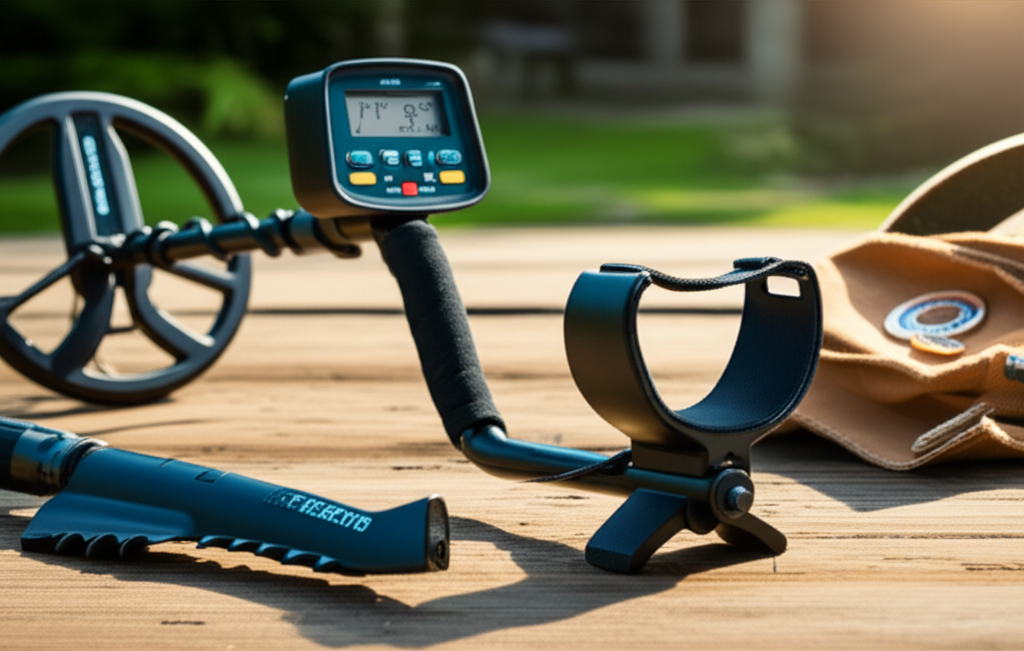
Choosing your first metal detector is important. You want something easy to use. Look for a detector that is lightweight and balanced. It should have simple controls that are easy to understand. Many beginner models are very good at finding common items like coins and jewelry. This makes your first hunts more exciting. A good starter detector will help you learn the ropes quickly.
Essential Detecting Gear Beyond the Detector
Besides your metal detector, a few other tools are very helpful. A pinpointer is a small device that helps you find targets in the dirt. It’s like a mini-detector for your small hole. A good digging tool is also a must-have. You need something strong enough to dig in different soils. Always bring a small bag or pouch for your finds.
Understanding Your Metal Detector’s Signals
Metal detectors make sounds to tell you about targets. These sounds are called signals. Different signals mean different things. Some sounds might mean iron, while others could be a coin. Learning these sounds takes practice. Your detector’s manual will help you understand its specific signals. Listen carefully to what your detector is telling you.
Where to Find Hidden Treasures
The best places to look are often where people have been. Old parks, schoolyards, and beaches are great spots. Look for areas with historical significance. Always get permission before detecting on private land. Public lands have rules too, so check those carefully. Exploring new places can lead to surprising finds.
Mastering the Sweep: How to Use Your Detector
Using your metal detector correctly is key. You need to sweep the coil slowly and evenly over the ground. Overlap each sweep slightly. This ensures you cover the area well. Keep the coil close to the ground but not dragging. A consistent motion helps your detector pick up targets accurately.
Digging Techniques for Responsible Detecting
When your detector signals a target, it’s time to dig. Dig a neat plug of soil, like cutting a small pie. Carefully place the plug aside. Then, use your pinpointer to locate the item in the soil or the hole. Once found, replace the soil plug neatly. Leave the spot looking as if you were never there. This is crucial for friendly metal detecting.
Identifying Your Finds: Coins, Relics, and More
Once you find something, you’ll want to know what it is. Coins are often easy to identify by their date and design. Relics can be harder; they might be old buttons, tools, or parts of buildings. Cleaning your finds gently will help. Researching your finds online or in books can be very rewarding.
Dealing with Trash and Junk Targets
Not every signal is a treasure. You will find a lot of junk targets. These can be nails, bottle caps, or foil. It’s important to dig these too. Removing junk helps keep detecting spots clean. Learning to distinguish between good and bad signals will save you time. This is part of being a responsible detectorist.
The Joy of Friendly Metal Detecting
Friendly metal detecting is more than just finding things. It’s about enjoying the outdoors and learning history. It’s a relaxing hobby that can lead to exciting discoveries. You connect with the past in a unique way. Every outing is an adventure waiting to happen. The thrill of the find is truly special.
FAQ: Your Friendly Metal Detecting Questions Answered
What is the easiest metal detector for beginners?

Many brands offer user-friendly detectors designed for beginners. Look for models with simple controls and automatic ground balance. They usually have clear target IDs and audio tones.
Do I need a special license to metal detect?
In most places, you don’t need a license for recreational metal detecting on public lands. However, rules vary by location. Always check local laws and regulations before you start.
What should I do if I find something valuable?
If you find something historically significant or potentially valuable, it’s best to report it. Contact local museums or historical societies. They can help identify and preserve your find properly.
Can I metal detect in my backyard?
Yes, you can often metal detect in your own backyard. Just be mindful of any underground utilities. It’s a great place to practice and find lost items.
How do I clean old coins I find?
Clean old coins very gently. Avoid harsh scrubbing or chemicals. Sometimes, just rinsing with water is enough. For valuable coins, it’s best to consult a professional.
What is the best time of year for metal detecting?
The best time often depends on your location and the type of finds you seek. Spring and fall offer pleasant weather. Beaches can be good after storms.
Conclusion: Your Journey into Friendly Metal Detecting
Friendly metal detecting offers a wonderful way to explore and connect with history. By understanding your gear and using good techniques, you can enjoy countless rewarding hunts. Remember to always be respectful of the land and its history. Every swing of your coil is a chance to uncover something amazing. Happy detecting, and may your friendly metal detecting adventures be filled with exciting hidden treasures!
