


Published on: November 3, 2025 | Updated on: November 3, 2025
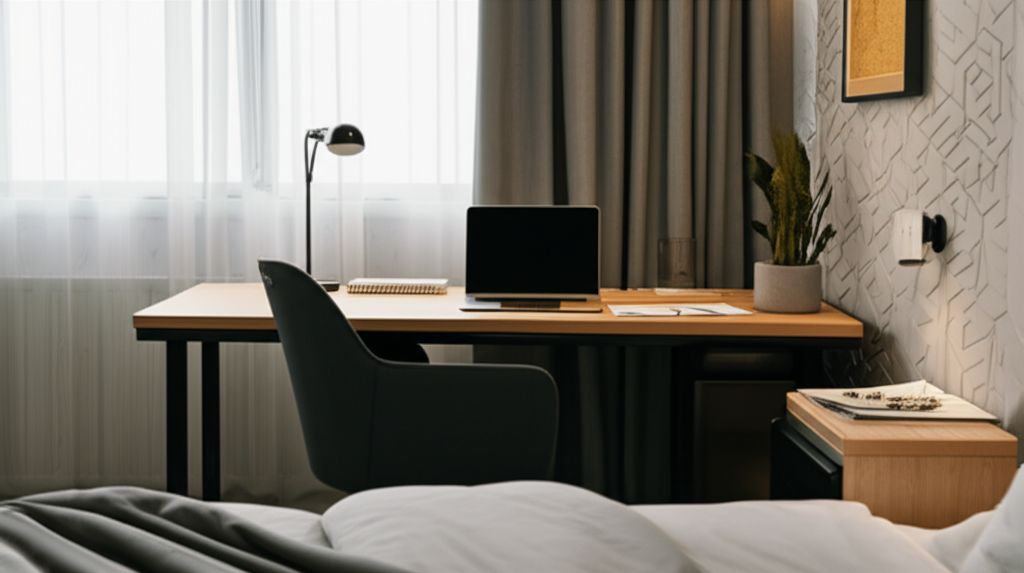
Transforming your bedroom into a functional workspace is achievable with clever design and smart tool choices, creating an efficient small office area in your bedroom without sacrificing comfort or style.
Creating a dedicated workspace within your bedroom is a common challenge for many remote workers and students. The desire for a functional home office clashes with limited space, often leading to cluttered corners and reduced relaxation. But don’t worry! With smart strategies and the right tools, you can craft a productive small office area in your bedroom that feels organized and inspiring. Let’s explore how to make this happen.
Why a Small Office Area in Your Bedroom Makes Sense

Many people choose to set up a small office area in their bedroom because it’s often the most practical solution. When you don’t have a spare room, your bedroom becomes the next best option. It allows you to combine your living and working spaces efficiently. This setup can save you commute time and money, offering flexibility for your work schedule.
This approach is particularly useful for individuals living in smaller apartments or homes. It maximizes the use of available space. Having your workspace nearby can also boost productivity for some, as it minimizes distractions from other parts of the house.
Designing Your Small Office Area in the Bedroom
When designing your small office area in the bedroom, think about making the space feel distinct. Even a small corner can become a dedicated work zone. Use furniture and decor to visually separate your work area from your relaxation space. This helps your brain switch between work and rest modes.
Consider the layout carefully. Place your desk where it gets good natural light if possible. Avoid placing it directly facing your bed, as this can blur the lines between work and sleep. Think about vertical space too; shelves can add storage without taking up floor area.
Choosing the Right Desk for Your Bedroom Workspace
The desk is the centerpiece of your small office area in your bedroom. For tight spaces, a compact desk is essential. Look for desks that are narrow or have a smaller footprint. Wall-mounted desks or floating shelves can be excellent space-saving solutions.
Consider a desk with built-in storage like drawers or shelves. This helps keep your workspace tidy. A simple writing desk can also work well if you don’t need a lot of equipment. Measure your available space before you buy to ensure a good fit.
Smart Storage Solutions to Keep Things Tidy
Effective storage is crucial for a small office area in your bedroom. Clutter can quickly make a small space feel cramped and overwhelming. Use wall shelves, stackable drawers, and desk organizers to keep your supplies neat. Vertical storage is your best friend in a small room.
Think about closed storage options like cabinets or boxes to hide away less attractive items. This maintains a clean aesthetic. Pegboards are also fantastic for hanging tools, stationery, and even small plants, keeping your desk surface clear.
Ergonomic Essentials for Your Bedroom Workspace
Setting up an ergonomic workspace is vital, even in a small office area in your bedroom. Good ergonomics prevent discomfort and long-term health issues. This means choosing furniture that supports your body properly.
Your posture matters a lot when you work for many hours. Investing in ergonomic solutions will pay off in comfort and productivity. It ensures your workspace serves you well without causing pain.
The Best Ergonomic Chair for Small Spaces
A comfortable and supportive chair is non-negotiable for any workspace. For a small office area in your bedroom, opt for a chair that is adjustable but also relatively compact. Look for features like lumbar support and adjustable armrests.
Consider a chair with a smaller base or one that can be tucked neatly under your desk when not in use. Mesh-backed chairs can offer good breathability and a lighter visual feel in a bedroom. A good chair supports your back and legs properly.
Monitor Stands and Laptop Risers
To improve your posture and reduce neck strain, consider a monitor stand or laptop riser. These elevate your screen to eye level. This simple adjustment makes a big difference in how you sit and feel while working.
For laptops, a stand can also improve airflow, preventing overheating. You can then add an external keyboard and mouse for a more ergonomic setup. This turns your laptop into a more desk-friendly workstation.
Essential Gadgets and Tools for Productivity
Beyond furniture, certain gadgets can significantly enhance your productivity in a small office area in your bedroom. These tools help streamline your workflow and keep you focused. Think about items that solve common workspace problems.
Smart gadgets can make your small space work harder for you. They help manage cables, improve lighting, and organize your digital and physical tasks.
Cable Management Solutions
Tangled wires can make any small office area look messy and unprofessional. Invest in cable management solutions like cable clips, sleeves, or a cable management box. These keep your cords tidy and out of sight.
Good cable management not only improves the look of your workspace but also prevents tripping hazards. It makes your desk area much safer and cleaner.
Lighting for Your Bedroom Workspace
Proper lighting is key to reducing eye strain and boosting focus. Natural light is best, so position your desk near a window if possible. Supplement this with good artificial lighting. A desk lamp is a must-have for tasks requiring close attention.
Consider an adjustable desk lamp that allows you to direct light where you need it. Ambient lighting in the room should also be comfortable for working. Avoid harsh, direct lights that can cause glare.
Maximizing Productivity in Your Bedroom Office
Creating a small office area in your bedroom is only half the battle; the other half is using it effectively. You need strategies to stay focused and productive. This means setting boundaries and creating a routine.
Treat your bedroom workspace as you would any other office. This mental separation helps you get into work mode. It’s about making the most of the space you have.
Setting Boundaries Between Work and Rest
It’s crucial to establish clear boundaries between your work life and your personal life, especially when working from your bedroom. Try to define specific work hours and stick to them. When your workday is over, pack away your work materials if possible.
This physical act of tidying up signals the end of your workday. It helps you mentally switch off and relax in your bedroom. Avoid working from your bed, as this blurs the lines too much.
Noise Reduction Strategies
Bedrooms can sometimes be noisy environments, impacting concentration. If your bedroom is prone to noise, consider noise-canceling headphones. These are invaluable for blocking out distractions.
Alternatively, white noise machines or calming ambient sounds can create a more focused atmosphere. Even simple solutions like earplugs can make a significant difference in your ability to concentrate.
Space-Saving Furniture Ideas
When space is at a premium, innovative furniture choices are essential for a functional small office area in your bedroom. Look for items that serve multiple purposes or can be easily stored away. Multi-functional furniture can make a big impact.
Consider furniture designed specifically for small spaces. These items are often more compact and adaptable. They help you get the most out of every square inch.
Fold-Away Desks and Wall-Mounted Solutions
Fold-away desks are fantastic for small bedrooms. They can be easily collapsed and stored against the wall when not in use. This frees up valuable floor space for other activities.
Wall-mounted desks or shelves offer a similar benefit. They create a workspace without taking up room on the floor. These solutions are sleek and modern, fitting well into many decor styles.
Utilizing Vertical Space with Shelving
Don’t underestimate the power of vertical space. Install shelves above your desk or around your room. These shelves can hold books, office supplies, and decorative items.
Floating shelves offer a minimalist look and can be arranged in various configurations. They help keep your desk clear and organized. This makes your workspace feel much larger.
The Importance of Personalization
Even a small office area in your bedroom should reflect your personality. Personalizing your space can make it more enjoyable and inspiring to work in. Add elements that motivate you.
This can include plants, artwork, or photos. A touch of your personal style can make a big difference. It transforms a functional space into a place you actually want to spend time in.
Adding Greenery and Decor
Plants can liven up any workspace, including a small office area in your bedroom. They improve air quality and add a touch of nature. Choose low-maintenance plants if you don’t have a green thumb.
Artwork or photos that inspire you can also be great additions. Choose items that bring you joy or spark creativity. Keep decor minimal to avoid clutter in a small space.
Frequently Asked Questions About Bedroom Offices
Q1: How can I make my small bedroom office feel less cramped?
Use light colors, mirrors, and smart, multi-functional furniture. Keep the area tidy and organized. Vertical storage also helps maximize space visually and functionally.
Q2: Is it bad to have an office in my bedroom?
It can be challenging if you don’t set clear boundaries. The key is to separate work time and personal time. This prevents work stress from impacting your sleep and relaxation.
Q3: What is the minimum desk size for a bedroom office?
A desk that is at least 40 inches wide and 20 inches deep is often sufficient for basic tasks. However, measure your available space and needs carefully. Compact or wall-mounted desks can work even with less space.
Q4: How do I deal with distractions in a bedroom office?
Use noise-canceling headphones, establish a routine, and communicate your work hours to others in the household. Designating a specific corner for work also helps create a mental separation.
Q5: Can I use my bed as a desk?
No, it’s strongly advised against. Working from your bed blurs the lines between work and rest, negatively impacting both your sleep quality and productivity. Always use a dedicated desk.
Q6: What are essential ergonomic adjustments for a small bedroom office?
Ensure your monitor is at eye level, your chair provides good lumbar support, and your keyboard/mouse allow your wrists to remain neutral. Take regular breaks to stretch and move around.
Conclusion: Your Productive Bedroom Workspace Awaits
Creating a functional and comfortable small office area in your bedroom is entirely possible with thoughtful planning and the right tools. By focusing on smart furniture choices, efficient storage, ergonomic comfort, and productivity-boosting gadgets, you can transform any corner into a dedicated workspace. Remember to set clear boundaries between work and rest to maintain a healthy balance. With these genius tips, your bedroom can become a highly effective hub for your professional or academic endeavors. Embrace the possibilities and start building your ideal small office area in your bedroom today.
