


Published on: November 4, 2025 | Updated on: November 4, 2025
Essential breakthroughs in metal detector equipment help you find more treasure. This guide covers the latest tech, essential tools, and how to choose the best gear for your detecting adventures.
Metal detecting is a fantastic hobby. It lets you explore the outdoors. You can uncover lost coins, jewelry, and historical relics. But choosing the right metal detector equipment can feel overwhelming. Many options exist. Some are very advanced. Others are simpler. This guide will break down the most important metal detector equipment. We will look at the newest innovations. We will also cover the basic tools every detectorist needs. By the end, you will know exactly what metal detector equipment will help you find more treasure.
What is Metal Detector Equipment?
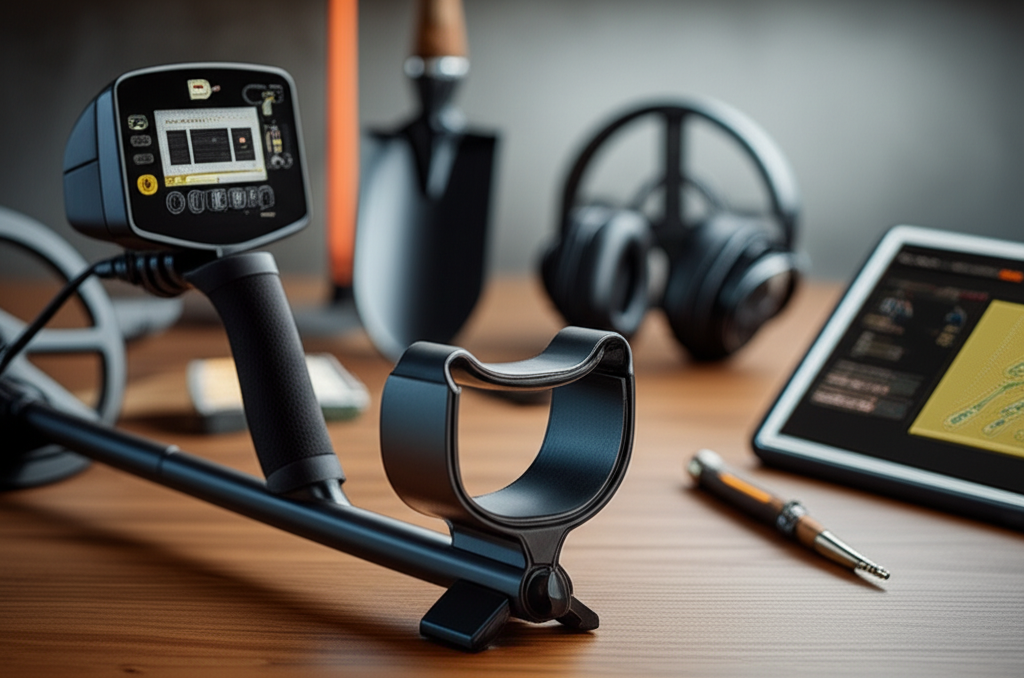
Metal detector equipment refers to all the tools and devices used for metal detecting. This includes the main metal detector itself. It also covers accessories like coils, pinpointers, and digging tools. Choosing the right equipment is key. It affects how much you find. It also impacts how much fun you have.
The Core of Your Kit: The Metal Detector

The metal detector is your main tool. It uses electromagnetic fields to find metal objects underground. Modern detectors have many features. These features help you distinguish between different types of metal. They also help you ignore junk targets.
Key Detector Technologies to Know
Detectors use different technologies. Very Low Frequency (VLF) is common. It works well for coins and jewelry. Pulse Induction (PI) is good for mineralized ground. It can also find deeper targets. Some detectors use Multi-Frequency technology. This lets them search on several frequencies at once. This is great for finding a wide range of targets.
Understanding Detector Frequencies
Frequencies are measured in kilohertz (kHz). Lower frequencies (like 5-10 kHz) are good for large, deep targets. Higher frequencies (like 15-20 kHz and above) are better for small targets. They also work well for gold. Many detectors offer adjustable frequencies. This gives you flexibility.
Ground Balance: Your Secret Weapon
Ground balance is very important. It helps the detector ignore minerals in the soil. This stops false signals. Most detectors have automatic ground balance. Some have manual control. Manual control offers more precision.
Expanding Your Reach: Detector Coils
The coil is the part of the detector that sits on the ground. It sends out and receives the electromagnetic signal. Different coils have different strengths. Choosing the right coil can make a big difference.
Types of Detector Coils
You’ll find different coil shapes and sizes. Small coils (like 6-8 inches) are good for tight spaces. They are also great for small targets. Large coils (10-15 inches or more) cover more ground. They can also detect deeper. Elliptical coils are good for navigating through brush and obstacles.
Monoloop vs. Double-D Coils
Monoloop coils offer great depth. They can also provide good target separation. Double-D coils are less sensitive to mineralization. They tend to have better coverage. Many detectorists use both types.
Pinpointing Your Finds: The Pinpointer
Once your detector signals a target, you need to find its exact spot. This is where a pinpointer comes in. A pinpointer is a small, handheld detector. It helps you narrow down the target’s location in the soil plug. This saves a lot of digging time.
Why a Pinpointer is Essential
Without a pinpointer, you might dig a huge hole. You might miss your small target. A good pinpointer helps you locate targets quickly and precisely. It reduces the size of the hole you need to dig. This is important for land preservation.
Features to Look For in a Pinpointer
Look for waterproof pinpointers. This allows you to use them in wet conditions. Vibration alerts are useful. They help when you are in noisy environments. Adjustable sensitivity is also a plus.
Digging Tools: Essential Accessories
You can’t find metal detector treasures without digging. Having the right digging tools is crucial. They help you recover targets cleanly and efficiently.
Shovels and Trowels
A sturdy digging trowel is a must-have. Look for one with a serrated edge. This helps cut through roots and tough soil. For deeper targets or tougher ground, a small shovel might be needed.
Sand Scoops and Sieves
If you detect on the beach, a sand scoop is essential. It allows you to sift sand quickly. Many have holes to let sand and water drain. Sieves are also useful for sifting soil. They help you find small items like jewelry.
Understanding Your Finds: Identification and Classification
Modern metal detectors provide target IDs. These are numbers or tones that suggest what type of metal you’ve found. Learning to interpret these IDs is a skill. It helps you decide whether to dig or ignore a target.
Interpreting Target IDs
Different metals produce different target IDs. Iron targets usually have low IDs. Coins often have mid-range IDs. Gold can have a wide range of IDs. Practice is key to understanding your detector’s specific ID numbers.
Discrimination Settings
Discrimination settings tell your detector to ignore certain types of metal. You can set it to ignore iron, for example. This helps you avoid digging up nails and trash. However, too much discrimination can cause you to miss good targets.
Advanced Metal Detector Equipment
The world of metal detecting is always improving. New technologies offer exciting possibilities.
Wireless Audio Systems
Many new detectors offer wireless headphones. This means no more tangled wires. It makes detecting much more convenient. Some systems are very low latency. This means there is no delay in sound.
Integrated GPS and Mapping
Some high-end detectors have built-in GPS. They can record where you have searched. They can also mark interesting find locations. This helps you revisit productive spots. It also helps you avoid searching the same area twice.
Specialized Coils for Gold Prospecting
If you are serious about finding gold, specialized coils are available. These are often smaller and operate at higher frequencies. They are designed to detect tiny gold nuggets.
Choosing the Right Metal Detector Equipment for You
Selecting your metal detector equipment depends on your goals. Consider where you will be detecting. Also, think about your budget.
For Beginners: Simplicity and Ease of Use
If you are new to the hobby, start with a user-friendly detector. Look for models with easy-to-understand controls. Many entry-level detectors are very capable. They will help you learn the basics.
For Coin and Jewelry Hunters
Many detectors work well for finding coins and jewelry. Look for good target separation. Also, consider a detector with a good range of frequencies. A mid-sized coil is often ideal.
For Relic Hunters and Prospectors
If you are hunting for historical relics or gold, you might need more specialized gear. Consider detectors with advanced features. Look at PI detectors for deep targets. Higher frequency coils are best for small gold.
Maintaining Your Metal Detector Equipment
Proper care keeps your gear working well. It also extends its lifespan.
Cleaning Your Detector
Always clean your detector after use. Wipe down the control box and shaft. Clean the coil gently with a damp cloth. Avoid harsh chemicals.
Storing Your Equipment
Store your metal detector and accessories in a dry place. Protect them from extreme temperatures. A padded bag or case is a good investment.
Battery Care
Most detectors use batteries. Keep spare batteries on hand. Follow the manufacturer’s instructions for battery care. Rechargeable batteries are a good option for many detectors.
Frequently Asked Questions about Metal Detector Equipment
What is the best metal detector for a beginner?
Many brands offer great beginner detectors. Look for models like the Garrett Ace series or the Minelab Vanquish. They are easy to use and effective.
Do I really need a pinpointer?
Yes, a pinpointer is highly recommended. It saves a lot of time and effort when locating targets. It helps you dig smaller holes.
Can I use my metal detector in the rain?
Some metal detectors are waterproof. Others are only water-resistant. Always check the manufacturer’s specifications. Never submerge a detector that is not fully waterproof.
What is the difference between VLF and PI detectors?
VLF detectors use one or two frequencies. They are good for most common targets like coins. PI detectors use pulses. They are better for mineralized ground and deeper targets.
How deep can a metal detector find things?
Depth depends on the detector, coil size, target size, and ground conditions. Larger coils and lower frequencies generally detect deeper. Small targets are harder to find deep.
What are target IDs?
Target IDs are numbers or tones your detector gives. They help you guess what type of metal you have found. Iron usually has low IDs. Coins have mid-range IDs.
Is it worth buying expensive metal detector equipment?
It depends on your goals. For serious hobbyists or professionals, advanced equipment can yield better results. For casual users, simpler gear is often sufficient.
Conclusion
Investing in the right metal detector equipment is crucial for success. From the core detector unit to essential accessories like coils and pinpointers, each piece plays a vital role. Understanding the latest technologies, like multi-frequency and GPS, can enhance your finds. Remember to choose equipment that matches your detecting style and budget. Proper maintenance ensures your gear lasts. With the knowledge gained from this guide, you are well-equipped to make informed decisions. Happy hunting with your new metal detector equipment!
