


Published on: November 7, 2025 | Updated on: November 7, 2025
An adjustable rolling stool is a simple yet impactful classroom upgrade, offering students and educators enhanced mobility, comfort, and flexibility for dynamic learning environments.
The classroom is where young minds grow. But sometimes, the furniture can feel a bit… stuck. Traditional chairs and desks are great, but they don’t always support the active way kids learn today. Think about a student who needs to lean in to see a science experiment, or a teacher who needs to quickly move between groups. Standard setups can make these simple actions a hassle. This is where a clever piece of furniture comes in: the adjustable rolling stool. It’s a small change that makes a big difference in how a classroom functions, making it a more engaging and comfortable space for everyone.
Why the Humble Adjustable Rolling Stool Deserves a Spot in Your Classroom

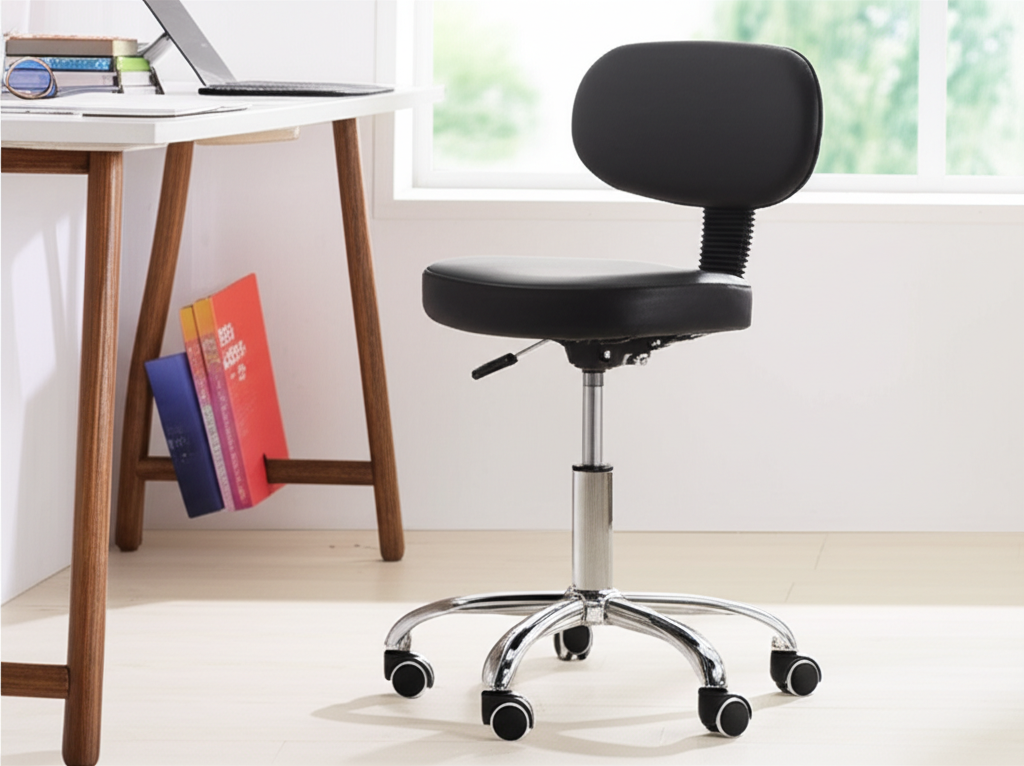
An adjustable rolling stool is a versatile seating option that can be easily moved and its height changed. This makes it perfect for classrooms where activities change often. It helps students and teachers stay comfortable and focused, no matter what they are doing.
Enhancing Mobility and Flexibility in Learning Spaces
Imagine a classroom buzzing with activity. Students might be working in small groups, then coming together for a whole-class discussion, and then moving to a different station for an art project. In such a dynamic setting, furniture that can keep up is key. An adjustable rolling stool allows students to easily reposition themselves without disrupting others. This boosts collaboration and makes it easier to manage different learning zones.
The ability to move freely supports different learning styles. Some students learn best when they can shift their weight or change their position. A rolling stool offers this freedom, which can lead to better engagement and reduced restlessness. It also helps teachers by making it simpler to supervise and assist students across the room.
Promoting Better Ergonomics and Comfort for All Users
Sitting for long periods can lead to discomfort and poor posture. An adjustable rolling stool is designed with ergonomics in mind. Its adjustable height allows users to find the perfect seating position relative to their desk or workspace. This ensures their feet are flat on the floor and their arms are at a comfortable angle for writing or using a device.
Good ergonomics are vital for both students and educators. For students, comfortable seating can improve focus and reduce the physical strain associated with learning. For teachers, who often spend long hours on their feet or at a desk, a supportive stool can alleviate back pain and fatigue. This leads to a more positive and productive school day for everyone involved.
Supporting Diverse Classroom Activities and Learning Styles
Classrooms are no longer just rows of desks. They are flexible spaces designed for various activities. Whether it’s a hands-on science lab, a reading corner, or a collaborative project table, the furniture needs to adapt. An adjustable rolling stool is a perfect fit for this multi-purpose environment.
These stools can be used at different heights for various tasks. They are great for science benches, art tables, or even for students who prefer to work at a standing desk but need an occasional break. The mobility means they can be easily moved out of the way when not needed, keeping the classroom tidy and organized. This adaptability makes the classroom a more inclusive space for all learners.
Key Features to Look for in a Classroom-Ready Adjustable Rolling Stool
When choosing an adjustable rolling stool for a classroom, consider specific features that ensure durability, safety, and ease of use. The classroom environment demands robust and practical solutions.
Durability and Material Quality for High-Traffic Use
Classrooms see a lot of action, so the stool must be built to last. Look for stools made from sturdy materials like heavy-duty steel for the base and frame. The seat material should also be durable and easy to clean, such as thick vinyl, molded plastic, or a tough fabric. These materials can withstand frequent use and accidental spills.
Consider the weight capacity of the stool. It should be able to support a range of users, from younger students to adults. High-quality casters are also important for smooth and quiet rolling. This prevents scuff marks on floors and minimizes distractions.
Ease of Height Adjustment and Locking Mechanisms
The “adjustable” part of the stool is crucial. The height adjustment mechanism should be simple and intuitive to operate. Many stools use a pneumatic lever system, which is quick and easy to use. This allows users to change the height smoothly while seated.
It’s also important that the height stays put once adjusted. A reliable locking mechanism prevents accidental drops or raises, ensuring safety. For younger children, a stool with a very simple adjustment system or one that can be easily supervised by an adult might be preferable.
Seat Comfort and Ergonomic Design Considerations
While simple, the seat itself should offer adequate comfort for extended periods. Padded seats are generally more comfortable than hard plastic. The shape of the seat can also play a role; a slightly contoured seat can provide better support.
Consider the backrest. Some adjustable rolling stools come with a small backrest, which can offer additional lumbar support. This is especially beneficial for older students or teachers who need more postural support. The overall design should encourage good posture without being overly restrictive.
Swivel Functionality and Caster Types
The ability to swivel 360 degrees is standard and essential for an adjustable rolling stool. This allows users to turn around easily to interact with different parts of the classroom or access materials without straining. It adds to the overall mobility and ease of use.
The casters, or wheels, are also very important. They should be designed for the type of flooring in the classroom. Some casters are better suited for carpet, while others work best on hard floors like linoleum or wood. Smooth-rolling, non-marking casters are ideal for most classroom settings to protect the floor and reduce noise.
Practical Applications of Adjustable Rolling Stools in Educational Settings
Adjustable rolling stools can transform various areas within a school, making learning more accessible and efficient. Their versatility extends beyond the traditional desk setup.
Supporting Science Labs and Art Studios
In science labs, students often need to lean over microscopes, work at experiment stations, or reach different heights. A rolling stool allows them to position themselves perfectly for detailed work. It can be easily rolled away when not in use, freeing up space.
Art studios benefit from stools that allow students to move around easels, work at tables, or get closer to their projects. The ability to adjust the height means students of different sizes can comfortably work on the same project. This promotes independence and allows for more hands-on learning experiences.
Enhancing Teacher Workstations and Reading Nooks
Teachers spend a lot of time at their desks, grading papers, preparing lessons, or interacting with students individually. An adjustable rolling stool can make this time more comfortable. It provides good support and allows for easy movement around the workstation.
Reading nooks or quiet zones in a classroom are also ideal spots for rolling stools. They offer a comfortable and flexible seating option for students who enjoy reading independently or in small groups. The stool can be easily moved to create different seating arrangements as needed.
Facilitating Differentiated Instruction and Small Group Work
Differentiated instruction often involves small group activities where students work on tasks tailored to their specific needs. Adjustable rolling stools make it easy to form these groups quickly and efficiently. Students can gather around a table or a specific learning station.
The mobility and adjustability of the stools allow for quick transitions between activities. Teachers can easily guide students to different stations or rearrange the seating to suit the lesson. This flexibility is key to managing a classroom that caters to diverse learning needs.
Comparing Adjustable Rolling Stools to Traditional Classroom Seating
Traditional classroom chairs and desks have been the norm for decades, but they often lack the flexibility that modern learning demands. Adjustable rolling stools offer a compelling alternative.
Stools vs. Fixed Chairs: Mobility and Adaptability
Fixed chairs are stationary, limiting students’ ability to move or change their position easily. This can lead to restlessness and reduced engagement, especially for younger learners. Adjustable rolling stools, on the other hand, offer complete freedom of movement.
They can be easily moved to form collaborative groups, adjusted for individual tasks, or tucked away when not needed. This adaptability is a significant advantage in classrooms that are increasingly designed for flexible learning. It allows for quick changes in layout to suit different lesson plans and activities.
Stools vs. Standard Desks: Ergonomic Benefits
Standard desks are often at a fixed height, which may not be ideal for all students or for various tasks. An adjustable rolling stool allows users to set their ideal seating height, promoting better posture and reducing strain. This is particularly important for students who may have different physical needs or for tasks requiring specific positioning.
The ability to get closer to a table or workbench with a rolling stool can also improve ergonomics for tasks like drawing, writing, or using a computer. This contrasts with standard desks where a student might have to hunch over or sit too far back.
Choosing the Right Adjustable Rolling Stool for Your Specific Classroom Needs
With various models available, selecting the best adjustable rolling stool requires careful consideration of your classroom’s unique environment and user requirements.
Factors Influencing Your Choice: Age, Space, and Budget
Consider the age of the students who will be using the stools. Younger children might need stools with simpler height adjustment mechanisms or lower maximum heights. For older students or shared teacher spaces, a wider range of adjustability and higher weight capacity might be necessary.
The available space in your classroom is also a factor. Stools that are compact and can be easily stored or stacked might be preferable in smaller rooms. Budget is always a consideration; while more expensive models may offer greater durability and features, there are many affordable options that can still meet classroom needs.
Safety Features to Prioritize in a School Environment
Safety is paramount in any educational setting. Look for stools with stable bases and non-slip casters to prevent accidents. Ensure the height adjustment mechanism is secure and does not pose a pinch hazard.
Rounded edges and durable, non-toxic materials are also important. If the stool will be used by very young children, consider models that have a lower minimum height and are designed with child safety in mind. Always check for certifications related to safety and durability for educational furniture.
Where to Find Quality Adjustable Rolling Stools for Educational Use
Many office supply stores and online retailers carry adjustable rolling stools. However, for classroom settings, it’s often best to look at suppliers specializing in educational furniture. These suppliers typically offer products that are designed for the rigors of a school environment and meet safety standards.
Consider brands known for their durability and ergonomic designs. Reading reviews from other educators or schools can also provide valuable insights into which models perform best in real-world classroom conditions.
Expert Insights: Maximizing the Benefits of Rolling Stools in Education
Educators and ergonomic experts agree that flexible furniture can significantly impact learning environments. Here’s what they emphasize.
> “When students can adjust their seating to fit the task, they become more engaged. It’s about giving them a sense of control over their learning space, which is incredibly powerful.” – Dr. Anya Sharma, Educational Psychologist
Dr. Sharma’s point highlights the psychological benefits of adjustable furniture. When students feel comfortable and have agency over their environment, their willingness to participate and learn increases. This is a key reason why the adjustable rolling stool is more than just a piece of furniture; it’s a tool for fostering active learning.
The Role of Mobility in Fostering Collaboration
A key benefit often cited by teachers is how easily rolling stools facilitate group work. Instead of having to physically move chairs, students can simply roll their stools to form collaborative circles or work pods. This quick transition saves valuable lesson time and encourages spontaneous interaction.
Reducing Physical Strain for Teachers and Students
Teachers, in particular, can benefit immensely from ergonomic seating. Spending hours at a desk or moving around the classroom can lead to back and leg fatigue. An adjustable rolling stool provides necessary support and allows for micro-adjustments throughout the day, reducing physical strain and improving overall well-being.
Maintenance and Care for Long-Term Classroom Use
To ensure your adjustable rolling stools last for many school years, proper maintenance is essential. This keeps them functioning well and looking good.
Simple Cleaning Tips for Stool Seats and Bases
Most stool seats can be cleaned with a damp cloth and mild soap. For vinyl or plastic seats, avoid harsh chemicals that could damage the material. Regularly wipe down the base and casters to remove dust and debris, which can affect their smooth operation.
Checking and Tightening Hardware Periodically
Over time, screws and bolts on furniture can loosen, especially with frequent use. Periodically check all hardware on the stool and tighten it as needed. This ensures the stool remains stable and safe for users.
Lubricating Casters for Smooth Movement
If the casters on your stools start to squeak or become difficult to roll, they may need lubrication. A small amount of silicone-based lubricant can help restore smooth movement. This not only makes the stools easier to use but also reduces noise in the classroom.
Frequently Asked Questions About Adjustable Rolling Stools for Classrooms
Here are answers to common questions about using adjustable rolling stools in educational settings.
Can adjustable rolling stools be used by very young children?
Yes, many models are suitable for younger children, especially those with a lower minimum height adjustment. Always ensure the child can safely reach the floor or a footrest and operate the stool independently or with supervision.
Are adjustable rolling stools safe for classroom floors?
Most modern rolling stools come with casters designed to be non-marking and safe for various floor types, including linoleum, wood, and tile. For very sensitive floors, consider models with softer rubber casters.
How much weight can a typical classroom rolling stool support?
Classroom-grade rolling stools typically have a weight capacity ranging from 200 to 300 pounds (about 90 to 135 kg). It’s always best to check the manufacturer’s specifications for the exact weight limit.
Is it better to have stools with or without a backrest?
This depends on the intended use and age of the users. Stools with backrests offer more support for longer sitting periods, which might be better for older students or teachers. Stools without backrests offer greater freedom of movement and are often preferred for younger children or for tasks that require constant repositioning.
How often should I check the height adjustment mechanism?
It’s a good practice to check the height adjustment mechanism periodically, perhaps at the beginning of each school year or semester. Ensure it locks securely at different heights and operates smoothly without sticking.
Conclusion: The Adjustable Rolling Stool – A Small Change for Big Classroom Impact
The adjustable rolling stool is more than just a quirky piece of furniture; it’s a smart investment in a more dynamic, comfortable, and effective learning environment. Its ability to enhance mobility, promote better ergonomics, and support a wide range of classroom activities makes it an essential upgrade. By choosing durable, safe, and user-friendly models, educators can transform their classrooms into spaces that better cater to the diverse needs of today’s students. This simple yet powerful tool empowers both learners and teachers, fostering engagement and improving the overall educational experience.
Consider integrating adjustable rolling stools into your classroom setup to experience these benefits firsthand. You might be surprised at how such a small addition can lead to significant improvements in comfort, flexibility, and student engagement.
