


Published on: September 2, 2025 | Updated on: September 2, 2025
Restore your cherished pieces to their former glory with this comprehensive guide on how to deep clean jewelry, ensuring every item shines with essential stunning sparkle.
Tired of dull, lifeless jewelry? Over time, oils, lotions, and everyday grime can build up, making even your most precious pieces look lackluster. It’s a common frustration for anyone who loves their adornments, but don’t worry! This guide will walk you through the best methods for how to deep clean jewelry, restoring that essential stunning sparkle safely and effectively. Get ready to rediscover the brilliance of your collection!
Why Deep Cleaning Your Jewelry Matters
Deep cleaning your jewelry is crucial for maintaining its beauty and longevity. Beyond just aesthetics, regular deep cleaning helps prevent the buildup of potentially damaging substances. It ensures your pieces look their absolute best, reflecting the care you put into your possessions.
Understanding Your Jewelry’s Materials
Before you grab any cleaning solution, it’s vital to understand what your jewelry is made of. Different metals and gemstones require vastly different cleaning approaches to avoid damage. Knowing your materials is the first step in safely restoring that essential stunning sparkle.
Precious Metals: Gold, Silver, and Platinum

Gold, silver, and platinum are popular choices for jewelry, but they can tarnish or dull with exposure to air and chemicals. Gold is relatively durable but can scratch, while silver is prone to tarnishing. Platinum is very strong but can also accumulate grime.
Gemstones: Diamonds, Emeralds, Sapphires, and More
Gemstones vary greatly in hardness and porosity, directly impacting how they should be cleaned. Diamonds are incredibly hard and can withstand most cleaning methods, but porous stones like pearls and opals require extreme gentleness. Always research specific gemstone care.
Other Materials: Pearls, Opals, Turquoise, and Enamel
These materials are more delicate and sensitive to chemicals, heat, and even ultrasonic cleaners. Pearls can be damaged by acidic cleaners, opals can lose their play-of-color, and turquoise and enamel can be porous or prone to chipping. Extreme caution is necessary for these items.
Essential Tools and Supplies for Deep Cleaning Jewelry
Gathering the right tools is key to a successful deep clean. Having the appropriate supplies on hand ensures you can tackle various types of jewelry with confidence. These items will help you achieve that essential stunning sparkle without causing harm.
Your Jewelry Cleaning Arsenal
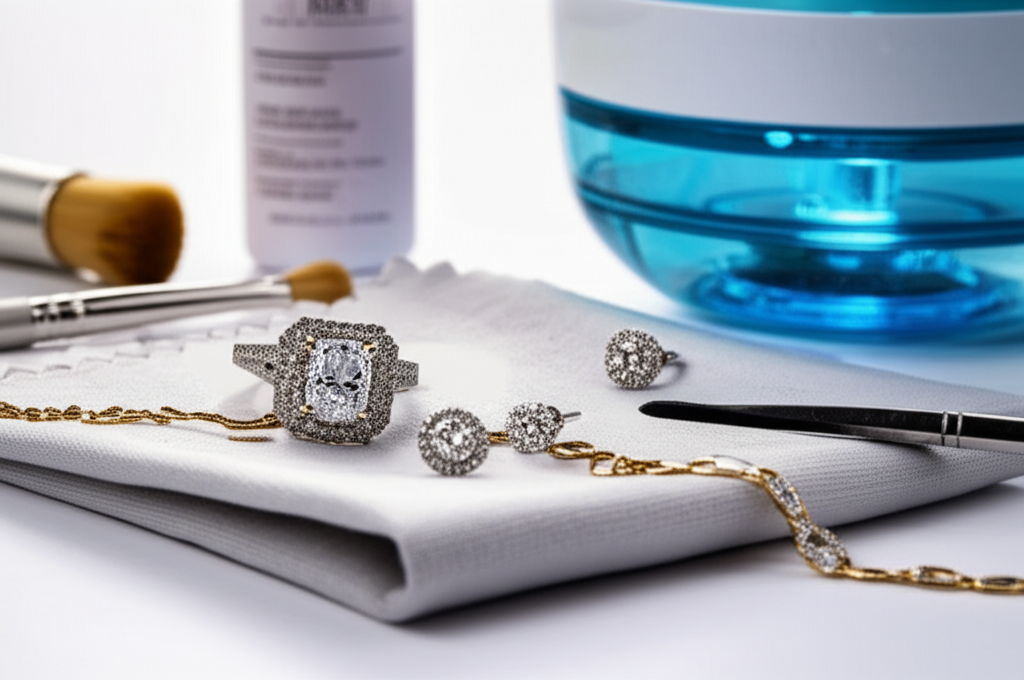
You’ll want a few basic items to get started. These include a soft-bristled brush (like a baby toothbrush or specialized jewelry brush), a lint-free cloth, mild dish soap, and a small bowl. For tougher jobs, you might consider ammonia-free glass cleaner or a specialized jewelry cleaning solution.
Specialized Cleaning Devices
For a truly deep clean, consider investing in a jewelry cleaning machine. Ultrasonic cleaners use sound waves to dislodge dirt, while steam cleaners offer a chemical-free way to sanitize and polish. These devices can be incredibly effective for hardier pieces.
Step-by-Step Guide: How to Deep Clean Jewelry at Home
Following a systematic approach ensures you clean each piece thoroughly and safely. This guide breaks down the process into manageable steps, making it easy to restore the essential stunning sparkle to your entire collection.
Step 1: Sort Your Jewelry by Material
This is a critical first step in how to deep clean jewelry. Separate your pieces based on metal type and gemstone. Never mix delicate items with robust ones, as a harsher cleaning method for one could damage another.
Step 2: Prepare Your Cleaning Solution
For most gold, platinum, and diamond jewelry, a simple solution of warm water and a few drops of mild dish soap works wonders. Avoid soaps with moisturizers or harsh chemicals. For silver, a dedicated silver cleaning solution or a paste of baking soda and water can be effective, but use with caution.
Step 3: Gentle Scrubbing with a Soft Brush
Dip your soft-bristled brush into the cleaning solution and gently scrub your jewelry. Pay close attention to intricate settings and crevices where dirt often accumulates. This step is essential for dislodging surface grime and restoring that essential stunning sparkle.
Step 4: Rinsing Thoroughly
Rinse each piece under cool, running water to remove all traces of soap or cleaning solution. Ensure no residue is left behind, as this can dull the finish or irritate sensitive skin.
Step 5: Drying and Polishing
Pat your jewelry dry with a soft, lint-free cloth. For extra shine, buff gently with a polishing cloth. Avoid paper towels, as they can scratch delicate metals. Properly drying is the final touch to achieving that essential stunning sparkle.
Advanced Deep Cleaning Techniques for Specific Items
While the basic method works for many pieces, some jewelry requires more specialized care. Knowing these advanced techniques will help you tackle challenging items and preserve their unique beauty.
Cleaning Silver Jewelry: Tackling Tarnish
Silver tarnishes due to a chemical reaction with sulfur in the air. To remove tarnish, you can use a silver polishing cloth, a dip solution, or a homemade paste of baking soda and water. Always rinse thoroughly and dry immediately to prevent further tarnishing.
Caring for Pearls and Opals: Extreme Gentleness Required
Pearls and opals are organic gemstones and require very gentle cleaning. Wipe them with a damp cloth and mild soap only if absolutely necessary, then rinse and dry immediately. Never soak them or use ultrasonic cleaners, as this can damage their luster and structure.
How to Deep Clean Costume Jewelry
Costume jewelry, often made from plated metals and faux stones, can be tricky. Use the mildest soap and water solution, and avoid harsh scrubbing. If the plating is worn, cleaning might expose base metals, so proceed with caution to maintain its appearance.
Deep Cleaning Jewelry with Ultrasonic Cleaners
Ultrasonic cleaners are powerful tools for achieving a deep clean, but they must be used correctly. Understanding their function and limitations is key to safely cleaning your jewelry.
How Ultrasonic Cleaners Work
These devices use high-frequency sound waves to create tiny bubbles in a cleaning solution. When these bubbles collapse, they generate small implosions that gently scrub away dirt and grime from even the most intricate pieces. This process is highly effective for removing stubborn build-up.
What to Clean and What to Avoid
Ultrasonic cleaners are excellent for gold, platinum, diamonds, and many durable gemstones. However, they should never be used on porous stones like pearls, opals, turquoise, emeralds, or on jewelry with glued-in stones, enamel, or significant damage. Always check manufacturer guidelines.
Using Jewelry Cleaning Machines: Steamers and More
Beyond ultrasonic cleaners, other specialized machines can help maintain your jewelry’s sparkle. Steam cleaners, for instance, offer a chemical-free way to sanitize and polish.
The Benefits of Steam Cleaning
Steam cleaners use pressurized hot steam to lift dirt and oils from jewelry surfaces. This method is effective for removing grime without the use of harsh chemicals, making it a good option for many types of jewelry. The heat can also help sanitize the pieces.
When to Use Specialized Machines
These machines are best reserved for jewelry that can withstand heat and pressure. They are ideal for everyday wear pieces that accumulate oils and skin cells. Always consult the machine’s manual and your jewelry’s care instructions before use.
Restoring Sparkle: Polishing Techniques
Polishing is the final step in the deep cleaning process, bringing out the inherent shine of your jewelry. Different materials require different polishing methods.
Using Polishing Cloths
Jewelry polishing cloths are impregnated with a mild cleaning agent and are excellent for buffing away light tarnish and restoring shine to metals like silver and gold. Use gentle, circular motions for the best results.
Professional Polishing Services
For severely tarnished or scratched pieces, professional polishing services may be the best option. Jewelers have specialized tools and expertise to restore even heavily damaged items, bringing back that essential stunning sparkle safely.
Common Mistakes to Avoid When Cleaning Jewelry
Even with the best intentions, some common mistakes can lead to damaged jewelry. Being aware of these pitfalls will help you protect your precious items.
Over-Scrubbing Delicate Items
Applying too much pressure with a brush can scratch or damage softer metals and gemstones. Always use a light touch, especially on pieces with intricate details or softer materials.
Using Harsh Chemicals
Ammonia, bleach, and abrasive cleaners can permanently damage many types of jewelry, from dissolving glue to dulling gemstones. Stick to mild, recommended cleaning solutions.
Not Rinsing Properly
Leaving cleaning solution residue on jewelry can cause discoloration or irritation. Always rinse thoroughly under cool water.
Ignoring Material-Specific Care
Cleaning a pearl necklace the same way you clean a diamond ring is a recipe for disaster. Always research and follow care instructions for each specific material.
Frequently Asked Questions About Deep Cleaning Jewelry
Here are some common questions beginners have about how to deep clean jewelry.
Can I use toothpaste to clean jewelry?
While toothpaste can be abrasive and remove some tarnish, it’s generally not recommended for jewelry. The fine abrasives can scratch softer metals and gemstones, dulling their finish over time. Stick to milder, specialized cleaning agents.
How often should I deep clean my jewelry?
The frequency depends on how often you wear your jewelry and the types of pieces. For everyday wear items, a gentle clean every few weeks and a deep clean every few months is usually sufficient. Fine jewelry worn less often may only need a deep clean annually.
Is it safe to use rubbing alcohol on jewelry?
Rubbing alcohol can be used cautiously on some jewelry, particularly to disinfect. However, it can damage certain gemstones like pearls and opals, and it can also affect some finishes or glues. It’s best to use it sparingly and only on sturdy, non-porous items.
What’s the best way to clean jewelry with stones?
For jewelry with stones, the cleaning method depends heavily on the gemstone type. For diamonds, a mild soap and water solution with a soft brush is ideal. For softer or porous stones like emeralds or pearls, only a gentle wipe with a damp cloth is recommended.
Can I use ultrasonic cleaners on my wedding ring?
If your wedding ring is made of gold or platinum with diamonds, an ultrasonic cleaner is generally safe and effective. However, if it contains other gemstones, porous stones, or has intricate settings where stones might be loose, it’s safer to avoid ultrasonic cleaners or consult a jeweler.
Conclusion: Keeping Your Jewelry Sparkling
Mastering how to deep clean jewelry is an essential skill for any jewelry owner. By understanding your materials, using the right tools, and following careful steps, you can ensure your cherished pieces maintain their brilliance and beauty for years to come. Regular, proper cleaning will not only restore that essential stunning sparkle but also preserve the integrity of your jewelry, keeping it a source of joy and pride.
Final Thoughts on Jewelry Care
Taking the time to deep clean your jewelry is a rewarding process. It’s not just about making things shiny; it’s about preserving the value and sentimental importance of your pieces. With this comprehensive guide, you’re well-equipped to give your jewelry the care it deserves, ensuring every item in your collection continues to dazzle.
