


Published on: September 7, 2025 | Updated on: September 7, 2025
Learn how to safely and effectively clean sterling silver jewelry with gemstones, preserving its shine and the integrity of your precious stones with this essential guide.
Sterling silver jewelry, especially pieces adorned with vibrant gemstones, holds a special place in many collections. Over time, however, these beautiful items can lose their luster due to tarnish and accumulated grime. Cleaning them requires a delicate touch to avoid damaging both the silver and the stones. This guide will walk you through the best methods and precautions, ensuring your cherished pieces sparkle like new.
Why Does Sterling Silver Tarnish and How Do Gemstones Affect Cleaning?
Tarnish on sterling silver is a natural chemical reaction, primarily with sulfur compounds in the air. This causes a dull, dark film to form on the surface. Gemstones introduce a crucial variable because they vary widely in their hardness, porosity, and sensitivity to chemicals and abrasions.
The Science Behind Sterling Silver Tarnish

Sterling silver is an alloy of 92.5% pure silver and 7.5% other metals, usually copper. While pure silver is too soft for most jewelry, the copper alloy provides durability. Unfortunately, this copper is also more susceptible to oxidation, leading to the familiar tarnish.
Understanding Gemstone Sensitivity
Different gemstones have vastly different properties that influence how they can be cleaned. Porous stones like pearls and opals can absorb cleaning solutions, leading to discoloration or damage. Softer stones like turquoise and coral can be easily scratched or eroded by abrasive cleaners or vigorous scrubbing.
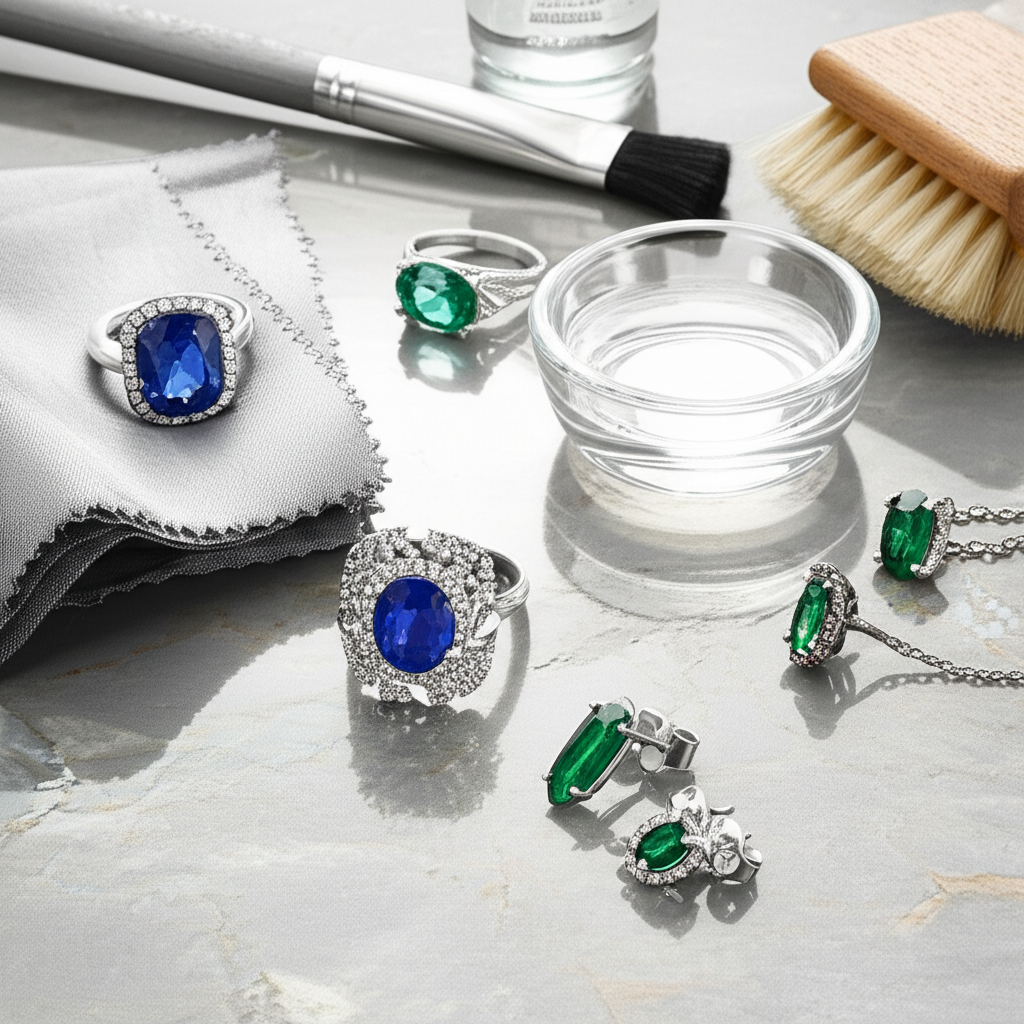
Essential Tools and Supplies for Cleaning Sterling Silver with Gemstones
Gathering the right supplies before you start is key to a successful and safe cleaning process. Having everything on hand prevents interruptions and ensures you’re prepared for various cleaning needs.
Your Cleaning Toolkit
You’ll need a few basic items that are gentle yet effective. These are commonly found around the house or are inexpensive to purchase.
Mild Dish Soap: A gentle, pH-neutral dish soap is excellent for removing everyday dirt and oils.
Soft Microfiber Cloths: These are essential for polishing and drying without scratching the silver or the stones.
Cotton Swabs: Perfect for reaching intricate details and around gemstone settings.
A Soft-Bristled Brush: A very soft toothbrush or a specialized jewelry brush can help lift dirt from crevices.
Distilled Water: Tap water can contain minerals that might leave spots or react with silver, so distilled water is preferred for rinsing.
A Small Bowl: For creating your cleaning solution.
What to Avoid: Harsh Chemicals and Abrasives
It’s crucial to steer clear of anything that could harm your jewelry. Harsh chemicals can etch, discolor, or degrade certain gemstones, while abrasive materials can scratch the silver and the stones.
Toothpaste: Contains abrasives that can scratch silver and damage softer gemstones.
Baking Soda: While a mild abrasive, it can be too harsh for many gemstones and can dull the finish of polished stones.
Ammonia and Chlorine Bleach: These are highly corrosive and can damage both silver and many types of gemstones.
Harsh Jewelry Cleaners: Many commercial silver polishes contain strong chemicals that are not suitable for jewelry with porous or delicate stones.
Paper Towels or Rough Cloths: These can leave lint or even micro-scratches on the polished surfaces.
Step-by-Step Guide: Gentle Cleaning for Sterling Silver and Gemstones
This method focuses on a gentle, water-based approach that is safe for most sterling silver jewelry with gemstones. Always start with the mildest method and only escalate if necessary, with extreme caution for sensitive stones.
Step 1: Pre-Cleaning Inspection
Before you begin, carefully inspect your jewelry. Check for any loose stones, cracks, or delicate settings. If you find any damage, it’s best to consult a professional jeweler before attempting any cleaning.
Step 2: Prepare Your Gentle Cleaning Solution
In a small bowl, mix a few drops of mild dish soap with warm, distilled water. Stir gently to create a mild, soapy solution. Avoid using hot water, as extreme temperature changes can sometimes affect certain gemstones.
Step 3: Wash the Jewelry
Submerge the sterling silver piece in the soapy water for a few minutes to loosen dirt and oils. For more durable stones, you can gently use a soft-bristled brush or a cotton swab dipped in the solution to clean around the settings and the gemstone itself. Be very gentle, especially around the edges of the stone.
Step 4: Rinse Thoroughly
Remove the jewelry from the soapy water and rinse it under cool, running distilled water. Ensure all soap residue is washed away, as leftover soap can dull the shine. Use a cotton swab to gently clean around the gemstone during rinsing if needed.
Step 5: Dry Carefully
Pat the jewelry dry immediately with a soft, lint-free microfiber cloth. Avoid air-drying, which can lead to water spots. Gently polish the silver parts with the cloth, being careful not to rub aggressively on the gemstones.
Step 6: Final Polish (for Silver Only)
Once completely dry, you can use a dry microfiber cloth to gently buff the sterling silver surfaces. This will help restore its shine. Again, avoid excessive pressure on or around the gemstones.
Special Considerations for Different Gemstone Types
Not all gemstones are created equal when it comes to cleaning. Understanding the properties of your specific stones is paramount to avoiding irreversible damage.
Hard and Durable Gemstones (e.g., Diamonds, Sapphires, Rubies)
These stones are generally quite resilient and can withstand more vigorous cleaning. They are less likely to scratch or absorb solutions.
Cleaning Method: The gentle soap and water method described above is usually sufficient. A soft toothbrush can be used more confidently to scrub away dirt from around these stones.
What to Avoid: While durable, they can still be chipped or damaged by harsh chemicals. Extremely high heat can also be problematic for some treated stones.
Soft or Porous Gemstones (e.g., Pearls, Opals, Turquoise, Coral)
These gemstones require the utmost care. They are easily scratched, can absorb liquids, and are sensitive to temperature changes and chemicals.
Cleaning Method: The absolute gentlest approach is best. A slightly damp microfiber cloth is often all that is needed. If a mild cleaning solution is necessary, use it sparingly on the cloth, not directly on the stone, and rinse immediately with a very slightly damp cloth.
What to Avoid: Never soak these stones. Avoid ultrasonic cleaners, steam cleaners, and any harsh chemicals or abrasives. Wipe them clean with a dry or barely damp cloth after wear to remove oils and dirt.
Emeralds and Other Oil-Treated Stones
Many emeralds are treated with oil or resin to fill in natural fissures and enhance their appearance. This treatment can be compromised by cleaning solutions.
Cleaning Method: Stick to a dry or very lightly damp microfiber cloth. Avoid soaking or using any cleaning solutions that might strip the oil.
What to Avoid: Ultrasonic cleaners and harsh chemicals are a definite no-go for oil-treated stones.
When to Use a Sterling Silver Polishing Cloth
A silver polishing cloth is impregnated with a mild cleaning agent and is designed to remove tarnish and restore shine. It’s a convenient tool for maintenance, but its use with gemstones needs careful consideration.
How to Use a Polishing Cloth Safely
When using a polishing cloth, focus the rubbing action on the silver surfaces only. Gently wipe around the gemstone settings, avoiding direct contact with the stone itself. The cloth’s cleaning agents can potentially harm certain gemstones or their treatments.
Limitations of Polishing Cloths
These cloths are best for light tarnish and regular upkeep. For heavily tarnished silver, they may not be sufficient, and for jewelry with delicate gemstones, they can pose a risk if used improperly. Always check the cloth’s instructions and your gemstone’s care requirements.
Professional Cleaning: When to Call the Experts
Sometimes, DIY cleaning isn’t enough, or the risk of damage is too high. In these situations, professional help is the best course of action.
Signs You Need a Jeweler
If your jewelry is heavily tarnished, has intricate designs, features very delicate or valuable gemstones, or if you’re unsure about the cleaning process, it’s time to seek professional advice. Jewelers have specialized tools and knowledge to clean your pieces safely.
Benefits of Professional Cleaning
Jewelers can expertly clean your sterling silver and gemstone jewelry using methods appropriate for each material. They can also inspect your jewelry for any signs of wear and tear, such as loose prongs or damaged settings, and perform necessary repairs. Many offer this service for free or a small fee.
Preventing Tarnish and Maintaining Your Sterling Silver Gemstone Jewelry
The best way to keep your jewelry looking its best is to prevent tarnish from forming in the first place. A few simple habits can make a big difference.
Proper Storage is Key
Store your sterling silver jewelry in a cool, dry place, away from direct sunlight and humidity. Anti-tarnish bags or pouches are excellent for this purpose. Ideally, store each piece separately to prevent scratching.
Minimize Exposure to Tarnishing Agents
Avoid exposing your jewelry to harsh chemicals, perfumes, hairsprays, lotions, and even sweat. Put your jewelry on after you’ve applied cosmetics and perfumes, and remove it before exercising or showering.
Regular Gentle Cleaning
Wipe your jewelry with a soft microfiber cloth after each wear to remove oils and dirt. This simple step significantly slows down the tarnishing process and keeps your pieces looking fresh.
Understanding Ultrasonic and Steam Cleaners
These professional cleaning methods can be very effective for certain types of jewelry, but they come with significant risks for pieces containing gemstones.
How Ultrasonic Cleaners Work
Ultrasonic cleaners use high-frequency sound waves in a cleaning solution to create tiny bubbles that dislodge dirt and grime. They are highly effective at removing stubborn residue from intricate designs.
Risks Associated with Ultrasonic Cleaners
While great for metal, ultrasonic cleaners can be detrimental to many gemstones. The vibrations can loosen stones in their settings, and the cleaning solution can damage porous or treated stones. They are generally not recommended for jewelry with emeralds, pearls, opals, turquoise, coral, or other delicate stones.
Steam Cleaners: Powerful but Risky
Steam cleaners use pressurized steam to blast away dirt. They are very effective at sanitizing and cleaning, but the high heat and pressure can cause thermal shock to gemstones, leading to cracks.
When to Use or Avoid These Methods
Ultrasonic and steam cleaners should only be used on jewelry with very hard, durable stones like diamonds, sapphires, or rubies, and even then, with caution. For most sterling silver jewelry with gemstones, it’s best to avoid these methods entirely and stick to gentler, manual cleaning techniques.
DIY vs. Professional Cleaning: Making the Right Choice
Deciding whether to tackle the cleaning yourself or take it to a professional involves assessing the value of your jewelry, the type of gemstones, and your comfort level with the process.
DIY Cleaning: Pros and Cons
Pros:
Cost-effective and convenient for everyday cleaning.
Allows for immediate attention to minor dirt.
Empowering for maintaining your own belongings.
Cons:
Risk of damage if done incorrectly, especially with delicate stones.
Limited effectiveness for heavy tarnish or intricate designs.
Requires careful research into gemstone care.
Professional Cleaning: Pros and Cons
Pros:
Safest option for valuable or delicate pieces.
Effective for heavy tarnish and deep cleaning.
Opportunity for inspection and repair.
Cons:
Can be more expensive.
Requires taking the jewelry to a jeweler.
May take time to get the jewelry back.
Ultimately, the choice depends on the specific piece and your confidence. For everyday wear and minor cleaning, DIY is often fine. For precious heirlooms or pieces with sensitive stones, professional cleaning is the wiser investment.
Troubleshooting Common Cleaning Issues
Even with the best intentions, you might encounter a few snags. Here are some common problems and how to address them.
Stubborn Tarnish That Won’t Budge
If the gentle soap and water method isn’t removing tarnish, and your gemstones are durable (like diamonds or sapphires), you might* consider a specialized silver polishing cloth, used very carefully on the silver only. For other gemstones, it’s time to consult a jeweler.
Residue Left Behind
Ensure you are rinsing thoroughly with distilled water. If soap residue remains, it can create a cloudy film. A gentle re-rinse with distilled water and immediate drying with a microfiber cloth should resolve this.
Dulling of Gemstones
This often happens if the wrong cleaning method or product was used, or if the stone is naturally porous. For opals or pearls that have dulled, a very gentle wipe with a slightly damp cloth and immediate drying is the only safe option. If the dullness persists, professional restoration might be possible but is not guaranteed.
Frequently Asked Questions (FAQ)
What is the safest way to clean sterling silver with gemstones?
The safest method involves using mild dish soap, warm distilled water, a soft microfiber cloth, and cotton swabs. Always start with the gentlest approach and avoid harsh chemicals or abrasive materials.
Can I use toothpaste to clean my sterling silver jewelry with gemstones?
No, toothpaste should be avoided. It contains abrasives that can scratch the silver and damage many types of gemstones.
How often should I clean my sterling silver jewelry with gemstones?
Clean your jewelry as needed, but a gentle wipe with a microfiber cloth after each wear helps prevent tarnish. A more thorough cleaning can be done every few months or when the jewelry appears dull or tarnished.
Are ultrasonic cleaners safe for jewelry with gemstones?
Ultrasonic cleaners are generally not safe for jewelry with most gemstones. The vibrations can loosen stones, and the cleaning solution can damage porous or treated stones.
What should I do if my gemstones look cloudy after cleaning?
If your gemstones appear cloudy, it might be due to leftover cleaning solution or damage to the stone’s surface. Ensure thorough rinsing and drying. If the cloudiness persists, consult a professional jeweler.
Can I use baking soda to clean sterling silver with gemstones?
It’s best to avoid baking soda. While it can be a mild abrasive, it can be too harsh for many gemstones and may dull polished stones.
Conclusion: Keeping Your Sterling Silver Gemstone Jewelry Sparkling
Caring for sterling silver jewelry that features gemstones is a rewarding process that keeps your treasured pieces looking their absolute best. By understanding the unique needs of both the silver and the specific gemstones in your jewelry, you can employ safe and effective cleaning methods. Always prioritize gentleness, starting with mild soap and water and progressing with extreme caution only if necessary. Remember that proper storage and regular, light maintenance are your best defenses against tarnish and damage. When in doubt, or for particularly valuable or delicate items, don’t hesitate to seek the expertise of a professional jeweler. With a little knowledge and care, your sterling silver and gemstone jewelry will continue to shine for years to come.
