


Published on: November 13, 2025 | Updated on: November 13, 2025
Best Ergonomic Office Chair for Sciatica: Ultimate Relief for Your Back
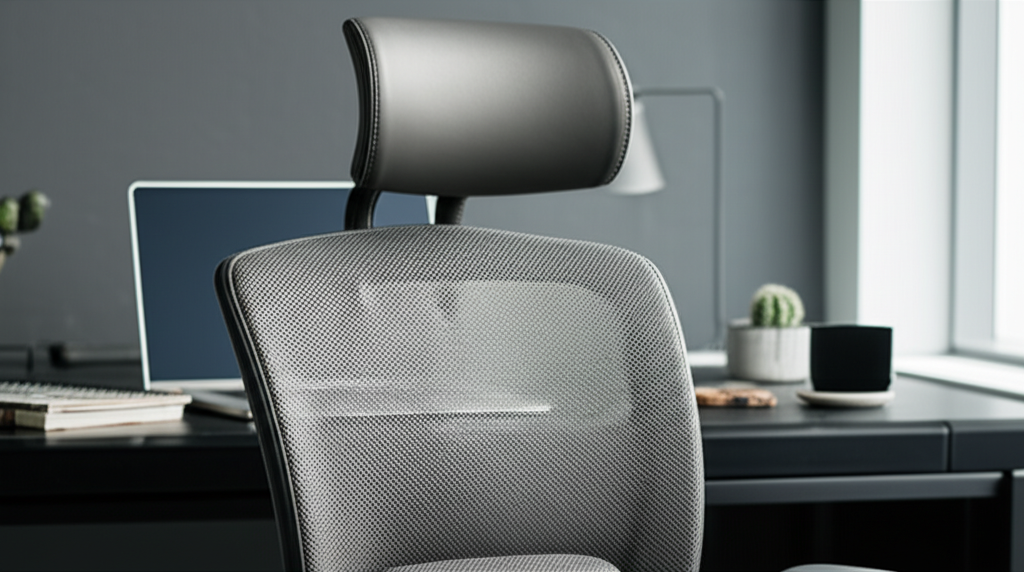
Finding the best ergonomic office chair for sciatica is crucial for reducing pain and improving your workday. This guide explores chairs with excellent lumbar support, adjustability, and features designed to alleviate nerve pressure, ensuring comfort and productivity for remote workers and anyone suffering from sciatic pain.
Sciatica pain can make even sitting for a few minutes feel like an eternity. It’s a common, yet incredibly disruptive, condition for anyone who spends a lot of time at a desk. The good news is that the right office chair can make a world of difference. We’ll explore what makes a chair great for sciatica and highlight some top choices.
Understanding Sciatica and Office Chairs
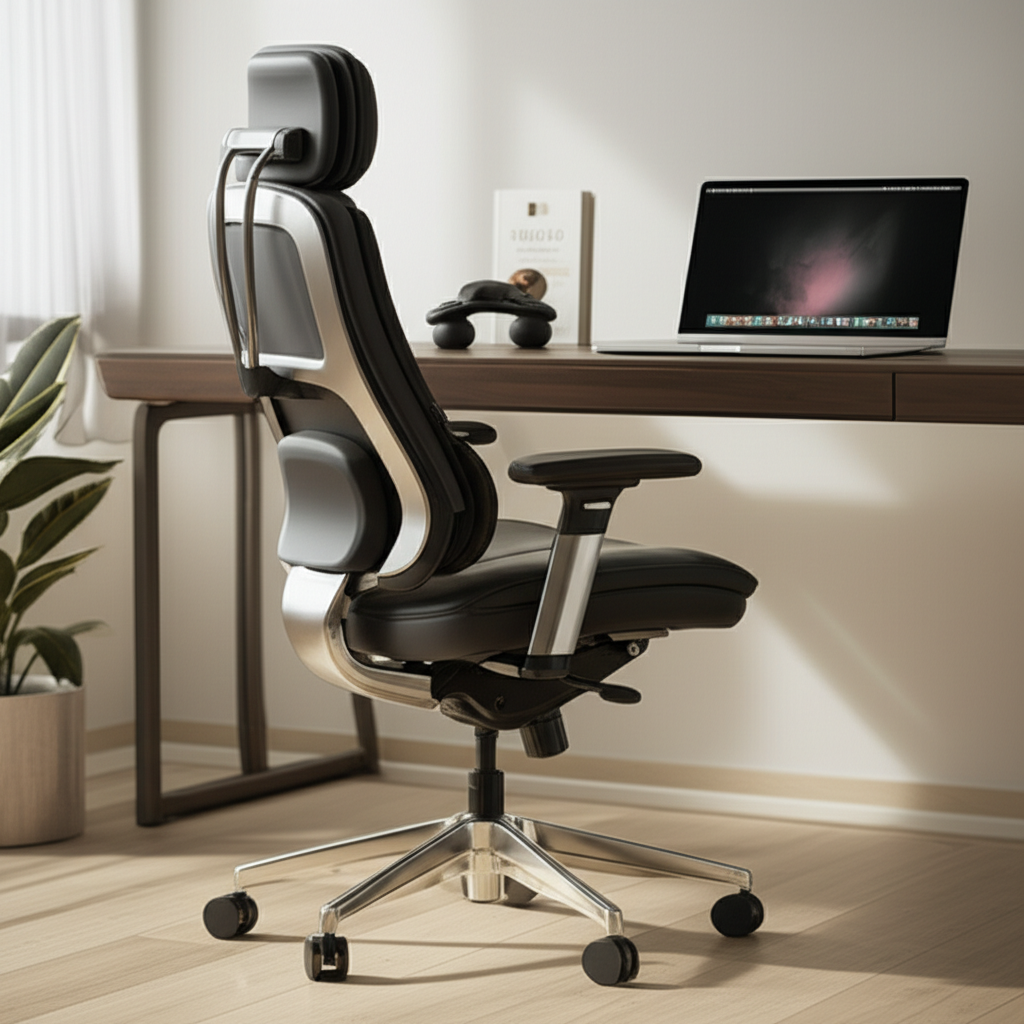
Sciatica is pain that radiates along the path of the sciatic nerve. This nerve branches from your lower back through your hips and buttocks and down each leg. Sitting for long periods can put pressure on this nerve, worsening the pain. An ergonomic office chair designed to support your spine’s natural curve is essential.
The best ergonomic office chair for sciatica aims to relieve pressure points. It promotes good posture and reduces strain on your lower back and hips. This guide will help you find a chair that offers superior support and comfort. We’ll look at features that directly address the causes of sciatica pain while sitting.
What Makes an Office Chair Good for Sciatica?
A chair that alleviates sciatic nerve pain needs specific features. It must support your lower back’s natural curve. It should also allow for adjustments to fit your body perfectly. This reduces pressure on the sciatic nerve and promotes better circulation.
Key features include excellent lumbar support, seat depth adjustment, and adequate cushioning. The ability to adjust armrests and tilt is also important. These elements work together to create a supportive and pain-reducing seating experience.
Lumbar Support is King
The most critical feature for sciatica sufferers is robust lumbar support. This part of the chair cradles the natural inward curve of your lower back. It prevents slouching, which can compress the sciatic nerve. Look for chairs with adjustable lumbar support, so you can position it perfectly for your spine.
Some chairs offer built-in, non-adjustable lumbar support. Others have external cushions or adjustable panels. The best options allow you to control both the height and depth of the lumbar curve. This personalized fit is vital for lasting relief from sciatica.
Seat Design and Cushioning
The seat of the chair plays a huge role. A waterfall edge, which slopes downward at the front, reduces pressure behind your knees. This improves blood flow and lessens nerve compression. The seat should also have enough padding to be comfortable but not so soft that you sink in, which can cause poor posture.
Seat depth adjustment is another crucial element. It allows you to set the seat so there’s a few inches between the back of your knees and the edge of the seat. This ensures proper leg support without cutting off circulation. A firm, supportive seat cushion is generally better than a very soft one for sciatica.
Adjustability for a Custom Fit
No two bodies are alike, and sciatica can affect people differently. Therefore, a highly adjustable chair is a must. Look for chairs that allow you to adjust seat height, seat depth, backrest angle, armrest height, and lumbar support. This level of customization ensures the chair fits you perfectly.
When you can fine-tune every aspect of your chair, you can create an environment that minimizes pressure on your sciatic nerve. Proper adjustment also encourages good posture, which is key to long-term back health. This prevents you from developing new aches and pains.
Material and Breathability
While not directly related to sciatica, the material of the chair can impact comfort. Breathable fabrics like mesh can prevent overheating and keep you more comfortable during long sitting periods. This can indirectly help by reducing fidgeting and promoting a more stable posture.
Leather and faux leather can be comfortable but may retain heat. Upholstered chairs offer a softer feel but might not be as durable or breathable. Consider your climate and personal preference when choosing a material. Ultimately, comfort contributes to sustained good posture.
Top Ergonomic Office Chairs for Sciatica Relief
We’ve scoured the market for chairs that excel in supporting sciatica sufferers. These selections prioritize lumbar support, adjustability, and overall comfort. Each chair is chosen for its ability to promote healthy posture and reduce nerve pressure.
Here are some of the best ergonomic office chairs that can offer significant relief from sciatica pain. They are designed with your well-being in mind, helping you work more comfortably and productively.
1. Herman Miller Aeron Chair
The Herman Miller Aeron is a legendary ergonomic chair, and for good reason. It features a unique PostureFit SL™ back support that cradles your spine’s natural S-shape. Its breathable Pellicle® mesh material distributes weight evenly, reducing pressure points and promoting airflow. The Aeron offers extensive adjustability for a truly personalized fit.
Why it’s great for sciatica: The PostureFit SL™ is exceptional for lower back support, directly targeting the area affected by sciatica. Its ergonomic design encourages healthy posture and minimizes discomfort. The mesh seat also prevents heat buildup, enhancing overall comfort during long work sessions.
Pros:
- Superior adjustable lumbar support (PostureFit SL™).
- Breathable mesh for excellent air circulation.
- Durable construction and long lifespan.
- Highly adjustable for a custom fit.
Cons:
- High price point.
- Some find the mesh seat too firm initially.
The Aeron chair is an investment in your health and comfort, offering unparalleled support for sciatica sufferers. Its design is a testament to ergonomic principles, making it a top contender for anyone seeking relief.
2. Steelcase Gesture
The Steelcase Gesture is engineered to support the way we work today, with constant device interaction. It offers an innovative armrest design that moves like a human arm, providing support in any position. Its core equalizer technology and adjustable lumbar support adapt to your spine’s natural curve.
Why it’s great for sciatica: The Gesture’s adaptable back and robust adjustable lumbar support are key. It allows for micro-adjustments to find the perfect posture. This helps to relieve pressure on the sciatic nerve by keeping your spine properly aligned. The seat also features a flexible edge to reduce pressure on your legs.
Pros:
- Highly adaptable and supportive armrests.
- Excellent adjustable lumbar support.
- Comfortable and breathable seat and back materials.
- Durable and built for long-term use.
Cons:
- Premium pricing.
- Can be complex to adjust initially.
This chair’s advanced features make it a strong choice for those who need a chair that can keep up with dynamic work styles while providing essential sciatica relief. Its focus on adaptable support is a significant benefit.
3. Branch Ergonomic Chair
The Branch Ergonomic Chair offers a balance of premium features and a more accessible price point. It boasts a contoured mesh back with adjustable lumbar support and a supportive, padded seat. Its adjustability includes seat height, depth, tilt, and armrests, making it a versatile option for many users.
Why it’s great for sciatica: The adjustable lumbar support is effective at providing crucial lower back cushioning. The seat depth and height adjustments allow for a tailored fit, which is essential for reducing sciatic nerve pressure. Its comfortable padding also adds to the pain-relieving experience.
Pros:
- Excellent value for the features offered.
- Good adjustable lumbar support.
- Comfortable seat and breathable mesh back.
- Solid build quality.
Cons:
- Lumbar support might not be as robust as premium brands.
- Fewer advanced customization options compared to top-tier chairs.
For those seeking effective sciatica relief without breaking the bank, the Branch Ergonomic Chair is a compelling option. It delivers on key ergonomic principles at a competitive price.
4. ErgoChair Plus (Autonomous)
The ErgoChair Plus by Autonomous is designed for comfort and support throughout the day. It features a unique design with a flexible, segmented backrest that moves with you. It includes adjustable lumbar support and a comfortable seat made from breathable mesh. This chair aims to provide a holistic approach to ergonomic seating.
Why it’s great for sciatica: The segmented backrest and adjustable lumbar support work together to provide targeted relief. It encourages natural spinal alignment and reduces strain. The breathable mesh keeps you cool, further enhancing comfort during long sitting periods, which is vital for sciatica sufferers.
Pros:
- Ergonomic design that promotes movement.
- Adjustable lumbar support included.
- Breathable mesh construction.
- Moderately priced for its features.
Cons:
- Some users find the seat less plush than other options.
- Armrest adjustability could be more comprehensive.
The ErgoChair Plus offers a dynamic approach to ergonomic support. Its design is well-suited to alleviate the discomfort associated with sciatica by promoting a healthy sitting posture.
5. Hon Ignition 2.0 Mesh Task Chair
The Hon Ignition 2.0 is a popular choice for its combination of adjustability and affordability. It features adjustable lumbar support, seat height, and tilt tension. The mesh back provides breathability, and the seat offers comfortable padding. It’s a solid, no-frills ergonomic chair.
Why it’s great for sciatica: The adjustable lumbar support is a key benefit for sciatica sufferers. It helps maintain the natural curve of the lower back. The seat height and depth adjustments allow users to achieve a proper seating position, reducing pressure on the sciatic nerve.
Pros:
- Very affordable for an ergonomic chair.
- Good adjustable lumbar support.
- Breathable mesh back.
- Easy to assemble and use.
Cons:
- Build quality is good but not premium.
- Less advanced adjustability than higher-end models.
This chair proves that effective sciatica relief doesn’t always require a huge budget. It provides essential ergonomic features at a price point many can afford.
Key Features to Look for When Buying
When you’re dealing with sciatica, choosing an office chair is more than just picking a comfortable seat. It’s about selecting a tool that actively supports your recovery and prevents further irritation. Every feature should be considered with your pain in mind.
Here’s a breakdown of the essential features that will make the biggest difference for your sciatica. Focusing on these will help you make an informed decision.
Adjustable Lumbar Support: The Non-Negotiable
This cannot be stressed enough. Your lumbar support needs to be adjustable in both height and depth. This allows you to push into the curve of your lower back, providing crucial support to the lumbar spine. Without this, you’re likely to slouch, increasing pressure on the sciatic nerve.
Look for chairs with a dial or lever that lets you move the support up and down. Some also have a knob to adjust how far the support protrudes. This personalized fit is critical for targeted pain relief.
Seat Depth and Height Adjustment
Proper seat depth ensures your thighs are supported without putting pressure on the back of your knees. You should be able to fit two to three fingers between the edge of the seat and the back of your knees. This prevents circulation issues and nerve impingement.
Seat height adjustment allows you to position your feet flat on the floor. Your knees should be at about a 90-degree angle. This alignment is fundamental for overall posture and reducing stress on your back and hips.
Recline and Tilt Lock Features
The ability to recline slightly can take pressure off your spine. Many ergonomic chairs offer a synchro-tilt mechanism, where the backrest reclines at a greater ratio than the seat. This helps maintain a proper spinal angle. A tilt lock allows you to secure your preferred recline position.
Finding a comfortable recline angle can significantly alleviate sciatic pain. It allows you to shift your weight and change pressure points. This dynamic seating is better than remaining rigidly in one position.
Armrest Adjustability
Adjustable armrests are important for supporting your arms and shoulders. They help reduce strain on your neck and upper back, which can indirectly affect your lower back. Ideally, armrests should be adjustable in height, width, and pivot.
When your arms are properly supported, your shoulders can relax. This leads to better overall posture and can reduce tension that might radiate down your back. Properly positioned armrests prevent you from leaning awkwardly. Mayo Clinic’s guide on sciatica highlights how posture impacts nerve pain.
Cushioning and Material
While firm support is key, adequate cushioning is also necessary for comfort. The seat should be padded enough to prevent discomfort from prolonged sitting but firm enough to avoid sinking too deeply. A seat with a waterfall edge is highly recommended.
Breathable materials like mesh are often preferred, especially in warmer climates. They help with air circulation, keeping you cool and comfortable. This can prevent you from shifting uncomfortably, which might aggravate your sciatica.
When to Consider a Specialized Chair
If your sciatica is severe or persistent, a standard ergonomic chair might not be enough. You may need to look at chairs specifically designed for significant back pain or spinal conditions. These often offer more advanced support systems.
Some chairs include built-in massage features or heat therapy, which can be beneficial for muscle relaxation. Others might have specialized contours to promote better spinal alignment. Consulting with a healthcare professional or a physical therapist can provide personalized recommendations.
Maintaining Good Posture While Sitting
Even the best ergonomic office chair for sciatica needs your help. You must consciously maintain good posture. This means sitting up straight, with your shoulders relaxed and your feet flat on the floor. Regularly check your posture throughout the day.
Taking frequent breaks is also crucial. Stand up, stretch, and walk around every 30-60 minutes. This simple habit can significantly reduce pressure on your sciatic nerve and prevent stiffness. Movement is medicine for sciatica.
The Importance of Regular Breaks
Sitting for extended periods is a primary aggravator of sciatica. No matter how supportive your chair is, prolonged static posture will eventually cause discomfort. Short, frequent breaks are essential for relief and overall well-being.
Aim to stand up and move for at least a minute or two every hour. This could involve a short walk, some simple stretches, or just standing at your desk. These mini-breaks help to decompress the spine and improve blood flow to the lower back.
Stretches to Do at Your Desk
Incorporating simple stretches into your workday can make a big difference. These can be done while seated or standing. They help to relieve tension in the hips, glutes, and lower back, areas often affected by sciatica.
- Seated Spinal Twist: Sit tall, cross one leg over the other, and gently twist your torso towards the crossed leg.
- Knee-to-Chest Stretch (seated): Gently pull one knee towards your chest, holding for a few seconds. Repeat on the other side.
- Piriformis Stretch (seated): Place one ankle on the opposite knee and gently lean forward.
These stretches can be performed during your short breaks to alleviate pressure and improve flexibility. Always listen to your body and avoid any movements that increase pain. You can find many more helpful stretches on resources like NHS’s back pain exercises.
Frequently Asked Questions (FAQs)
Here are answers to common questions about choosing an office chair for sciatica.
What is the most important feature in an office chair for sciatica?
The most crucial feature is adjustable lumbar support. It needs to fit the natural curve of your lower back to prevent slouching and relieve pressure on the sciatic nerve.
Can a regular office chair be adjusted for sciatica?
A regular chair might offer some relief if it has adjustable lumbar support and can be positioned correctly. However, chairs specifically designed with advanced ergonomic features for sciatica will likely provide better and more consistent relief.
How much should I expect to spend on a good chair for sciatica?
You can find decent chairs for around $200-$400, but for superior support and durability, expect to invest $500-$1000 or more. Premium chairs like Herman Miller or Steelcase can cost upwards of $1000.
Is a mesh chair better than a padded chair for sciatica?
Mesh chairs offer excellent breathability and support by distributing weight evenly. Padded chairs can be comfortable but may lack the firm support needed for sciatica if the padding is too soft. The key is finding a chair with adequate, firm support, regardless of material.
How often should I get up from my chair if I have sciatica?
You should aim to get up and move for at least 1-2 minutes every 30-60 minutes. Regular movement is vital for decompressing the spine and reducing pressure on the sciatic nerve.
Are standing desks helpful for sciatica?
Yes, standing desks can be very helpful. Alternating between sitting and standing throughout the day can significantly reduce the static load on your lower back and sciatic nerve. It’s important to use a standing desk with a supportive ergonomic chair for your sitting periods.
Conclusion: Invest in Your Comfort and Health
Finding the best ergonomic office chair for sciatica is an investment in your health and productivity. By prioritizing adjustable lumbar support, proper seat dimensions, and overall adjustability, you can significantly reduce pain and improve your workday experience. Remember that even the best chair requires mindful posture and regular breaks.
Consider the options discussed, focusing on the features most critical for your specific needs. Your spine and your well-being will thank you for making an informed choice. Explore chairs that offer the right blend of support, comfort, and adjustability to find your ultimate relief.
