


Published on: October 1, 2025 | Updated on: October 1, 2025
Cardboard inserts for mailing envelopes are crucial for safeguarding delicate items, ensuring they arrive at their destination intact. This guide covers why they’re essential, how to choose and use them, and tips for secure packaging, preventing damage during transit.
You know that sinking feeling when you mail something important, only to hear back that it arrived damaged? It’s a common problem, especially when sending out items that aren’t inherently robust. Whether you’re a small business owner shipping handmade crafts, an online seller sending out delicate detector accessories, or just mailing a treasured photograph, the journey through the postal system can be rough. That’s where simple, yet effective, cardboard inserts for mailing envelopes come into play. They’re the unsung heroes of secure shipping, providing that vital layer of protection. Don’t worry, we’ll walk through everything you need to know to ensure your items arrive just as you sent them.
Why Cardboard Inserts Are Your Mailing Best Friend
When you’re shipping anything through the mail, it’s going to get jostled, stacked, and potentially bent. Think about the journey your envelope takes – it’s loaded onto trucks, sorted by machines, and tossed around. Without reinforcement, even a sturdy envelope can’t protect what’s inside from significant pressure or impact. Cardboard inserts add rigidity, preventing the envelope from flexing and the contents from being crushed or punctured.
This simple addition acts as a shield, absorbing some of the shock and stress of transit. It’s a small step that makes a massive difference in the condition of your mailed items. For anyone selling or sending items that have any fragility, it’s a non-negotiable part of the packaging process.
The Risks of Skipping Cardboard Inserts

Mailing without proper support is like going treasure hunting without a pinpointer – you’re setting yourself up for disappointment. The risks are substantial: damaged goods, unhappy recipients, negative reviews, and increased costs from replacements or returns. For businesses, this can directly impact your bottom line and reputation.
A broken item doesn’t just represent a lost sale; it can erode customer trust. For hobbyists, it means a cherished relic or a carefully crafted accessory arriving in pieces. It’s a preventable frustration that good packaging can easily solve.
Understanding Cardboard Inserts: What Are They?
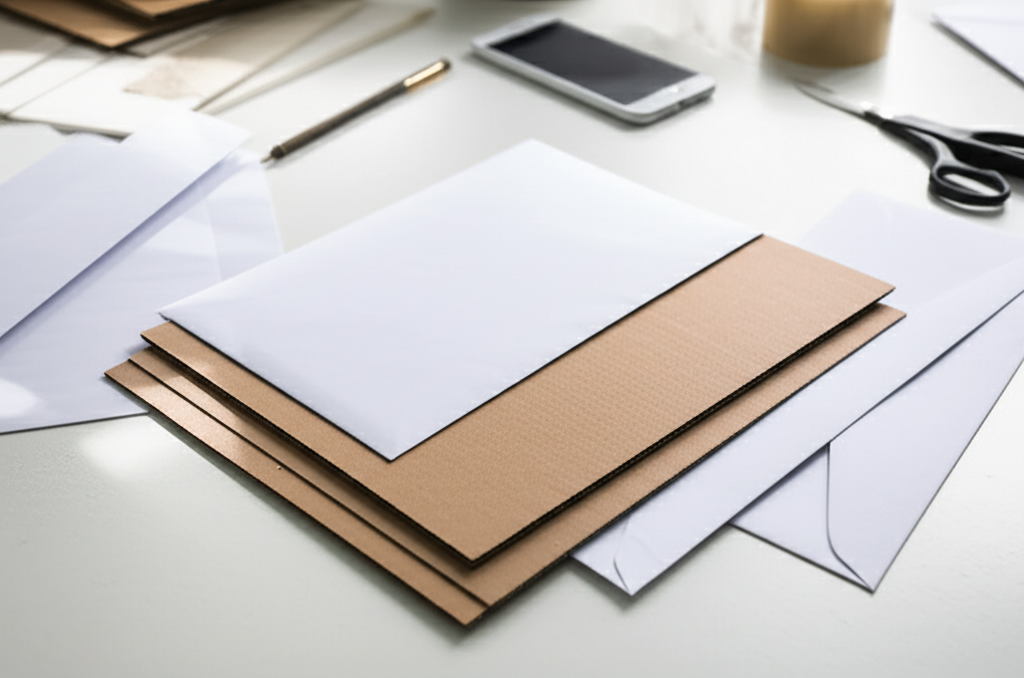
Cardboard inserts, also known as stiffeners or mailers, are flat pieces of cardboard designed to be placed inside an envelope or mailer. They provide rigidity and prevent bending, creasing, or crushing of the contents. They come in various sizes, thicknesses, and types, catering to different mailing needs and item shapes.
Their primary function is to create a flat, unyielding surface that protects whatever is placed between them or against them. This simple engineering makes them incredibly effective for their purpose. They are the backbone of secure, flat-rate shipping for smaller items.
Types of Cardboard Used for Inserts
The cardboard itself can vary, impacting its protective qualities. Corrugated cardboard, the kind used for shipping boxes, offers excellent strength due to its wavy inner layer. Chipboard, a denser, smoother form of paperboard, is also common and provides good stiffness for less demanding applications.
Corrugated Cardboard: Offers superior strength and cushioning, ideal for heavier or more fragile items. Its layered structure provides better impact resistance.
Chipboard (Paperboard): More rigid than standard paper but less so than corrugated. It’s a good choice for photos, documents, and thinner items.
Recycled Cardboard: An eco-friendly option that still provides adequate protection for many items. Quality can vary, so check for stiffness.
Choosing the right type depends on the weight and fragility of what you’re sending. For most mailing envelope needs, a sturdy chipboard or lightweight corrugated insert will suffice.
When Are Cardboard Inserts Absolutely Necessary?
If you can easily bend or fold what you’re mailing, you need cardboard inserts. This includes items like photographs, prints, business cards, single sheets of paper, small electronic components, and delicate detector accessories like screen protectors or small coils. Even items that seem sturdy can be surprisingly vulnerable when subjected to the rigors of the postal system.
Think of it this way: if you wouldn’t mail it without an extra layer of support, then you need cardboard inserts. It’s about proactively preventing damage rather than reacting to it after the fact.
Specific Items That Benefit Most
Here’s a quick rundown of items that absolutely require cardboard inserts for mailing:
Photographs and Art Prints: To prevent creases and damage to the image surface.
Certificates and Diplomas: To keep them looking pristine and professional.
Business Cards and Flyers: To ensure they arrive in crisp condition.
Small Electronic Components: Like USB drives, SD cards, or small detector parts.
Jewelry and Small Collectibles: To add rigidity to their packaging.
Greeting Cards and Invitations: To maintain their intended presentation.
Any item that is thin and can be easily bent or creased.
These items, when sent in standard envelopes, are prime candidates for damage without added stiffness.
Choosing the Right Cardboard Inserts
Selecting the perfect cardboard inserts involves considering size, thickness, and quantity. You want inserts that are slightly smaller than your envelope to ensure a snug fit without bunching up. The thickness should be sufficient to provide rigidity without making your mail piece too bulky or heavy, which could affect postage costs.
Measure your envelope and the item you’re mailing. This will help you determine the ideal dimensions for your inserts. It’s better to have an insert that is a little too small than one that is too large and causes the envelope to bulge awkwardly.
Size Matters: Matching Inserts to Envelopes
For standard mailing envelopes (like A7, A9, or #10 business envelopes), you’ll typically find inserts pre-cut or readily available. For custom-sized mailings, you might need to cut your own. Always aim for an insert that spans the full length and width of the item you are protecting, and ideally, fills most of the envelope’s interior space to prevent shifting.
For example, if you’re mailing an 8×10 inch photograph in a 9×12 inch rigid mailer, you’d want an insert that’s very close to 9×12 inches. If you’re using a standard #10 envelope for a business card, a 3.5 x 2 inch insert might be too small; you’d likely want a larger insert that fills more of the envelope to prevent the card from flexing.
Thickness and Rigidity: How Much Protection Do You Need?
The thickness, often measured in points (pt) or mils, dictates how stiff the cardboard is. For lightweight items like photos or business cards, a 24pt or 30pt chipboard insert is usually sufficient. For more delicate or slightly heavier items, or if your envelope is less rigid, you might opt for thicker chipboard or even lightweight corrugated cardboard.
24pt Chipboard: Good for photos, documents, and cards.
30pt Chipboard: Offers a bit more rigidity for slightly more sensitive items.
Lightweight Corrugated: Provides excellent stiffness and some cushioning, suitable for small electronic parts or multiple items.
Consider the weight of your mailing. Excessively thick or heavy inserts can push your mail into a higher postage bracket, increasing costs unnecessarily.
How to Properly Use Cardboard Inserts
Using cardboard inserts is straightforward. The key is to position them correctly to maximize their protective benefit. Typically, you’ll place one insert on each side of the item you’re mailing, creating a sandwich effect. This ensures the item is fully encased in a rigid structure.
Ensure the inserts are smooth and free of any sharp edges or protruding staples that could damage your item. If you’re cutting your own, always aim for clean, straight edges.
The Sandwich Method: Best Practice
The most effective way to use cardboard inserts is by creating a “sandwich.” Place one insert flat, lay your item on top of it, and then place a second insert on top of your item. This fully encases the item between two rigid surfaces.
1. Lay down the first cardboard insert.
2. Place your item(s) centered on the first insert.
3. Place the second cardboard insert directly on top of your item.
4. Carefully slide this “sandwich” into your mailing envelope.
5. Seal the envelope securely.
This method provides balanced protection from both sides, preventing any single point of pressure from causing damage.
Alternative: Single Insert for Light Protection
For items that are already somewhat rigid, like a single sturdy document or a card that just needs a little extra stiffness, a single cardboard insert placed behind the item can be sufficient. This is a good option when you want to minimize bulk and postage costs.
However, for most sensitive items, the sandwich method offers superior protection and is generally recommended. It’s a small effort for significant peace of mind.
The Role of Cardboard Inserts in Different Niches
In the world of metal detecting, treasure hunting, and prospecting, delicate equipment and valuable finds need robust protection. Think about shipping a newly found coin, a fragile relic fragment, or even a specialized metal detector coil. These aren’t items you want arriving damaged. Cardboard inserts become essential packaging components.
When I’m sending out newly acquired detector accessories or even a rare coin I’ve unearthed, I never skip the cardboard stiffeners. They’ve saved me more than once from hearing about damaged goods.
Protecting Detector Accessories and Finds
For detectorists, shipping small accessories like pinpointers, headphones, or even replacement coils requires careful packaging. A pinpointer, for example, might have sensitive electronics or a delicate tip that could be damaged if bent. Similarly, a delicate relic fragment needs to be handled with extreme care.
Using cardboard inserts within padded envelopes or small boxes ensures these items are protected from crushing and impact. This is crucial for maintaining the value and functionality of both equipment and historical finds. For those selling their finds or gear online, this is paramount for customer satisfaction and repeat business.
Mailing Delicate Collectibles and Coins
Collectors and prospectors often mail valuable or delicate items. Coins, especially older or rarer ones, can be easily scratched or damaged. Relics, which might be made of brittle materials like pottery or bone, require even more careful handling.
Cardboard inserts, combined with appropriate padding and secure envelopes or boxes, create a robust barrier. This ensures that a valuable coin or a significant historical relic arrives safely in the hands of its new owner or curator. It’s about preserving the integrity of the find.
Beyond Cardboard: Enhancing Your Mailing Protection
While cardboard inserts are foundational, they work best as part of a comprehensive packaging strategy. For added security, consider combining them with other materials. Padded envelopes offer cushioning, while bubble wrap can provide an extra layer of shock absorption around your item before it’s placed with the cardboard stiffeners.
Think of cardboard inserts as the rigid structure, and other materials as the shock absorbers and padding. Together, they create a formidable defense against shipping damage.
Using Padded Envelopes and Bubble Mailers
Padded envelopes and bubble mailers are excellent choices for mailing items that benefit from cardboard inserts. The internal padding provides cushioning against impacts, while the cardboard insert prevents the item from bending within the padded envelope. This combination is particularly effective for photos, documents, and small, flat items.
The key is to ensure the cardboard insert fits snugly within the padded envelope, preventing the item from shifting too much. A loose item can still sustain damage, even with padding.
Sealing and Labeling for Secure Transit
Proper sealing is just as important as the protective materials. Use strong packing tape to seal all edges of the envelope, especially the flap. This prevents the envelope from opening accidentally during transit. Clearly label your package with the recipient’s address and your return address.
Consider using tamper-evident tape if you’re mailing particularly valuable items. This provides an extra layer of security and lets the recipient know if the package has been opened during transit. For international shipments, ensure all customs declarations are accurate and clearly attached.
Cost-Effectiveness and Environmental Considerations
Cardboard inserts are a remarkably cost-effective way to protect your mail. The price of a few cardboard stiffeners is minimal compared to the cost of replacing a damaged item or dealing with a dissatisfied customer. They are a small investment with a high return in terms of damage prevention.
Furthermore, many cardboard inserts are made from recycled materials and are themselves recyclable. This makes them an environmentally friendly packaging choice. Look for suppliers who emphasize sustainable practices in their cardboard products.
The ROI of Secure Packaging
The return on investment (ROI) for using cardboard inserts is undeniable. Consider the potential costs:
Cost of the item: Often far greater than the cost of packaging.
Shipping costs: You might have to pay for return shipping and reshipment.
Customer dissatisfaction: Leading to lost future business and negative reviews.
* Your time: Dealing with claims and replacements.
Investing a few cents in cardboard inserts can prevent hundreds or even thousands of dollars in losses and reputational damage.
Eco-Friendly Packaging Options
Many manufacturers offer cardboard inserts made from post-consumer recycled content. These are a great choice for environmentally conscious businesses and individuals. When you’re done with them, they can often be recycled again, closing the loop.
Look for certifications like FSC (Forest Stewardship Council) on packaging products to ensure they come from responsibly managed forests. Choosing sustainable packaging options aligns your brand with environmental values, which is increasingly important to consumers.
Where to Buy Cardboard Inserts for Mailing Envelopes
You can find cardboard inserts for mailing envelopes at various retail and online stores. Office supply stores, shipping supply companies, and large online marketplaces are excellent sources. Buying in bulk can often lead to significant cost savings, especially if you mail frequently.
When purchasing, pay attention to the dimensions and thickness to ensure they meet your specific needs. Many suppliers offer a range of sizes, from small business card inserts to larger photo or document stiffeners.
Online Retailers and Specialty Suppliers
Online retailers like Amazon, Uline, and dedicated shipping supply websites offer a wide selection of cardboard inserts. These platforms often provide detailed product specifications, customer reviews, and bulk pricing options. Searching for terms like “cardboard stiffeners,” “mailer inserts,” or “rigid mailer inserts” will yield numerous results.
For specialized needs, such as custom sizes or specific cardboard types, reaching out to packaging manufacturers directly can be beneficial. They might offer custom cutting services or have a broader range of stock options.
Local Office Supply and Shipping Stores
Local office supply stores, such as Staples or Office Depot, often carry basic cardboard inserts in standard sizes. Shipping stores, like The UPS Store or FedEx Office, may also sell packaging supplies, including stiffeners, though prices might be higher due to convenience.
Visiting these stores allows you to physically inspect the product before buying, checking the thickness and rigidity. This can be helpful if you’re unsure about what you need.
Frequently Asked Questions About Cardboard Inserts
Q1: Can I reuse cardboard inserts?
A1: Yes, if they are still in good condition without tears or excessive bending, you can certainly reuse cardboard inserts. This is a great way to save money and be more eco-friendly. Just ensure they are clean and rigid enough to offer adequate protection.
Q2: What is the difference between chipboard and corrugated cardboard for inserts?
A2: Chipboard is a dense, solid paperboard that is stiff and smooth, good for preventing creasing. Corrugated cardboard has a wavy layer between flat sheets, providing more strength and cushioning against impacts, making it ideal for heavier or more fragile items.
Q3: How thick should my cardboard inserts be?
A3: The required thickness depends on the item being mailed and the envelope used. For photos and documents, 24pt to 30pt chipboard is usually sufficient. For more delicate items or less rigid envelopes, consider thicker chipboard or lightweight corrugated.
Q4: Do I need cardboard inserts if I’m using a padded envelope?
A4: While padded envelopes offer cushioning, they don’t prevent bending or creasing. For items like photos, cards, or electronics, using cardboard inserts inside a padded envelope provides the best protection against both impact and deformation.
Q5: Can I cut my own cardboard inserts?
A5: Absolutely. If you have a large piece of cardboard (like from a shipping box), you can easily cut it to size using a utility knife and a ruler. Ensure your cuts are straight and the cardboard is rigid enough.
Q6: Will cardboard inserts add significant weight to my mail?
A6: Cardboard inserts add a small amount of weight, but typically not enough to push your mail into a higher postage category unless you are using very thick or multiple inserts for a lightweight item. Always weigh your packaged item to be sure.
Conclusion: The Unseen Guardian of Your Mail
In the grand scheme of mailing, the humble cardboard insert for mailing envelopes might seem like a minor detail. However, its role in safeguarding your items is profound. For anyone in the metal detecting community, shipping finds, delicate accessories, or even just important documents, these stiffeners are not optional; they are essential. They provide the rigidity needed to withstand the bumps and pressures of transit, ensuring that what you send arrives in the condition you intended.
By understanding the types of inserts available, how to use them effectively, and when they are most critical, you can significantly reduce the risk of damage. They are a cost-effective, simple, and often eco-friendly solution to a common mailing problem. So, the next time you prepare a package, remember the unseen guardian: the cardboard insert. It’s a small addition that makes a world of difference, protecting your treasures and ensuring your reputation remains as solid as the cardboard itself.
