


Published on: October 6, 2025 | Updated on: October 6, 2025
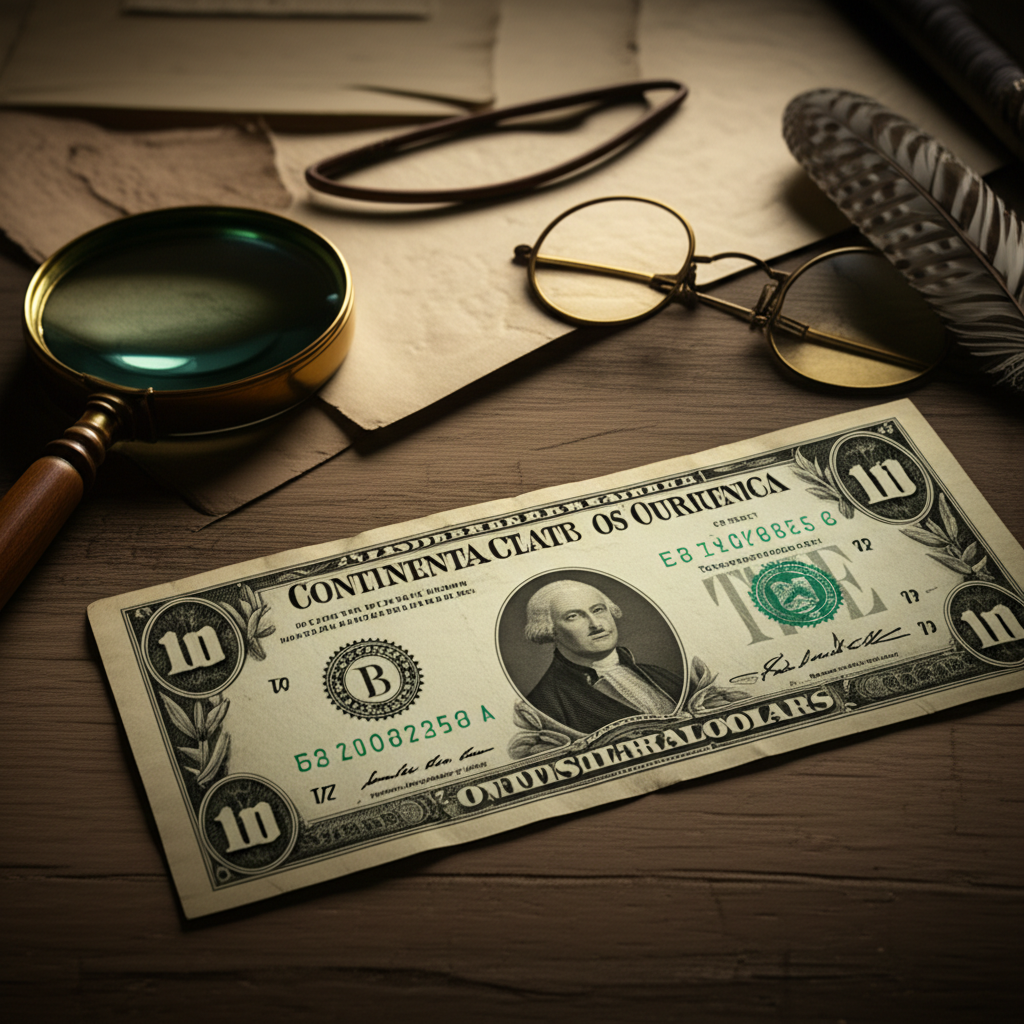
Distinguishing genuine 1776 Continental Currency from fakes requires a keen eye for detail, understanding historical context, and employing careful examination techniques. This guide provides essential insights for collectors and detectorists to confidently identify authentic specimens and avoid costly counterfeits.
The thrill of unearthing a piece of history is what drives many of us in the metal detecting community. Imagine the excitement of digging up a coin, a relic, or even a piece of paper currency from the revolutionary era. Continental Currency from 1776 holds a special place in this pursuit, representing a pivotal moment in American history. However, the allure of these historical artifacts also attracts counterfeiters, making the task of distinguishing real from fake a crucial one for any collector or detectorist. This guide is here to equip you with the knowledge and techniques needed to confidently identify authentic 1776 Continental Currency.
Contents
- 1 Unveiling the Mystery: What is 1776 Continental Currency?
- 2 The Detectorist’s Dilemma: Why Authenticity Matters
- 3 Key Characteristics of Genuine 1776 Continental Currency
- 4 Common Red Flags: What to Watch Out For
- 5 Tools and Techniques for Identification
- 6 The Role of Paper Money Detectors (and Their Limitations)
- 7 Navigating the Market: Buying and Selling 1776 Continental Currency
- 8 Real-World Detectorist Finds: Stories and Lessons
- 9 The Continental Currency 1776 Real vs Fake: A Summary for Detectorists
- 10 Frequently Asked Questions (FAQ)
- 11 Conclusion
- 12 Author
Unveiling the Mystery: What is 1776 Continental Currency?
Continental Currency was the first paper money issued by the United States, authorized by the Continental Congress during the American Revolutionary War. These notes were crucial for financing the war effort when hard currency was scarce. The 1776 issue, in particular, carries immense historical significance, representing the nascent stages of a new nation. Understanding their origin and purpose is the first step in appreciating their authenticity.
The early days of American finance were fraught with challenges, and Continental Currency was a bold attempt to overcome them. These notes were not backed by gold or silver but by the faith and credit of the United States. Their value fluctuated significantly throughout the war, famously leading to the phrase “not worth a Continental.”
The Detectorist’s Dilemma: Why Authenticity Matters
For those of us who spend our weekends with metal detectors, finding any historical artifact is a victory. However, the potential to unearth a piece of Continental Currency brings a unique set of concerns. The market for historical currency is rife with reproductions and outright fakes, some of which are quite sophisticated. As detectorists, we have a responsibility to ensure our finds are genuine and to avoid perpetuating the circulation of counterfeits.
Misidentifying a fake as real can lead to disappointment, financial loss, and damage to one’s reputation as a collector. It’s essential to approach any potential Continental Currency find with a critical and informed perspective. This guide will help you develop that critical eye.
Key Characteristics of Genuine 1776 Continental Currency
Authentic 1776 Continental Currency exhibits specific characteristics that can help in identification. These include the type of paper used, the printing techniques, the ink, and the overall design elements. Examining these features under magnification is often necessary.
The paper used for genuine notes was typically a high-quality rag paper, often with a distinctive texture. The printing was done using methods available at the time, which resulted in certain visual cues. The ink also has specific properties that can be tested or observed.
Paper Quality and Texture

The paper itself is a primary indicator. Genuine Continental Currency was printed on robust, hand-made rag paper. This paper often has a slightly uneven texture and may feel thicker than modern paper.
Look for subtle variations in the paper’s thickness and a characteristic feel that comes from its rag content. Holding it up to the light can reveal inconsistencies or watermarks, though not all genuine notes will have prominent watermarks.
Ink and Printing Methods
The inks used were typically iron gall or carbon-based, which have aged to darker tones, often black or dark brown. The printing itself was usually done using woodblock or metal engraving methods. This means the lines might have a slightly raised feel, and the detail, while clear, won’t be as perfectly sharp as modern offset printing.
Examine the sharpness of the lettering and the uniformity of the ink coverage. Authentic notes will show the nuances of the printing process, unlike the flat, often smudged appearance of many modern reproductions.
Design Elements and Signatures
The design of Continental Currency, including the denominations, vignettes, and borders, followed specific patterns for the 1776 issue. Pay close attention to the details of the artwork and the lettering. Signatures, if present, were applied by hand and will have variations.
Compare the design elements to known authentic examples. Are the fonts correct? Are the images rendered accurately? Any discrepancies here can be a red flag.
Common Red Flags: What to Watch Out For
When assessing a potential 1776 Continental Currency note, certain features are immediate warning signs. These can range from the obvious to the more subtle, but recognizing them is vital.
Many fakes are produced with modern materials and printing techniques, making them easier to spot if you know what to look for. Overly crisp paper, modern-looking ink, or anachronistic design elements are all cause for concern.
Modern Paper and Printing
One of the most common giveaways is paper that feels too smooth, too thin, or too uniform, resembling modern printer paper. Similarly, if the printing looks too sharp, too clean, or has a glossy finish, it’s likely a reproduction.
Modern printing techniques like offset lithography produce a very different look and feel than the intaglio or woodblock printing of the 18th century. The ink should not be perfectly uniform or overly vibrant.
Inconsistent or Incorrect Details
Counterfeiters often make mistakes with historical details. This could include incorrect dates, misspellings, anachronistic imagery, or inaccurate denomination markings.
Thoroughly research the specific design of genuine 1776 Continental Currency notes. Even minor deviations from established patterns can indicate a fake.
Absence of Ageing Signs
Genuine old currency, especially paper money that has been in circulation or buried, will show signs of ageing. This includes discoloration, wear, and sometimes even damage like tears or creases that look natural.
A note that looks unnaturally pristine or has uniform “age spots” that appear too regular might be artificially aged. Real ageing is often uneven and organic.
Tools and Techniques for Identification
As detectorists, we’re accustomed to using tools to enhance our finds. The same principle applies to authenticating currency. While a metal detector won’t find paper money, other simple tools can aid in authentication.
Magnification is your best friend when examining fine details. Understanding the properties of historical paper and ink is also key.
Magnification: Loupes and Microscopes
A good quality magnifying glass or a jeweler’s loupe is essential. For even greater detail, a digital microscope can be invaluable for examining paper fibers, ink characteristics, and printing details.
Using magnification allows you to see the subtle variations in paper texture and the way ink sits on the paper, which are often lost to the naked eye. This is where the differences between genuine and fake printing become most apparent.
Comparing with Known Examples
The most reliable way to authenticate a piece of currency is to compare it directly with known genuine examples. Reputable numismatic resources, museum collections, and established dealers can provide high-quality images and descriptions.
Carefully compare the design, layout, fonts, and any seals or signatures on your find against verified authentic specimens. Look for discrepancies in every aspect.
Understanding Historical Context
Knowing the history of Continental Currency, including its various issues, denominations, and known printing variations, provides a crucial backdrop for authentication. The more you know about the genuine article, the easier it is to spot a fake.
Familiarize yourself with the official decrees and historical accounts related to Continental Currency. This knowledge acts as a powerful filter against inaccuracies in potential counterfeits.
The Role of Paper Money Detectors (and Their Limitations)
While dedicated “paper money detectors” are not a common tool for detectorists, the principles of non-destructive testing can be applied. For historical paper, techniques like UV light examination or even basic chemical tests (though these should be approached with extreme caution and expertise) can sometimes reveal anomalies.
However, for the vast majority of detectorists, the focus will remain on visual and tactile examination. Relying solely on specialized detectors without understanding the underlying principles can be misleading.
UV Light Examination
UV light can sometimes reveal differences in paper composition or alterations. Modern papers and inks may react differently under UV light compared to the materials used in the 18th century.
Genuine old paper might fluoresce differently than modern bleached papers. However, this is not a definitive test and can be influenced by various factors.
Weight and Thickness Measurements
While difficult without precise instruments and comparative data, slight variations in weight and thickness can sometimes be indicative. However, paper degradation over time can make these measurements unreliable without a direct comparison to a known genuine piece.
These measurements are more useful for experienced numismatists with extensive reference material. For the average detectorist, visual and tactile cues are more practical.
If you’re looking to acquire 1776 Continental Currency, or if you believe you’ve found one and wish to sell it, understanding the market is critical. The value of these notes varies wildly based on condition, rarity, and authenticity.
Always deal with reputable sources and be wary of deals that seem too good to be true. The counterfeit market preys on enthusiasm and a lack of knowledge.
Reputable Dealers and Auction Houses
When purchasing, always go through established coin dealers or reputable auction houses that specialize in historical currency. They typically offer authenticity guarantees and have experts on staff.
These sources provide a level of assurance that individual sellers often cannot. Their reputation is on the line with every sale.
Getting an Expert Opinion: Grading Services
For valuable or potentially valuable finds, consider submitting the note to a professional grading service. Companies like PCGS (Professional Coin Grading Service) or NGC (Numismatic Guaranty Company) have experts who can authenticate and grade paper money.
While this involves a fee, it provides a definitive authentication and can significantly increase the marketability and value of a genuine note.
Real-World Detectorist Finds: Stories and Lessons
Many detectorists have shared stories of finding historical currency, though actual Continental Currency finds are exceptionally rare, especially from a metal detector. More often, what might be found are coins from the era. If paper currency is found, it’s usually in very specific, protected environments where preservation is possible.
These stories, whether of success or of learning from a fake, offer invaluable lessons for the community. They highlight the importance of diligence and continuous learning.
For instance, a detectorist might unearth a very old, heavily degraded piece of paper. Without proper preservation, it could easily turn to dust. Even if it survives, identifying it as Continental Currency would require extensive research and comparison.
The Continental Currency 1776 Real vs Fake: A Summary for Detectorists
Distinguishing genuine 1776 Continental Currency from fakes relies on meticulous examination of paper, ink, printing, and design, compared against verified historical examples. Be wary of modern materials, inconsistent details, and an unnatural appearance, and always seek expert opinions for valuable finds.
Frequently Asked Questions (FAQ)
Can a metal detector find paper money?
No, standard metal detectors are designed to detect metal objects, not paper. While a metal detector might uncover a metal box or container that once held paper money, it cannot directly detect the paper itself.
How can I preserve a fragile paper find?
Preserving fragile paper requires careful handling and a stable environment. Avoid touching it with bare hands; use archival gloves. If it’s wet or extremely fragile, it’s best not to attempt cleaning or handling it yourself and consult a professional conservator.
What is the value of 1776 Continental Currency?
The value varies greatly depending on the condition, denomination, and specific issue. Genuine notes in good condition can be valuable, but many are in poor condition due to their age and the nature of paper. Counterfeits have no intrinsic value.
Are there common denominations of 1776 Continental Currency?
Yes, Continental Currency was issued in various denominations, including fractions of a dollar and whole dollars, ranging from one-sixth of a dollar up to eighty dollars. The 1776 issue included denominations like $1, $2, $3, $4, $5, $6, $7, and $8.
How can I tell if the paper is old rag paper?
Old rag paper often has a slightly uneven texture, visible fiber bundles, and a certain stiffness or resilience that modern wood-pulp papers lack. Holding it up to the light might reveal a non-uniform translucency.
What should I do if I think I’ve found Continental Currency?
If you believe you’ve found a piece of 1776 Continental Currency, handle it with extreme care. Document its find location (if detected) and take clear, high-resolution photos. Then, consult with a reputable numismatist or paper money dealer for authentication.
Are there many fakes of 1776 Continental Currency?
Yes, like many historical artifacts, there are numerous reproductions and counterfeits of Continental Currency circulating. These range from obvious modern copies to more sophisticated attempts to deceive. Vigilance is always necessary.
Conclusion
The pursuit of historical artifacts, whether through metal detecting or other means, is a rewarding endeavor. When it comes to potentially uncovering pieces of 1776 Continental Currency, the excitement is matched by the responsibility to ensure authenticity. By understanding the characteristics of genuine notes—from the paper and ink to the printing and design—and by being aware of common red flags, you can significantly improve your ability to distinguish real from fake. Always remember to use magnification, compare your find to known examples, and when in doubt, seek the expertise of reputable dealers or grading services. Your diligence not only protects your own collection but also contributes to the integrity of historical numismatics.
