


Published on: October 9, 2025 | Updated on: October 9, 2025
Do Credit Cards Set Off Metal Detectors: Essential Guide
No, credit cards generally do not set off metal detectors. While they contain a magnetic stripe and a chip, these components lack the significant metal content required to trigger most standard metal detecting devices used by hobbyists.
Welcome, fellow treasure seekers! You’re out in the field, swinging your trusty metal detector, hoping for that satisfying ‘ping’. Suddenly, a thought pops into your head: “Will my wallet, with my credit cards inside, set off my detector?” It’s a common question, especially for beginners. The good news is, you can relax. In this guide, I’ll break down exactly why credit cards are not a concern for your metal detecting adventures. We’ll explore what does set off detectors and how to keep your detecting focused on the good stuff.
Why the Confusion About Credit Cards and Metal Detectors?
Many people wonder if credit cards set off metal detectors. This confusion often comes from how security metal detectors work. These are different from the ones we use for treasure hunting. Security detectors are designed to find weapons or illegal items. They are much more sensitive and tuned to specific metals. Our hobby detectors are built to find coins, jewelry, and relics. These items have more metal.
Understanding How Metal Detectors Work
Metal detectors use electromagnetic fields. A coil in the detector sends out a magnetic field. When this field hits a metal object, it creates a small electrical current in the metal. This current then creates its own magnetic field. The detector’s other coil picks up this new field. It then signals the user with a sound or light.
What Makes a Credit Card Different?
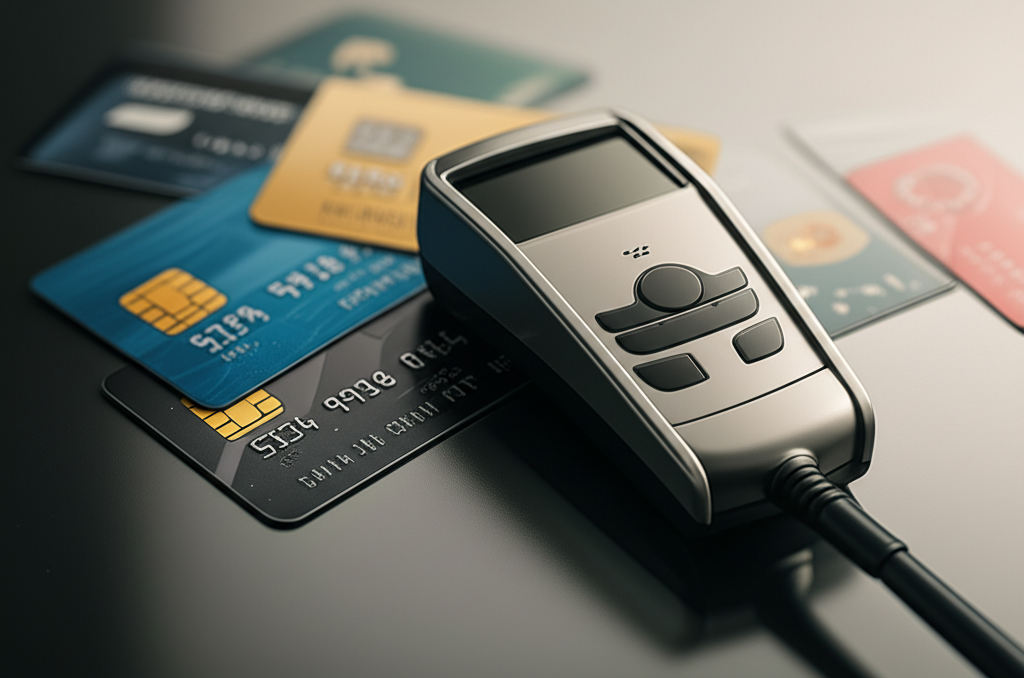
Credit cards are mostly plastic. They have a small magnetic stripe. This stripe stores information. Some cards also have a tiny computer chip. These parts do not contain enough metal to create a strong enough magnetic field. This is why your credit card won’t usually show up on a metal detector.
The Magnetic Stripe vs. The Chip
The magnetic stripe is a thin layer of magnetic material. It’s similar to what you find on old cassette tapes. The chip is a tiny integrated circuit. While both involve electricity or magnetism, the amount of metal is very small. It’s not comparable to a silver coin or a brass button.
What Metal Detecting Gear Actually Detects
Metal detectors are designed to find objects with a good amount of metal. Think about old coins made of copper, silver, or gold. Jewelry, like rings and necklaces, is also a common find. Relics from the past, such as buckles, buttons, or tools, are often made of brass, iron, or other metals. These items have a much higher metal content.
Security Metal Detectors vs. Hobby Metal Detectors
It’s important to know there are different types of metal detectors. Security detectors at airports or buildings are very sensitive. They are built to catch even small amounts of metal. Hobby detectors, like the ones we use for treasure hunting, are tuned differently. They focus on finding valuable items, not tiny metal components in everyday objects.
Can a Credit Card EVER Set Off a Detector?
In very rare cases, a credit card might cause a faint signal. This could happen if the card is very old or damaged. It could also happen with extremely sensitive hobby detectors. These detectors might pick up on the very small amount of metal. However, the signal would be weak. It would not be mistaken for a valuable find.
Testing Your Own Credit Card: A Simple Experiment
You can test this yourself. Take a credit card and your metal detector. Turn on your detector to a normal setting. Slowly pass the credit card over the coil. You will likely hear no signal or a very faint, inconsistent one. Now try it with a coin. You will hear a clear, strong signal. This proves the difference in metal content.
What To Do If You Get a Faint Signal
If your metal detector gives a weak or uncertain signal, it’s usually not a credit card. It could be a small piece of foil. It might be a tiny piece of junk metal. It’s always worth investigating a signal. Sometimes even small junk signals can lead to larger, more interesting finds nearby.
Focusing Your Detecting Efforts
Understanding what triggers your metal detector helps you focus. You want to spend your time searching for real treasures. Knowing that credit cards are not an issue frees your mind. You can concentrate on identifying those promising signals. This leads to more rewarding detecting sessions.
FAQ: Your Top Questions Answered
Will my credit card wallet set off a metal detector?
No, a wallet with credit cards inside will not typically set off a hobby metal detector. The amount of metal is too small.
Do credit cards have metal in them?
Credit cards have a small magnetic stripe and sometimes a chip. These contain very little metal.
What kind of metal do metal detectors look for?
Metal detectors look for objects with significant amounts of metal, like coins, jewelry, and relics.
Why do security metal detectors seem more sensitive?
Security detectors are designed to be highly sensitive to catch weapons. Hobby detectors are tuned for different types of finds.
Could a credit card cause a false positive on a detector?
It’s extremely unlikely. If it does, the signal would be very weak and not mistaken for a good target.
Should I keep my credit card in my pocket while detecting?
You can, but it’s best to keep your wallet separate. This avoids any confusion and keeps your cards safe.
Conclusion: Detecting with Confidence
So, to put it simply, do credit cards set off metal detectors? The answer is a resounding no for the detectors we use for treasure hunting. The plastic and tiny components of a credit card lack the necessary metal mass to trigger a signal. This is a relief for all of us who carry our wallets while exploring. Focus on the exciting world of coins, relics, and jewelry. With this knowledge, you can confidently swing your detector, knowing your everyday plastic isn’t getting in the way of your next great find. Happy hunting!

