


Published on: October 12, 2025 | Updated on: October 12, 2025
The evolution of metal detectors has transformed treasure hunting, making these devices more sensitive, user-friendly, and capable of finding deeper, smaller targets than ever before. This article explores the key advancements that have shaped modern metal detecting.
The Evolution of the Metal Detector: Essential Breakthroughs That Changed Treasure Hunting
Remember when finding buried treasure felt like something out of a movie? For a long time, metal detectors were clunky, complicated machines. They often struggled to tell the difference between junk and genuine finds. This made treasure hunting a frustrating game of trial and error. But the world of metal detecting has seen amazing changes. These breakthroughs have made it easier and more rewarding for everyone, from beginners to seasoned pros. Get ready to learn about the incredible journey of the metal detector and what makes today’s machines so special.
From Simple Coils to Smart Technology: The Early Days
The very first metal detectors were quite basic. They used a simple design with a transmitter coil and a receiver coil. These coils sent out a magnetic field. When this field hit metal, it bounced back, and the detector would signal. Early models were bulky and often picked up everything, leading to many dig holes filled with junk. They were more like novelty items than serious treasure-hunting tools.
The initial designs were often heavy and cumbersome. Battery life was also a significant limitation. Finding anything specific was a challenge, as these early machines lacked discrimination features. This meant they would beep at iron nails just as loudly as gold rings.
The Birth of VLF: Seeing the Difference in Metals
A huge leap forward came with Very Low Frequency (VLF) technology. VLF detectors use two separate coils: one to transmit a signal and one to receive it. This setup allowed for much better control and discrimination. It meant detectors could start to tell the difference between different types of metal.
VLF technology made it possible to ignore iron targets. This was a game-changer for hunters looking for coins and jewelry. Instead of digging up rusty nails all day, detectorists could focus on more valuable finds. It dramatically improved the efficiency and enjoyment of the hobby.
This advancement paved the way for more sophisticated signal processing. It allowed for finer tuning and better performance in mineralized ground. VLF remains a popular technology in many modern detectors today.
Pulse Induction (PI): Conquering Tough Ground
Pulse Induction (PI) detectors work differently. They send out short, powerful pulses of magnetic energy. When these pulses hit metal, they create their own magnetic field. The PI detector then measures how long it takes for this field to decay. This method is excellent for finding targets deep in the ground.
PI detectors are less affected by mineralized soil or salt water. This makes them ideal for beach hunting or searching in areas with lots of natural minerals. They can often detect larger, deeper targets than VLF machines. However, they typically have less discrimination capability, meaning they might signal on more types of metal.
The power of PI technology allows for greater depth penetration. This is crucial when searching for older, deeper relics or larger caches of coins. While not as common for everyday coin shooting, PI is a must-have for specific environments.
Multi-Frequency Technology: The Best of Both Worlds
The latest and perhaps most significant breakthrough is multi-frequency technology. These advanced detectors can operate on several frequencies simultaneously or switch between them. Different frequencies are better at detecting different types of targets. Low frequencies are good for large, deep objects, while high frequencies excel at finding small, shallow items like thin gold chains.
By using multiple frequencies, these detectors offer incredible versatility. They can find a wide range of targets in various conditions. This technology combines the strengths of VLF and PI in a single unit. It provides superior target separation and depth.
Multi-frequency detectors offer unparalleled performance across different ground types. They can pinpoint tiny gold nuggets and deep silver coins with ease. This makes them the top choice for serious prospectors and treasure hunters.
Digital Signal Processing (DSP) and Microprocessors: The Brains Behind the Beep
Modern metal detectors are packed with digital brains. Microprocessors and Digital Signal Processing (DSP) allow for incredibly sophisticated analysis of signals. This technology processes the information from the coils much faster and more accurately than older analog systems. It leads to better target identification and fewer false signals.
DSP enables features like advanced iron bias control. It also allows for custom settings and a more intuitive user interface. These digital systems can be updated with new software, meaning your detector can improve over time. The processing power makes a huge difference in what you can find.
The ability to filter out unwanted noise is a key benefit of DSP. This results in a cleaner signal and more confident target identification. It means less time spent digging junk and more time recovering valuable items.
Improved Coil Designs: Reaching Deeper and Smaller Targets
The coil is the part of the metal detector that actually “sees” the metal. Advances in coil technology have been just as important as electronics. We now have lighter, more sensitive coils. Designs like Double-D coils offer better ground balancing and target separation.
Smaller coils are great for pinpointing targets in trashy areas. Larger coils can cover more ground and detect deeper. Some coils are waterproof, allowing for underwater searching. The variety of coil options lets you customize your detector for specific hunting situations.
The materials and winding techniques used in coils have also improved. This leads to better conductivity and sensitivity. A good coil is crucial for maximizing the performance of any metal detector.
Wireless Audio and Connectivity: A More Comfortable Experience
Metal detecting used to mean tangled headphone wires. Now, many detectors come with wireless audio capabilities. This means you can use wireless headphones for a more comfortable and less distracting experience. You can hear those faint signals clearly without being tethered to the control box.
Some advanced detectors also offer Bluetooth or Wi-Fi connectivity. This allows for data logging, software updates, and even connecting to smartphone apps. These features enhance the overall user experience and offer new ways to analyze your finds.
Wireless audio really frees you up to move around. It makes long detecting sessions much more enjoyable. Being able to connect your detector to other devices opens up new possibilities for data management and learning.
Ergonomics and User-Friendliness: Designed for the Detectorist
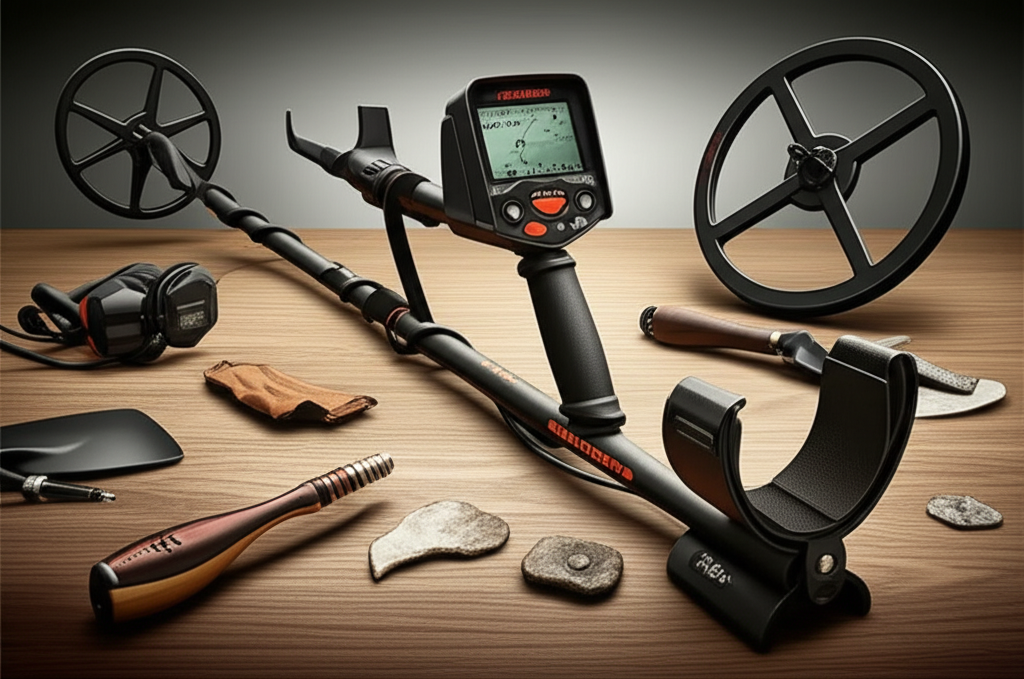
Today’s metal detectors are designed with the user in mind. They are much lighter and more balanced than older models. Adjustable shafts make them comfortable for people of different heights. Control panels are often more intuitive, with clear displays and easy-to-understand menus.
This focus on ergonomics means you can detect for longer periods without fatigue. The ease of use lowers the barrier to entry for new hobbyists. A comfortable detector is one you’ll want to take out more often.
Manufacturers have learned that a detector needs to feel good in your hands. This includes the weight, balance, and how easy it is to adjust. A well-designed detector makes the entire experience more pleasant.
The Impact on Different Detecting Disciplines
These breakthroughs have had a massive impact on various types of metal detecting.
Coin Shooting: Modern detectors can easily distinguish between different coin types and ignore iron trash. This has made finding old coins in parks and fields much more productive.
Relic Hunting: The increased depth and sensitivity allow detectorists to find historical artifacts buried deep in the soil. This is crucial for uncovering pieces of history.
Gold Prospecting: Specialized detectors and multi-frequency technology can pinpoint tiny gold nuggets in mineralized ground where older machines would fail.
Beach Hunting: Waterproof detectors and PI technology have opened up vast new areas for finding lost jewelry and coins.
Each discipline benefits from the continuous improvements in detector technology. The evolution has truly expanded the possibilities for what, where, and how we can detect.
Choosing Your Next Detector: What These Breakthroughs Mean for You
The evolution of metal detectors means you have more choices than ever. For beginners, user-friendly VLF machines with good discrimination are excellent starting points. If you plan on hunting in tough ground or looking for deeper targets, a PI or multi-frequency detector might be a better investment.
Consider what you want to find and where you plan to hunt. Read reviews and watch comparison videos. The best detector for you will depend on your specific needs and budget. Don’t be afraid to ask experienced detectorists for advice.
Ultimately, the advancements mean you can enjoy the thrill of discovery more than ever. The technology is constantly improving, making the hobby more accessible and rewarding for everyone.
Frequently Asked Questions About Metal Detector Evolution
What is the biggest change in metal detector technology?

The biggest change is probably multi-frequency technology. It lets detectors work on many signals at once, finding more types of targets in different soils.
Are older metal detectors still useful?
Yes, older detectors can still be useful for simple tasks or if you are on a tight budget. However, modern detectors offer much better performance and features.
How does a metal detector find gold?
Gold is a good conductor. Modern detectors, especially those with high frequencies or specialized gold modes, can pick up the faint signals from small gold pieces.
What does “discrimination” mean on a metal detector?
Discrimination means the detector can ignore certain types of metal, like iron. This helps you avoid digging up junk and focus on more valuable finds.
Is it hard to learn how to use a new metal detector?
Modern detectors are much easier to use than older ones. Many have simple menus and automatic settings, making them beginner-friendly.
What is the difference between VLF and PI detectors?
VLF detectors use two coils and are good at discriminating between metals. PI detectors use pulses and are better in mineralized ground and at greater depths.
Conclusion: The Future of Finding What’s Hidden
The journey from basic metal detectors to today’s sophisticated machines is truly remarkable. The evolution metal detector technology has undergone has opened up new worlds for treasure hunters, prospectors, and history enthusiasts. With advancements like multi-frequency operation, digital signal processing, and improved coil designs, finding hidden targets is more achievable and exciting than ever. Whether you’re searching for ancient coins, lost jewelry, or precious gold nuggets, the modern evolution metal detector is your key to unlocking more finds. As technology continues to advance, we can only imagine what incredible breakthroughs the future will bring to the world of metal detecting.
