


Published on: November 4, 2025 | Updated on: November 4, 2025
Metal Detector Course: Your Essential Breakthrough for Unearthing More Treasures
Unlock the secrets of metal detecting with a comprehensive course. Learn essential techniques, understand your gear, and boost your finds. This guide is your roadmap to becoming a skilled detectorist and making every outing a success.
Metal detecting can be a thrilling hobby. You might dream of finding old coins or lost jewelry. But sometimes, it feels like you’re just digging holes. It’s easy to get frustrated when you don’t find much. Many beginners struggle to know where to start. They might not understand their detector well. This can lead to missed opportunities and wasted time. This article will guide you. We will show you how a metal detector course can be your breakthrough. You will learn how to use your equipment better. You will discover where to look for the best finds. Get ready to improve your detecting skills.
Why You Need a Metal Detector Course
A good metal detector course teaches you the basics. It helps you understand how metal detectors work. You learn about different signals and what they mean. This knowledge is key to finding more than just junk. Without this guidance, you might miss valuable items. You could also damage your equipment or the environment. A course provides a structured way to learn. It saves you from making common beginner mistakes. It sets you on the path to successful detecting.
Understanding Your Metal Detector
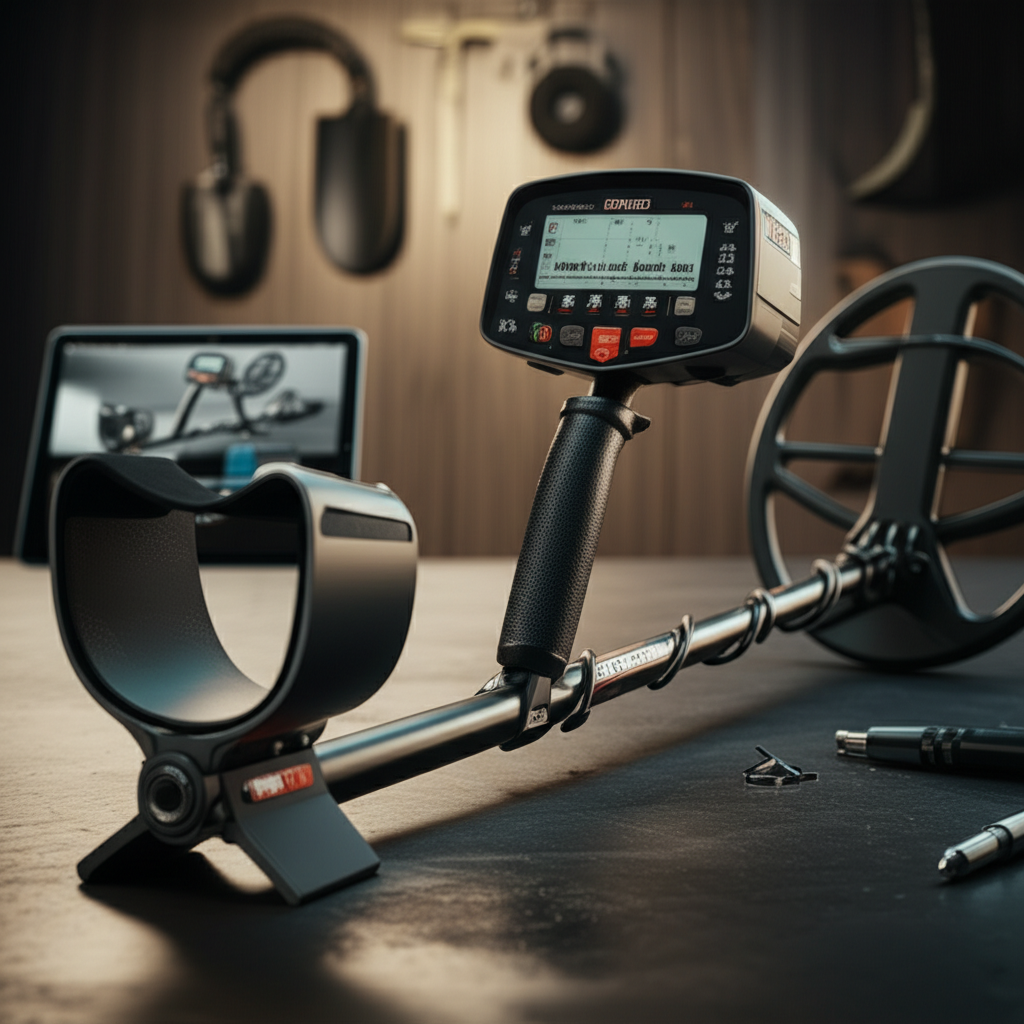
Your metal detector is more than just a wand. It has many settings that affect its performance. Learning these settings is crucial. You need to know about sensitivity and discrimination. Sensitivity helps the detector find small or deep targets. Discrimination helps it ignore unwanted metals, like iron. Understanding these controls lets you tune your detector for different situations. This means better finds and fewer trash targets.
Sensitivity Settings: Finding the Small Stuff
Sensitivity is like the detector’s hearing. A higher setting means it can hear fainter signals. This is good for finding tiny gold nuggets or old, thin coins. But too high a setting can cause false signals. This is called “chatter.” It happens when the detector gets overloaded. You need to find the sweet spot. This is usually the highest setting without chatter.
Discrimination Settings: Ignoring the Junk
Discrimination helps you avoid digging up trash. Most detectors can ignore iron. Some can also ignore pull tabs or foil. This saves you digging time. However, be careful. Sometimes, valuable items can look like trash to the detector. A deep coin might have a similar signal to iron. Learning to read signals is more important than just relying on discrimination.
Essential Metal Detecting Techniques
Knowing how to swing your coil is important. You also need to know how to pinpoint targets. Proper techniques help you cover ground efficiently. They also help you locate targets accurately. This saves time and effort in the field. A course will teach you these proven methods. You will learn how to get the most out of every swing.
Coil Swinging Patterns: The Art of Coverage
The way you swing your coil matters a lot. You want to cover the ground completely. A common method is the “grid pattern.” You swing the coil back and forth. Then you move over a small amount and swing again. This ensures no spots are missed. Overlapping your swings is also key. This prevents gaps where targets could hide.
Pinpointing Your Finds: Precision Digging
Once your detector signals a target, you need to find its exact spot. This is called pinpointing. Most detectors have a pinpoint mode. You can also use a pinpointer tool. This is a small, handheld detector. It helps you find the target within the dug plug of soil. Accurate pinpointing means less digging and less disturbance to the ground.
Choosing the Right Metal Detector and Gear
The market has many metal detectors. They range from simple to very advanced. Choosing the right one depends on your budget. It also depends on what you want to find. A beginner might start with a simpler, affordable model. Experienced detectorists might need more specialized gear. A course can guide you through the options. It helps you avoid buying the wrong equipment.
Types of Metal Detectors: What’s Best for You?
There are different types of detectors. VLF (Very Low Frequency) detectors are common. They are good for coins and relics. PI (Pulse Induction) detectors are better for mineralized ground. They are also good for saltwater beaches. Some detectors are designed for gold prospecting. They have higher frequencies. Knowing these differences helps you choose wisely.
Essential Accessories: Beyond the Detector
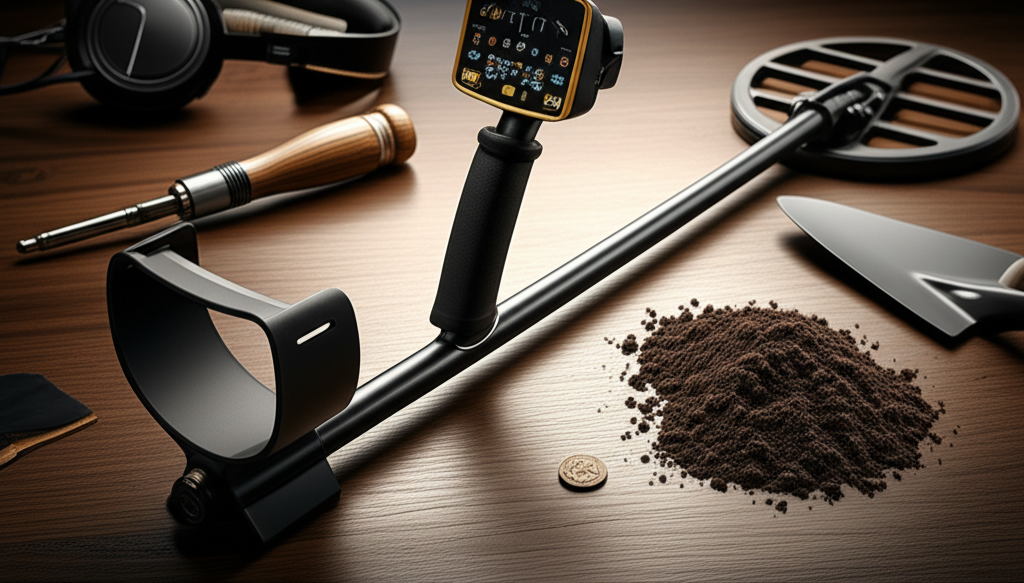
Besides a detector, you need other tools. A good digging tool is vital. A sand scoop is useful for beaches. A pinpointer helps locate targets. A finds pouch carries your treasures. Headphones are also important. They let you hear faint signals clearly. They also block out background noise. A sturdy backpack can carry it all.
Where to Detect: Prime Locations for Finds
Knowing where to look is half the battle. Certain locations are more likely to hold treasures. These include old parks, beaches, and historical sites. You must always get permission before detecting on private land. Public land often has rules too. Researching the history of an area can reveal promising spots. A course can offer insights into finding good locations.
Public vs. Private Land: Permissions and Etiquette
Always respect property rights. Get permission from landowners before detecting on their land. This is crucial for building good relationships. For public parks or beaches, check local regulations. Some areas may be off-limits. Responsible detecting means leaving no trace. Fill in your holes neatly. Take all your trash with you.
Historical Hotspots: Uncovering the Past
Areas with a lot of human activity in the past are great. Think about old homesites, schools, or fairgrounds. Places where people gathered are good bets. Old roads and trails can also yield finds. Researching local history is key. Old maps can show where buildings once stood. This information can lead you to exciting discoveries.
Understanding Metal Detector Signals: Deciphering the Beeps
Every metal detector makes sounds. These sounds are signals. They tell you something is in the ground. Different signals mean different types of metal. Some signals are high-pitched. Others are low-pitched. Some are choppy or inconsistent. Learning to interpret these signals is a skill. It takes practice and experience. A course will teach you how to listen.
Interpreting Tones: High vs. Low Frequencies
Most detectors use tones to indicate metal type. High-pitched tones often mean iron or foil. Mid-range tones can be pull tabs or small gold rings. Low-pitched tones usually indicate silver coins or larger targets. This is a general guide. Different detectors have different tones. You will learn your detector’s specific language.
Recognizing Trash vs. Treasure Signals
It’s easy to dig up bottle caps. It’s less fun to dig up old coins. A good detectorist learns to tell the difference. A sharp, clear signal is often good. A broken or jumpy signal might be trash. However, some good targets can give tricky signals. This is where experience comes in. You learn to make educated guesses.
The Importance of Research and History
Knowing the history of your detecting spot is powerful. Old maps and local records can tell you a lot. They can reveal where people lived or gathered. This information helps you predict where targets might be. It’s like having a treasure map. Researching makes your detecting more focused. It increases your chances of finding significant items.
Utilizing Historical Maps and Records
Old maps are amazing tools for detectorists. They show old property lines and buildings. You can find them at local libraries or historical societies. Old newspapers can also offer clues. They might mention local events or businesses. Combining this with your detector’s capabilities is a winning strategy.
Understanding Target Depth and Size
Metal detectors have limits. They can only detect targets up to a certain depth. Larger targets can be detected deeper than smaller ones. Your detector’s settings affect depth. The coil size also matters. A larger coil can find deeper targets. But it may not be as good at finding small items.
Advanced Techniques and Troubleshooting
Once you master the basics, you can learn more. Advanced techniques can help you in tough situations. This includes detecting in noisy environments or highly mineralized soil. Troubleshooting common problems is also important. What do you do when your detector acts strange? A course can cover these advanced topics.
Dealing with Mineralized Ground
Some soil contains a lot of iron minerals. This can make your detector give false signals. This is called ground mineralization. Many detectors have a ground balance feature. This helps cancel out the mineral interference. Learning to ground balance properly is essential for these areas. PI detectors often perform better in highly mineralized soil.
Troubleshooting Common Detector Issues
Sometimes your detector might act up. It might give constant false signals. Or it might stop working altogether. Common issues include low batteries. They can also be caused by incorrect settings. Sometimes a coil cable can be damaged. Knowing how to check these things saves your detecting day.
Putting Your Knowledge to the Test: Field Practice
Reading about metal detecting is one thing. Doing it is another. The best way to learn is by practicing. Take your detector out regularly. Try different locations and settings. Learn from every dig. Even finding trash teaches you something. A course encourages hands-on experience. It helps you build confidence in your skills.
Planning Your Detecting Trips
Good planning leads to better finds. Decide where you want to go. Check the weather forecast. Make sure you have all your gear. Charge your detector batteries. Pack water and snacks. Tell someone where you are going and when you expect to be back. Safety is important.
Learning from Every Find (and Non-Find)
Every time you detect, you learn. A great find is exciting. But digging up junk teaches you too. You learn how your detector sounds. You learn what different signals mean. Even if you don’t find anything, you are practicing. You are getting familiar with your equipment. This practice is invaluable.
Frequently Asked Questions About Metal Detector Courses
What is the best way to learn metal detecting?
The best way to learn is through a combination of a good metal detector course and practical field experience. A course provides structured knowledge, while practice builds your skills and understanding.
How much does a metal detector course typically cost?
Costs vary widely. Online courses can range from $50 to $300. In-person workshops or private lessons might be more expensive. Some clubs offer free or low-cost training.
Do I need to buy a detector before taking a course?
Not always. Some courses provide equipment for you to use. However, it’s often beneficial to have your own detector so you can practice with the specific model you plan to use.
What will I learn in a beginner metal detector course?
You’ll learn about detector types, settings, basic techniques like coil swinging and pinpointing, how to interpret signals, and essential etiquette for responsible detecting.
How long does it take to become good at metal detecting?
Becoming proficient takes time and practice. While a course can accelerate your learning curve, consistent field experience over months or even years will significantly improve your skills.
Are metal detector courses worth the money?
For beginners, a course can be highly valuable. It helps you avoid common mistakes, understand your equipment better, and find more in less time, making the investment worthwhile.
Conclusion: Your Treasure Hunting Journey Starts Here
Embarking on a metal detecting journey can be incredibly rewarding. A dedicated metal detector course is your essential breakthrough. It transforms you from a hopeful beginner into a knowledgeable detectorist. You will learn to understand your equipment deeply. You will master effective detecting techniques. You will know where and how to look for the best finds. This knowledge saves you time and frustration. It maximizes your chances of unearthing exciting treasures. Investing in a good metal detector course is investing in your hobby. It’s the first step towards a more successful and enjoyable treasure hunting adventure. Start your learning today and unlock a world of discovery.
