


Published on: November 4, 2025 | Updated on: November 4, 2025
Metal Detector Device: Essential Breakthroughs Explained
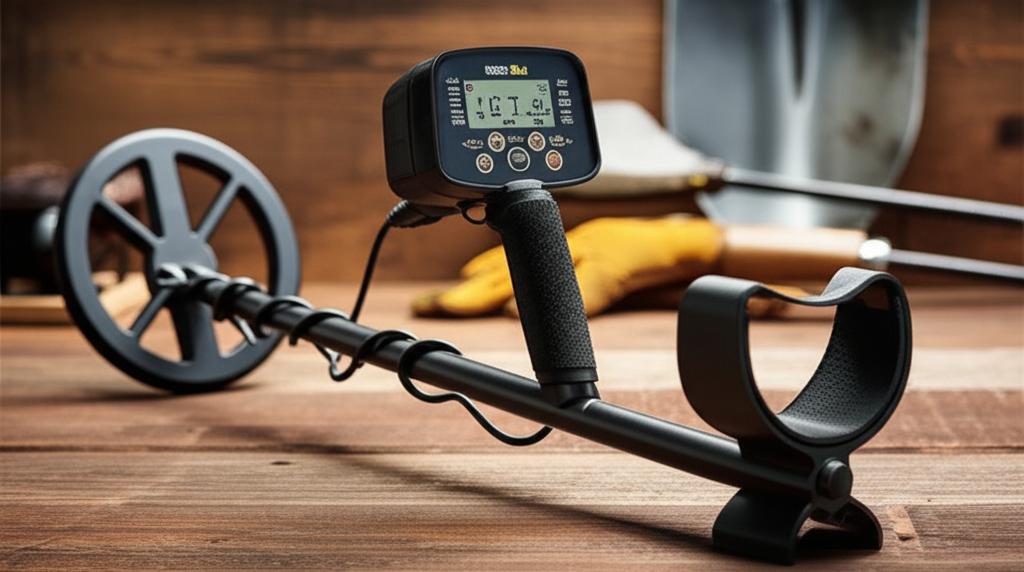
A metal detector device uses electromagnetic fields to find buried metal objects. Modern breakthroughs have made them smarter, more sensitive, and easier to use, opening up new possibilities for treasure hunters and relic enthusiasts alike.
Metal detecting is a fascinating hobby. It lets you explore the past. You can find old coins, lost jewelry, and historical relics. But choosing the right metal detector device can be tricky. Many different types exist. They all have unique features. This guide will explain the important advancements in metal detector devices. I’ll help you understand what makes them tick. We will explore the technology behind them. This will help you pick the best device for your needs.
What Exactly is a Metal Detector Device?
A metal detector device works by sending out an electromagnetic field. This field interacts with metal objects in the ground. When metal is detected, the device signals you. It usually makes a sound or shows a reading on a screen. This basic principle has been around for a long time. But the technology has improved a lot.
The Early Days: Simple Beginnings
The first metal detectors were quite basic. They used simple circuits. These were often called “beat frequency oscillators” or BFO detectors. They were heavy and not very sensitive. Finding small or deep objects was difficult. They were mostly used for finding large metal items. The technology was a big step, but far from what we have today.
The Big Leap: Induction Balance Technology
A major breakthrough was Induction Balance (IB) technology. This made detectors much more accurate. IB detectors use two coils. One coil sends out the signal. The other coil receives the signal back. This setup helps cancel out ground minerals. It also makes the detector better at finding different types of metal. This was a huge improvement for finding coins and relics.
Understanding the Different Types of Metal Detector Devices
Today, there are several main types of metal detector devices. Each is suited for different kinds of detecting. Understanding these types is key to choosing the right one. We have IB detectors, Pulse Induction (PI) detectors, and Very Low Frequency (VLF) detectors. Each has its own strengths and weaknesses.
Very Low Frequency (VLF) Detectors
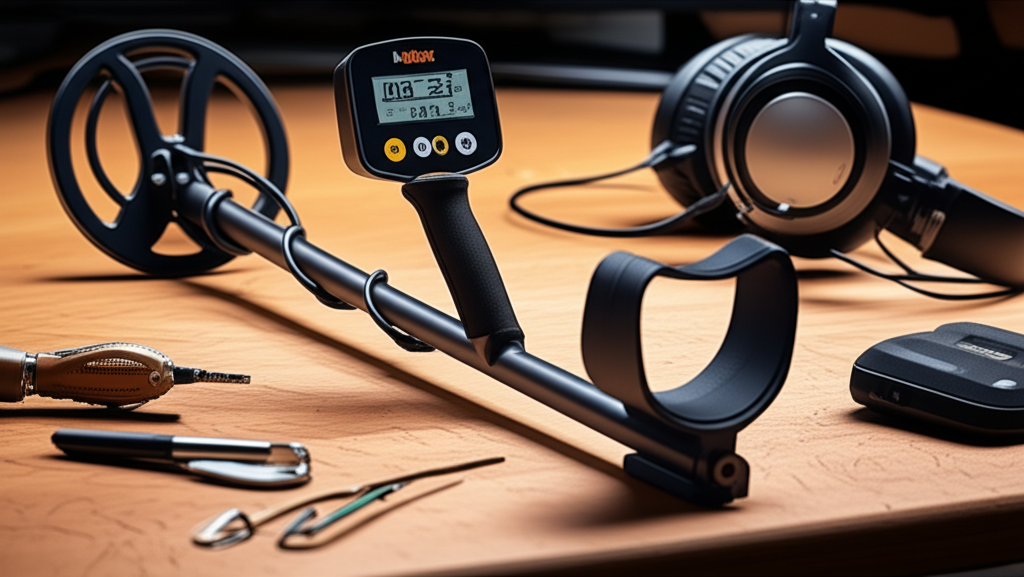
VLF detectors are the most common type. They work well in most conditions. They are great for finding coins and jewelry. VLF detectors use two coils, a transmitter and a receiver. They can often discriminate between different metals. This means they can tell iron from gold, for example.
Pulse Induction (PI) Detectors
Pulse Induction (PI) detectors send out short pulses of energy. These pulses create a magnetic field. When metal is present, the field collapses. This collapse creates a signal that the detector picks up. PI detectors are very good at ignoring saltwater and mineralized ground. They are often used for beach detecting and gold prospecting.
Key Breakthroughs in Coil Technology
The coil is the part of the metal detector device that searches the ground. Advancements in coil design have been crucial. Different coil shapes and sizes can find different things. They also perform differently in various ground conditions. Better coils mean better finds for detectorists.
Coil Size and Shape Matters
Smaller coils are better for finding tiny targets. They are also good for cluttered areas. Larger coils can cover more ground faster. They can also detect deeper targets. Some coils are shaped differently, like elliptical coils. These can navigate through brush better.
Waterproof and Submersible Coils
Many modern coils are waterproof. Some metal detector devices have fully submersible coils. This allows you to search in shallow water. You can even detect on the beach or in streams. This opens up many new places to hunt for treasure.
The Power of Digital Processing and Microprocessors
Modern metal detector devices use sophisticated electronics. Microprocessors and digital signal processing (DSP) are key. These allow for advanced features. They can filter out unwanted signals. They can also identify targets with more accuracy. This makes finding good targets easier.
Ground Balancing: A Game Changer
Ground balancing is a critical feature. The ground itself can contain minerals. These minerals can confuse a metal detector. Ground balancing helps the device ignore these minerals. It tunes the detector to the specific ground you are searching. This makes the detector much more sensitive to actual targets.
Automatic vs. Manual Ground Balance
Some detectors have automatic ground balance. You just push a button. The detector does the rest. Others have manual ground balance. This gives you more control. It can be better for very tricky ground conditions. Learning to ground balance properly is important.
Target Identification and Discrimination Features
One of the most helpful features is target identification. Most metal detector devices show a number on the screen. This number helps you guess what the target might be. Discrimination allows you to ignore certain types of metal. For example, you can set it to ignore iron nails. This saves you digging up trash.
Understanding Target ID Numbers
Target ID numbers vary between brands. But generally, low numbers mean iron. Higher numbers often mean coins or precious metals. It takes practice to learn what the numbers mean for your specific detector. This feature helps you decide if a target is worth digging.
Pinpointers: Essential for Every Detectorist
A pinpointer is a small, handheld metal detector. It is used once you have dug a plug of earth. You use the pinpointer to quickly locate the exact spot of the target within the dug soil or hole. This saves a lot of time and effort. It also helps preserve the site you are hunting.
Wireless Audio and Advanced Features
Modern metal detector devices offer wireless audio. You can connect wireless headphones. This means no tangled wires. Some detectors have built-in GPS. They can map your finds. Others have advanced settings for specific types of detecting, like gold prospecting.
Choosing Your Metal Detector Device: What to Consider
When picking a metal detector device, think about where you will hunt. Consider what you want to find. Beginners might want a simple, easy-to-use VLF detector. Experienced detectorists might need a PI detector for beaches or gold. Always research different brands and models.
Maintaining Your Metal Detector Device
To keep your metal detector device working well, take care of it. Clean it after each use. Store it in a safe place. Protect the coil from damage. Check the batteries regularly. Good maintenance ensures your device lasts for years.
Frequently Asked Questions
What is the best metal detector device for beginners?
For beginners, a good VLF detector from brands like Garrett, Minelab, or Nokta Makro is often recommended. Look for models that are easy to use and have good target ID features.
Can a metal detector device find gold?
Yes, some metal detector devices are specifically designed for gold prospecting. These are usually PI or high-frequency VLF detectors. They are very sensitive to small gold nuggets.
How deep can a metal detector device detect?
The depth depends on the detector’s power, the coil size, and the target size. Generally, larger coils and more powerful detectors can find targets deeper in the ground.
What does discrimination mean on a metal detector device?
Discrimination means setting the detector to ignore certain types of metal. This is useful for avoiding trash targets like iron nails. It helps you focus on more desirable finds.
Do I need a pinpointer with my metal detector device?
Yes, a pinpointer is highly recommended for all metal detectorists. It helps you quickly find the exact location of your target in the soil. This saves time and reduces the size of your digging holes.
Conclusion: Your Journey with a Metal Detector Device
The evolution of the metal detector device has been remarkable. From simple machines to sophisticated tools, these devices have opened up a world of discovery. Understanding the breakthroughs in coil technology, digital processing, and target identification helps you make informed choices. Whether you’re hunting for coins in a park or prospecting for gold in the wilderness, the right metal detector device is your key companion. With practice and patience, your metal detecting adventures can be incredibly rewarding.
