


Published on: November 4, 2025 | Updated on: November 4, 2025
Metal detector electronics are the brain behind your treasure hunting. Understanding these essential breakthroughs, from basic circuits to advanced VLF and PI systems, helps you choose the right gear and find more. This guide reveals how these technologies work and why they matter for every detectorist.
The world of metal detecting can seem a bit complex. You see different machines with fancy names. Many people wonder what makes one detector better than another. It often comes down to the electronics inside. These electronic parts are the key to finding buried treasures. I’ve spent years with detectors in hand, and I know how crucial these internal workings are. This article will break down the core metal detector electronics. We will explore the important advancements that make modern detecting so exciting. Get ready to understand your gear like never before.
What Are Metal Detector Electronics?
Metal detector electronics are the systems that allow a detector to find metal objects. They use electrical signals to send out a magnetic field. When this field hits metal, it creates a response. The electronics then process this response. They tell you if something metal is nearby. It’s like giving your detector a brain to “see” underground.
The Basic Building Blocks: Circuits and Coils
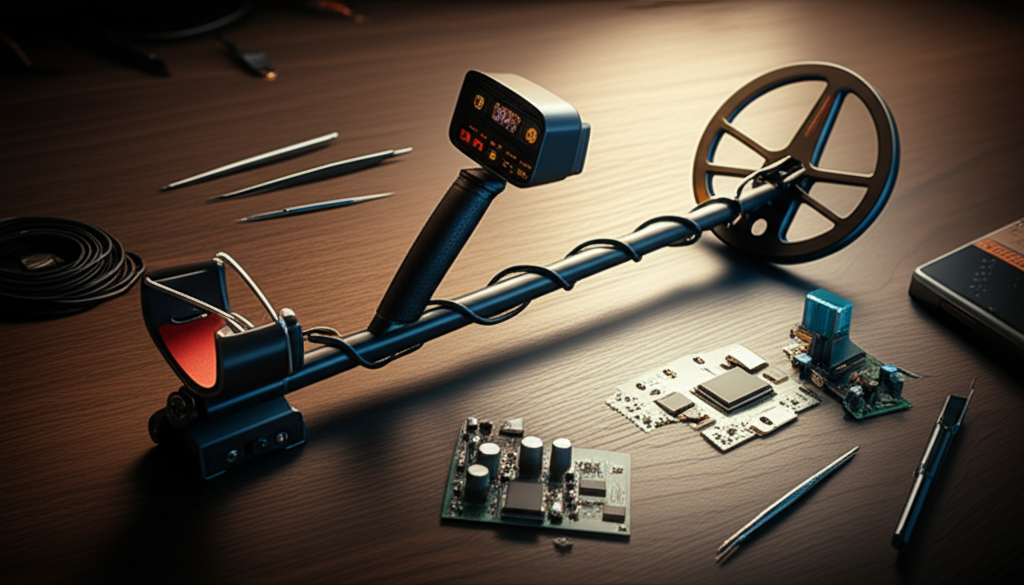
At its heart, a metal detector is a sophisticated electronic device. The most important parts are the circuit board and the search coil. The circuit board houses all the electronic components. These components manage power, process signals, and produce sounds. The search coil is the part that actually interacts with the ground. It’s usually a circular loop of wire.
How the Search Coil Works

The search coil is where the magic begins. It generates a magnetic field. This field goes into the ground. If there’s metal in the ground, it disturbs this field. The coil then senses this disturbance. This signal is sent back to the circuit board for analysis.
The Role of the Circuit Board
The circuit board is the control center. It takes the weak signal from the coil. It amplifies this signal. Then, it filters out unwanted noise. Finally, it translates the processed signal into an alert. This alert is usually an audible tone or a visual display.
VLF Technology: The Most Common System
Very Low Frequency (VLF) technology is the most popular type of metal detector electronics. Most hobby detectors use this system. VLF detectors work by using two coils. One coil transmits a magnetic field. The other coil receives the returning signal.
Understanding Transmission and Reception
The transmitter coil sends out a continuous magnetic wave. This wave goes into the ground. When it hits a metal object, it creates a different magnetic field. The receiver coil picks up this new field. The difference between the transmitted and received signals is analyzed. This analysis helps identify the type and depth of the metal.
Discrimination: Ignoring Junk, Finding Treasure
A key feature of VLF electronics is discrimination. This allows the detector to ignore certain types of metal. For example, it can be set to ignore iron nails or foil. This is very helpful when searching in areas with lots of trash. It helps you focus on finding coins and relics.
PI Technology: For Challenging Ground Conditions
Pulse Induction (PI) technology is another important system. It is often used in specialized detectors. PI detectors are great for areas with highly mineralized soil. This type of soil can cause false signals for VLF detectors. PI detectors use a single coil.
How Pulse Induction Works
A PI detector sends out short pulses of magnetic energy. These pulses are very strong. After each pulse, the coil listens for a return signal. The metal object creates a magnetic field that decays slowly. The detector measures how long this field lasts. This tells it that metal is present.
Advantages of PI Detectors
PI detectors are less affected by mineralized ground. They can also often detect deeper. This makes them ideal for saltwater beaches and gold prospecting. However, they usually have less discrimination ability than VLF detectors. This means they might signal on all metals.
Ground Balancing: A Crucial Electronic Function
Ground balancing is a vital electronic feature. All soil contains some minerals. These minerals can affect the detector’s performance. Ground balancing helps the detector ignore these ground minerals. It tunes the detector to the specific soil conditions.
Manual vs. Automatic Ground Balance
Some detectors have manual ground balance. You adjust it yourself by pushing a button. Others have automatic ground balance. The detector adjusts itself as you swing the coil. Automatic ground balance is easier for beginners. Manual ground balance can sometimes provide better performance.
Target ID and Multi-Frequency: Advanced Electronics
Modern metal detector electronics offer advanced features. Target identification (Target ID) is one. This feature uses numbers on a display. These numbers estimate what type of metal you have found. It helps you decide whether to dig or not.
The Power of Multi-Frequency Detectors
Some newer detectors use multi-frequency technology. Instead of just one frequency, they use several at once. This allows them to detect a wider range of targets. It also helps them perform better in different soil conditions and on various types of metal. These machines are often more expensive. They offer superior performance for serious hunters.
Understanding Different Detector Brands and Their Electronics
Many brands make metal detectors. Each brand might use slightly different electronic designs. Some brands are known for their VLF technology. Others focus on PI systems or advanced multi-frequency options. Researching brands like Minelab, Garrett, and Nokta Makro can reveal their electronic strengths.
Key Brands and Their Electronic Philosophies
For example, Minelab is known for its advanced multi-frequency technology. Garrett often offers user-friendly VLF detectors with good discrimination. Nokta Makro provides robust PI and VLF options. Understanding these differences helps you match a brand’s electronics to your detecting needs.
Choosing the Right Detector Electronics for You
Selecting the right metal detector electronics depends on your goals. Are you looking for coins in a park? A good VLF detector with excellent discrimination might be best. Do you want to hunt for gold in mineralized areas? A PI detector or a multi-frequency machine would be more suitable.
Matching Electronics to Your Hobby
Think about where you will be detecting. Beaches, parks, forests, and goldfields all have different challenges. The electronics inside your detector must be able to handle these conditions. Don’t be afraid to ask experienced detectorists for advice. They can share insights on what works best in your local area.
Maintenance and Care of Your Detector’s Electronics
Just like any electronic device, metal detectors need care. Protect the control box from water and dust. Keep the coil clean. Store your detector properly when not in use. Proper maintenance ensures the electronics work correctly for a long time.
Protecting Your Investment
Avoid dropping your detector. Batteries can also affect performance. Use good quality batteries. Regularly check connections to the coil and headphones. These simple steps help preserve the sensitive metal detector electronics. This means more successful hunts for you.
The Future of Metal Detector Electronics
The technology in metal detectors is always improving. We are seeing more wireless options. Features like GPS tracking and smartphone integration are becoming common. Future metal detector electronics will likely offer even more precision. They will probably be easier to use. Expect detectors to get smarter and more capable.
Frequently Asked Questions (FAQ)
What is the most important electronic part of a metal detector?
The most important parts are the search coil and the circuit board. The coil sends out the magnetic field and receives the signal. The circuit board processes this signal to tell you about the target.
Is VLF or PI technology better?
Neither is strictly “better.” VLF is great for general coin and relic hunting with good discrimination. PI is better for mineralized ground and deeper targets, especially for gold. The best choice depends on where you hunt.
Can I upgrade the electronics in my metal detector?
Generally, you cannot easily upgrade the main electronics board. However, you can often upgrade the search coil. Different coils can change how your detector performs. Some coils are better for depth, others for pinpointing small targets.
What does Target ID mean on a metal detector?
Target ID is a number on the display that estimates the type of metal detected. For example, a coin might show a number between 40-60. This helps you decide if a target is worth digging.
How do I know if my metal detector electronics are working correctly?
Test your detector in a known spot. Bury a few different metal objects, like a coin and a nail, at different depths. See if your detector signals them correctly. If you get constant false signals or no signals, there might be an issue.
What is ground mineralization and why is it a problem?
Ground mineralization refers to iron compounds and salts in the soil. These minerals can create their own weak magnetic fields. These fields can interfere with the detector’s signal. This makes it hard to distinguish between ground minerals and actual targets.
Conclusion
Understanding metal detector electronics is key to becoming a better detectorist. From the basic VLF and PI systems to advanced features like multi-frequency and Target ID, these electronic innovations make finding treasure more efficient. Knowing how these systems work helps you choose the right tool for the job. It also helps you interpret the signals your detector gives you. With the right knowledge of metal detector electronics, you’re better equipped for every hunt. Happy detecting!
