


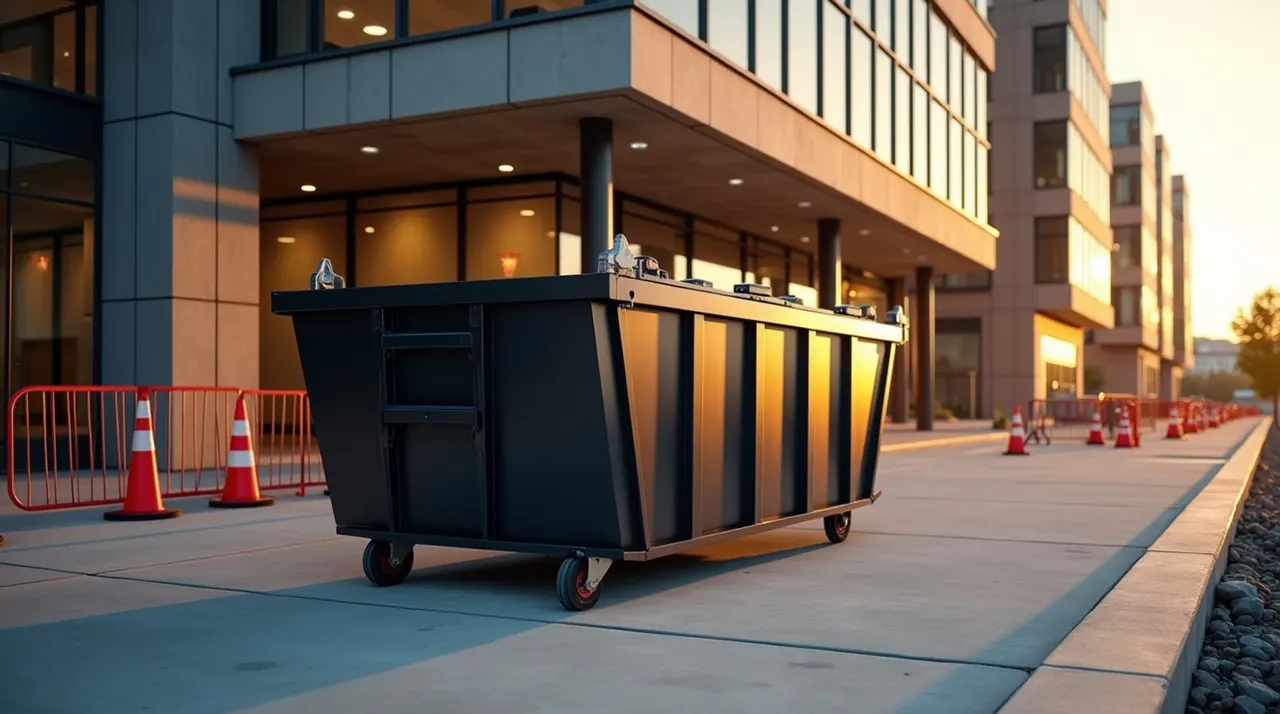
When planning any construction project—whether it’s a full-home renovation, a commercial buildout, or a major landscaping overhaul—one of the most overlooked parts of the process is understanding the regulations surrounding construction dumpster rentals. While roll-off dumpsters make debris management far more efficient, they also come with rules that contractors, homeowners, and site managers must follow. Staying compliant prevents delays, fines, and safety issues throughout the project.
Local Permits May Be Required
Many cities and municipalities require permits for placing a construction dumpster on public property, such as a street, sidewalk, or alley. The permitting process can vary widely depending on the region. Some areas require simple online applications, while others may require site inspections or notifications to neighboring properties. Before scheduling delivery of a construction dumpster rental, it’s important to review local codes or check with the city’s public works or transportation department.
Waste Restrictions and Prohibited Materials
Not all construction debris can be thrown into the same dumpster. Regulations often restrict materials such as hazardous chemicals, oils, asbestos, flammable liquids, and certain electronics. Even items that seem harmless—like old paint cans or treated wood—may have disposal rules that vary by state. Understanding what can safely go into a construction dumpster rental ensures proper sorting and prevents contamination or additional disposal fees.
Weight Limits and Load Restrictions
Construction debris such as concrete, roofing shingles, and flooring materials can add up in weight quickly. Most dumpsters have strict weight limits based on local landfill or transfer station regulations. Overloading a dumpster can lead to additional charges or require debris to be removed before hauling. For concrete or masonry-heavy projects, specialized dumpsters or weight-specific rental guidelines may apply.
Proper Placement and Accessibility
Local guidelines often dictate where a dumpster can be placed to ensure emergency access and traffic flow. For example, the unit may need to be positioned a certain distance from fire hydrants or intersections. Some areas require reflective markings, safety cones, or lighting if the dumpster is placed roadside. These rules help keep job sites safe and visible, especially in busy neighborhoods or commercial zones.
Environmental and Recycling Requirements
Increasingly, municipalities are adopting rules that require a certain percentage of construction waste to be recycled. This is especially common in areas focused on sustainability or where landfill space is limited. Contractors may need to separate materials such as metal, concrete, or wood before disposal. Using a construction dumpster rental that aligns with local recycling goals can help streamline compliance and documentation.
Time Limits for Dumpster Use
Some regions impose time limits on how long a construction dumpster can remain on-site, particularly if it’s located on public property. If a project runs longer than expected, extensions or renewed permits may be necessary. Ignoring these rules can lead to fines or forced removal.
Understanding the regulations surrounding construction dumpster rentals is essential for maintaining a safe, compliant, and efficient worksite. By planning ahead and reviewing local requirements, contractors and property owners can keep their projects running smoothly and avoid unnecessary setbacks—no matter the size or scope of the job.
