


Published on: September 6, 2025 | Updated on: September 6, 2025
This ultimate guide will show you exactly how to clean stainless steel jewelry, using simple household items to restore its shine and remove tarnish, ensuring your favorite pieces look as good as new.
Stainless steel jewelry has become a popular choice for many due to its durability, affordability, and resistance to tarnishing. However, even this robust material can accumulate dirt, oils, and grime over time, dulling its natural luster. If you’ve found yourself wondering, “How do I clean stainless steel jewelry?” you’re not alone. This guide is designed to provide you with comprehensive, easy-to-follow methods to bring back the sparkle to your cherished pieces, using readily available household items. We’ll cover everything from gentle everyday cleaning to tackling tougher build-ups, ensuring your stainless steel accessories remain a timeless addition to your collection.
Why Your Stainless Steel Jewelry Needs Cleaning
Your stainless steel jewelry, though tough, isn’t immune to the elements and daily wear. Over time, it can accumulate a dull film from skin oils, lotions, perfumes, and environmental pollutants. This build-up can obscure the metal’s natural shine and even lead to minor discoloration in some cases. Regular cleaning is key to maintaining its aesthetic appeal and longevity.
Understanding Stainless Steel and Its Care Needs
Stainless steel is an alloy of iron, chromium, nickel, and other elements, which gives it its characteristic resistance to rust and corrosion. This makes it a fantastic material for jewelry, as it generally requires less maintenance than sterling silver or plated metals. However, “stainless” doesn’t mean “stain-proof.” While it won’t tarnish in the traditional sense, it can still gather surface grime that dulls its gleam.
Essential Tools and Supplies for Cleaning Stainless Steel Jewelry
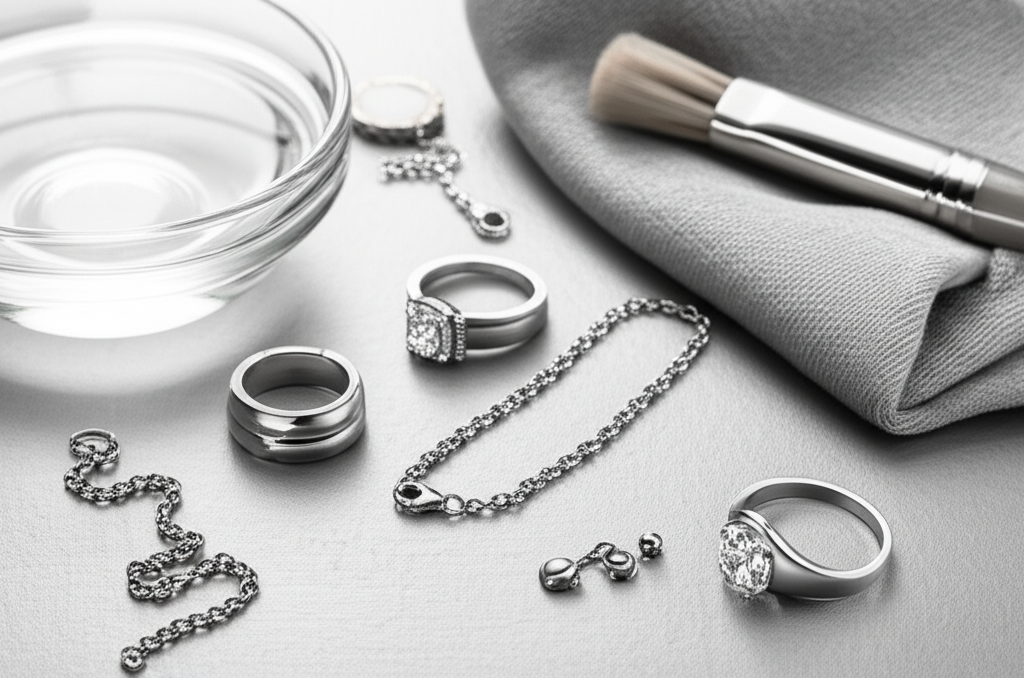
Gathering the right supplies is the first step in effectively cleaning your stainless steel jewelry. You likely have most of these items already in your home, making this process incredibly accessible.
What You’ll Need:

Soft Cloths: Microfiber cloths are ideal, but any soft, lint-free cloth will work. Avoid abrasive materials like paper towels or rough rags that can scratch the metal.
Mild Dish Soap: A gentle, non-abrasive dish soap is perfect for cutting through grease and grime.
Warm Water: This helps to loosen dirt and activate the soap.
Soft-Bristled Brush: An old toothbrush or a dedicated jewelry brush works well for reaching crevices.
Optional Cleaning Agents: Depending on the level of dirt, you might consider baking soda, toothpaste (non-gel, non-whitening), or specialized stainless steel jewelry cleaners.
Bowl: For soaking your jewelry if needed.
Having these simple items on hand means you can tackle cleaning your stainless steel jewelry whenever it needs a refresh.
The Gentle Everyday Clean: How Do I Clean Stainless Steel Jewelry with Soap and Water?
For regular maintenance and to remove everyday oils and dirt, a simple soap and water solution is highly effective. This method is safe for most stainless steel jewelry and won’t damage delicate components.
Step-by-Step Gentle Cleaning:
1. Prepare the Solution: Fill a small bowl with warm water and add a few drops of mild dish soap.
2. Soak Briefly: Place your stainless steel jewelry in the soapy water for a few minutes to loosen any surface grime.
3. Gentle Scrubbing: Use a soft-bristled brush or your fingertip to gently scrub the jewelry, paying attention to any textured areas or crevices.
4. Rinse Thoroughly: Rinse the jewelry under cool, running water to remove all soap residue.
5. Dry Completely: Pat the jewelry dry with a soft, lint-free cloth. Ensure it’s completely dry to prevent water spots.
This routine cleaning will keep your stainless steel jewelry looking its best with minimal effort.
Tackling Stubborn Grime: The Baking Soda Paste Method
When everyday wear leaves a more stubborn layer of grime or dullness, a baking soda paste can work wonders. Baking soda is a mild abrasive that can lift dirt without scratching the stainless steel, restoring its original shine.
Creating and Using the Baking Soda Paste:
1. Make the Paste: Mix baking soda with a small amount of water in a bowl to create a thick paste, similar in consistency to toothpaste.
2. Apply the Paste: Gently apply the paste to your stainless steel jewelry using your finger or a soft cloth.
3. Gentle Rubbing: Rub the paste onto the jewelry in a circular motion, focusing on areas with visible dirt or dullness.
4. Rinse and Dry: Rinse the jewelry thoroughly under warm water and dry it completely with a soft cloth.
This method is excellent for removing tougher build-up and revitalizing the shine of your stainless steel pieces.
Alternative Cleaning Solutions: Toothpaste and Other Household Hacks
While dish soap and baking soda are primary choices, other common household items can also be used with caution. These methods can be effective but require a bit more care to ensure they don’t damage your jewelry.
Using Toothpaste (Non-Gel, Non-Whitening):
A small amount of non-gel, non-whitening toothpaste can act as a mild abrasive to polish stainless steel. Apply a tiny dab to a soft cloth and gently rub the jewelry. Rinse thoroughly and dry.
Ammonia-Based Cleaners (Use with Extreme Caution):
Some sources suggest a very diluted ammonia solution for deep cleaning. However, ammonia can be harsh and may damage certain finishes or if the jewelry contains other materials. If you choose this route, dilute heavily with water and rinse immediately and thoroughly.
Important Note on Harsh Chemicals:
Avoid using harsh chemicals like bleach, acetone, or abrasive scouring pads, as these can permanently damage the finish of your stainless steel jewelry. Always test any new cleaning method on an inconspicuous area first.
Deep Cleaning for Heavily Soiled Jewelry
For pieces that haven’t been cleaned in a long time or have seen significant exposure to dirt, a more thorough approach might be necessary. This often involves a slightly longer soak and a more detailed cleaning process.
Steps for Deep Cleaning:
1.
Initial Wash: Begin with the gentle soap and water wash to remove loose debris.
2. Soaking: If the jewelry is still dull, soak it in a solution of warm water and a bit more dish soap for 15-30 minutes.
3. Detailed Scrubbing: Use a soft-bristled toothbrush to carefully scrub all surfaces, including intricate details, clasps, and links.
4. Rinse and Inspect: Rinse the jewelry thoroughly. If stubborn spots remain, you can repeat the baking soda paste method on those specific areas.
5. Final Rinse and Dry: Ensure all cleaning agents are removed by rinsing, then dry completely with a soft cloth.
A deep clean can restore even heavily soiled stainless steel jewelry to its former glory.
Polishing Your Stainless Steel Jewelry for Extra Shine
Once your jewelry is clean, a gentle polishing step can enhance its shine and make it look brand new. This process buffs away any microscopic imperfections and brings out the metal’s natural luster.
Polishing Techniques:
Microfiber Cloth Buffing: After drying, vigorously buff the jewelry with a clean, dry microfiber cloth. This simple action can significantly increase its shine.
Specialized Jewelry Polishes: For an extra boost, you can use a polish specifically designed for stainless steel jewelry. Apply a small amount to a soft cloth and rub gently. Always follow the product instructions and rinse if recommended.
Olive Oil (for a subtle sheen): A tiny drop of olive oil on a cloth can be used to buff stainless steel for a subtle, healthy sheen. Wipe away any excess oil afterward.
Polishing is the final touch that truly makes your stainless steel jewelry sparkle.
Understanding What to Avoid When Cleaning Stainless Steel Jewelry
Just as important as knowing how to clean is understanding what not to do. Certain substances and tools can cause irreversible damage to your stainless steel pieces, so it’s crucial to be aware of these pitfalls.
Common Mistakes to Avoid:
Abrasive Cleaners: Avoid scouring powders, steel wool, or abrasive sponges. These will scratch the surface.
Harsh Chemicals: Bleach, ammonia (undiluted), chlorine, and strong acids can discolor or pit the metal.
Ultrasonic Cleaners (with caution): While some fine jewelry can be cleaned ultrasonically, it’s best to avoid this for stainless steel unless specifically recommended by the manufacturer, as it can loosen settings or damage plated components if present.
Rough Cloths: Paper towels, tissues, or rough fabrics can leave micro-scratches.
Leaving it Wet: Always dry your jewelry completely after cleaning to prevent water spots.
Avoiding these common errors will help preserve the beauty and integrity of your stainless steel jewelry for years to come.
When to Consider Professional Cleaning or Repair
While most stainless steel jewelry can be effectively cleaned at home, there are times when professional help is the best option. This is particularly true for pieces with intricate designs, gemstones, or if you’re unsure about the material.
Signs You Need Professional Help:
Gemstone Settings: If your jewelry features diamonds, pearls, or other stones, professional cleaning is often recommended to avoid damaging the stones or their settings.
Complex Designs: Intricate filigree, enamel work, or mixed-metal designs may require specialized tools and expertise.
Deep Scratches or Dents: Home cleaning methods won’t fix physical damage like deep scratches or dents. A jeweler can often polish these out.
Discoloration You Can’t Identify: If you notice significant discoloration that doesn’t respond to gentle cleaning, it might indicate an issue with the metal alloy or a reaction to a harsh substance.
* Valuable Pieces:** For expensive or sentimental pieces, it’s always wise to err on the side of caution and consult a professional.
A qualified jeweler can safely clean and restore your treasured stainless steel pieces, ensuring they are handled with the utmost care.
Frequently Asked Questions About Cleaning Stainless Steel Jewelry
Here are answers to common questions about how to clean stainless steel jewelry, helping you maintain its brilliance with confidence.
Q1: Will cleaning damage my stainless steel jewelry?
A1: When using gentle methods like mild soap, warm water, and soft cloths, it’s very unlikely to cause damage. Avoid abrasive materials and harsh chemicals to ensure safety.
Q2: How often should I clean my stainless steel jewelry?
A2: For everyday wear, a quick wipe-down with a soft cloth after removing it is often enough. A more thorough soap-and-water clean can be done weekly or monthly, depending on wear and exposure to the elements.
Q3: Can I use an ultrasonic cleaner for my stainless steel jewelry?
A3: Generally, it’s best to avoid ultrasonic cleaners for stainless steel jewelry unless the manufacturer specifically states it’s safe. They can sometimes loosen settings or damage plated components if present.
Q4: My stainless steel jewelry has a matte finish. How do I clean it?
A4: For matte finishes, use the gentlest methods. A mild soap and water solution with a very soft cloth is best. Avoid polishing techniques that create a high shine, as this can alter the matte appearance.
Q5: Is it okay to wear stainless steel jewelry in the shower or pool?
A5: While stainless steel is resistant to rust, prolonged exposure to chemicals in pools (chlorine) or soaps in showers can dull its finish over time. It’s best to remove your jewelry before swimming or showering to maintain its luster.
Q6: What is the best way to remove tarnish from stainless steel jewelry?
A6: Stainless steel doesn’t truly tarnish like silver. What appears as tarnish is usually a build-up of dirt, oils, or grime. The methods described above, especially the baking soda paste or a good soap-and-water wash, are excellent for removing this surface dullness.
Conclusion: Keeping Your Stainless Steel Jewelry Sparkling
Caring for your stainless steel jewelry doesn’t require a complex routine or expensive products. By understanding how to clean stainless steel jewelry using simple household items like mild dish soap, warm water, and soft cloths, you can easily maintain its shine and durability. Remember to be gentle, avoid harsh abrasives and chemicals, and always dry your pieces thoroughly. Whether you opt for a quick daily wipe-down or a more thorough cleaning session with baking soda paste, consistent care will ensure your stainless steel accessories remain a beautiful and cherished part of your collection for years to come. With these straightforward methods, you can confidently keep your stainless steel jewelry looking as radiant as the day you bought it.
