


Published on: September 10, 2025 | Updated on: September 10, 2025
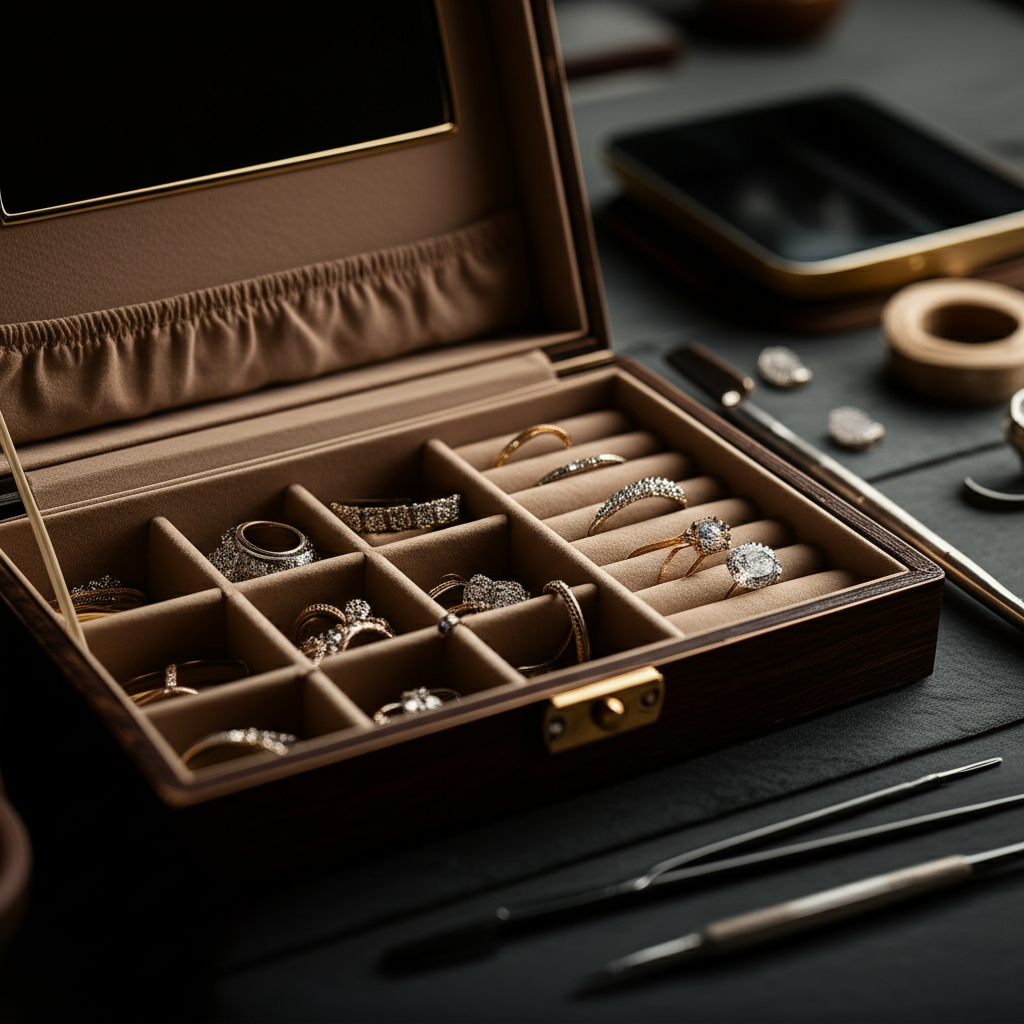
This guide reveals the best ways to clean jewelry box felt, tackling dust, debris, and stains effortlessly to keep your cherished pieces safe and your boxes looking pristine. Discover simple, effective methods perfect for any DIY enthusiast or homeowner.
Your jewelry box is more than just a storage container; it’s a sanctuary for your precious adornments. Over time, however, the soft felt lining can accumulate dust, stray hairs, and even minor stains, dulling its appeal and potentially tarnishing your jewelry. Don’t worry, keeping it fresh and clean is simpler than you might think. I’m here to walk you through the most effective and effortless methods. Let’s get your jewelry box looking its best and protecting your treasures.
Why Cleaning Your Jewelry Box Felt Matters
Keeping your jewelry box felt clean is crucial for preserving the beauty and integrity of your jewelry. Dust and debris can scratch delicate surfaces, while accumulated oils and residues can contribute to tarnishing. A clean felt lining ensures a safe, protective environment for your valuable pieces, maintaining their shine and preventing damage.
A clean jewelry box not only looks better but also actively protects your investment in jewelry. It’s a small maintenance task that yields significant benefits for the longevity of your treasured items.
The Accumulation Challenge: Dust, Debris, and Stains

Over time, the soft fibers of your jewelry box lining become magnets for dust motes dancing in the air. Tiny particles of lint, hair from pets or yourself, and even makeup residue can settle deep into the felt. This accumulation isn’t just unsightly; it can create a slightly abrasive surface that dulls your jewelry’s gleam.
Minor spills or contact with lotions can also lead to stubborn stains. These blemishes can be particularly frustrating, making your once-elegant jewelry box look neglected and worn. Addressing these issues promptly is key to maintaining its condition.
Essential Tools for Cleaning Jewelry Box Felt
Gathering the right tools makes the cleaning process smooth and effective. You don’t need specialized equipment; common household items will do the trick. Having these ready will ensure you can tackle any mess your jewelry box might encounter.
Here’s a list of what you’ll likely need:
Soft-bristle brush: An old toothbrush or a dedicated soft brush works wonders for dislodging dust.
Lint roller: Excellent for quickly picking up surface debris and hair.
Vacuum cleaner with a brush attachment: For deeper cleaning and stubborn particles.
Microfiber cloths: Gentle and effective for wiping and absorbing moisture.
Mild soap or specialized felt cleaner: For tackling stains.
Cotton swabs or pads: For targeted stain removal.
* Distilled water: To avoid mineral deposits when damp cleaning.
Having these at hand means you’re prepared for anything, from a light dusting to tackling a more persistent spill.
Step-by-Step Guide: How to Clean Jewelry Box Felt
Cleaning your jewelry box felt doesn’t have to be a chore. With a methodical approach, you can restore its pristine condition. Follow these steps for a thorough and gentle clean that respects the delicate nature of the felt.
Let’s break down the process into manageable actions.
Step 1: Empty and Inspect Your Jewelry Box
Before you start cleaning, carefully remove all jewelry. This is also the perfect opportunity to inspect each piece for any necessary polishing or repairs. Lay your jewelry out on a soft cloth to prevent scratches and keep track of your items.
Examine the felt lining closely for any visible dust, debris, or stains. Note the areas that require the most attention. This initial inspection helps tailor your cleaning approach.
Step 2: Dry Dusting and Debris Removal
Begin with dry methods to remove loose particles. Use a soft-bristle brush to gently sweep dust and crumbs towards the edges of the box. Work in one direction to avoid pushing debris deeper into the felt.
For more stubborn surface debris like hair or lint, a lint roller is incredibly effective. Roll it gently over the felt surface, pressing lightly to lift away particles. Repeat as needed until the surface is clear of loose matter.
Step 3: Vacuuming for Deeper Cleaning
If dry brushing and lint rolling haven’t removed all the grit, a vacuum cleaner with a brush attachment is your next best friend. Use the lowest suction setting to avoid damaging the felt fibers. Gently vacuum the entire interior of the jewelry box, paying close attention to corners and crevices.
This step is particularly useful for removing finer dust particles that may be embedded. Ensure the brush attachment is clean before using it on your felt.
Step 4: Spot Cleaning Stains with Care
For minor stains, a targeted approach is best. Dampen a clean microfiber cloth or cotton swab with a solution of mild soap and distilled water. Gently dab the stained area, working from the outside of the stain inward. Avoid vigorous scrubbing, which can spread the stain or damage the felt.
For tougher stains, consider a specialized felt cleaner. Always test any cleaning solution on an inconspicuous area first to ensure it doesn’t discolor the felt. This careful approach prevents further damage.
Step 5: Damp Cleaning (If Necessary)
If there are general areas of dinginess rather than specific stains, you might need to do some light damp cleaning. Mix a very small amount of mild detergent with distilled water. Dampen a clean microfiber cloth (wring it out thoroughly so it’s just barely damp) and gently wipe the felt.
Use a second, dry microfiber cloth to blot away any excess moisture. It’s crucial to avoid over-wetting the felt, as this can lead to mold or damage the box structure. Ensure thorough air drying.
Step 6: Thorough Drying and Airing Out
After any damp cleaning, proper drying is essential. Leave the jewelry box open in a well-ventilated area, away from direct sunlight or heat sources. You can place a fan nearby on a low setting to speed up the process.
Ensure the felt is completely dry before returning your jewelry. This might take several hours or even overnight, depending on humidity levels. Proper drying prevents musty odors and potential mold growth.
Step 7: Final Touches and Reorganization
Once the felt is completely dry, give it one last gentle brush to restore its texture. Carefully place your jewelry back into its rightful place. Consider reorganizing your pieces to prevent tangling and to make them easily accessible.
A clean jewelry box makes finding and wearing your favorite pieces a pleasure. Enjoy the refreshed look and feel of your well-maintained jewelry storage.
Dealing with Specific Types of Jewelry Box Felt
Jewelry boxes come in various styles and materials, and the felt lining can differ too. Understanding the type of felt you have can help you choose the most effective cleaning method. Some felts are more delicate than others, requiring extra gentle handling.
Here’s a look at common felt types and how to approach their cleaning.
Velvet-Lined Boxes
Velvet is a luxurious fabric that often lines high-end jewelry boxes. Its plush texture can trap dust easily. For velvet-lined boxes, use a soft-bristle brush or a suede brush to gently lift dust and debris.
Avoid using water unless absolutely necessary, and then only with a very lightly dampened cloth and mild soap. Always blot, never rub, and ensure complete air drying. The key is extreme gentleness to preserve the pile.
Standard Felt Linings
Most jewelry boxes feature a standard synthetic or wool-blend felt. This type is generally more durable and forgiving. You can typically use a lint roller, a soft brush, and even a vacuum with a brush attachment quite effectively.
For stains, a mild soap and water solution is usually safe. Always test in an inconspicuous area first. These linings are designed for regular use and a bit more robust cleaning.
Suede or Faux Suede Linings
Suede and faux suede can be sensitive to moisture and harsh chemicals. A suede brush or a soft toothbrush is ideal for removing surface dust and lifting the nap. For stains, specialized suede cleaners are often the safest bet.
Always follow the product instructions carefully and test on a hidden spot. If in doubt, it’s better to consult a professional cleaner for valuable boxes.
Advanced Techniques and Natural Cleaning Solutions
For those who prefer natural methods or face tougher challenges, there are alternative ways to clean your jewelry box felt. These techniques often rely on common household ingredients and a gentle touch. They can be just as effective as commercial cleaners.
Exploring these options can provide tailored solutions for specific cleaning needs.
Using Baking Soda for Odors and Stains
Baking soda is a fantastic natural deodorizer and a mild abrasive. For musty odors, sprinkle a thin layer of baking soda inside the dry jewelry box and let it sit overnight. Then, vacuum it out thoroughly.
For light stains, you can create a paste of baking soda and water. Apply it carefully to the stain, let it dry, and then gently brush or vacuum it away. Always test this paste on a small, hidden area first.
Vinegar as a Mild Disinfectant and Stain Remover
A diluted vinegar solution can help tackle some stains and act as a mild disinfectant. Mix equal parts white vinegar and distilled water. Lightly dampen a cloth with this solution and gently dab at stains.
Be sure to rinse the area with a cloth dampened only with distilled water afterward, and allow it to dry completely. Vinegar’s acidity can be effective, but it should be used sparingly and tested first.
The Power of a Steamer (with Caution)
For refreshing deeply embedded odors or loosening stubborn dirt, a handheld garment steamer can be surprisingly effective. Hold the steamer a few inches away from the felt and gently steam the surface. This can help lift dust and kill some odor-causing bacteria.
Immediately after steaming, use a soft brush to sweep away loosened debris. Ensure the felt dries completely afterward. This method requires caution to avoid over-saturating the felt.
Preventative Measures: Keeping Your Jewelry Box Felt Clean Longer
The best way to manage cleaning is to prevent dirt and stains from accumulating in the first place. A few simple habits can significantly extend the time between deep cleans. Proactive care is always easier than reactive cleaning.
Implementing these preventative strategies will keep your jewelry box looking its best.
Regular Dusting and Wiping
Make it a habit to give your jewelry box a quick once-over weekly. Use a soft brush or a dry microfiber cloth to wipe away any surface dust. This prevents dust from settling deep into the fibers.
A quick wipe-down ensures that minor accumulations don’t become major cleaning challenges. This simple routine saves a lot of effort in the long run.
Protecting Against Spills and Moisture
Be mindful of where you place your jewelry box. Avoid areas prone to moisture or spills, like bathrooms or kitchens. If you apply lotions or perfumes, allow them to dry completely before handling your jewelry or placing it back in the box.
Consider using small, individual pouches or wraps for particularly delicate or valuable pieces. This adds an extra layer of protection against oils and moisture.
Using Inner Liners or Trays
For added protection, consider using removable trays or liners within your jewelry box. These can be made of felt, fabric, or even plastic. They act as a barrier between your jewelry and the box’s main lining.
These liners can often be removed and cleaned or replaced more easily than the box’s permanent lining. This is an excellent solution for boxes that see heavy use.
Proper Jewelry Storage Practices
Store your jewelry properly within the box to minimize friction and potential damage. Avoid overcrowding. Ensure necklaces are not tangled and earrings are stored in their designated compartments.
This not only protects your jewelry but also makes it easier to remove and replace items without dragging them across the felt. Well-organized jewelry means less wear and tear on the lining.
When to Seek Professional Cleaning or Replacement
While most jewelry box felt can be cleaned at home, there are times when professional help or even replacement is the best option. If your jewelry box is antique, made of very delicate materials, or has extensive damage, professional care might be necessary.
Knowing when to call in the experts or consider a new box can save you from causing irreparable harm.
Antique or Valuable Jewelry Boxes
For antique or exceptionally valuable jewelry boxes, the felt lining might be original and irreplaceable. In such cases, attempting to clean it yourself could significantly diminish its value. Professional antique restoration services often have specialized knowledge and tools for handling such delicate items.
Consulting a professional conservator is the safest route to preserve the integrity and value of these special pieces. They can advise on the best course of action without risking damage.
Severe Stains or Damage
If you’re faced with deep-set, stubborn stains that don’t respond to gentle cleaning methods, or if the felt is torn, matted, or showing signs of wear, it might be time to consider professional repair or replacement. Some upholstery or fabric restoration specialists can reline jewelry boxes.
Attempting to aggressively clean severe damage can often make the situation worse. Assess the cost of professional relining versus purchasing a new box.
Replacing the Felt Lining
In some instances, especially with well-loved but less valuable boxes, replacing the felt lining might be the most practical solution. You can purchase felt fabric and adhesive from craft stores. With a bit of DIY skill, you can reline the interior yourself or hire a local upholstery shop to do it.
This breathes new life into an old favorite, ensuring your jewelry remains protected in a fresh, clean environment. It’s a rewarding project for the handy individual.
Frequently Asked Questions (FAQ)
Can I use a washing machine to clean my jewelry box felt?
No, absolutely not. A washing machine is far too harsh for delicate felt and could destroy the structure of your jewelry box. Always use gentle, manual cleaning methods.
How often should I clean my jewelry box felt?
This depends on your environment and usage. A light dusting weekly is ideal. A more thorough cleaning might be needed every 3-6 months, or whenever you notice significant dust or a stain.
Will water damage the felt or the jewelry box?
Excessive water can damage felt by causing it to shrink, warp, or develop mold. Always use as little moisture as possible and ensure thorough drying. Use distilled water to prevent mineral stains.
Are there any specific cleaners I should avoid?
Yes, avoid harsh chemicals like bleach, ammonia, or strong solvents. These can discolor or degrade the felt fibers. Stick to mild soaps, specialized cleaners, or natural solutions tested first.
What if the felt is shedding?
Shedding can indicate age or damage. For minor shedding, a soft brush or gentle vacuuming might help. If shedding is severe, it might be time to consider relining the box.
Can I use a hairdryer to dry the felt?
It’s best to avoid direct heat from a hairdryer, as it can damage the fibers. Air drying in a well-ventilated area is the safest method. A fan can help speed up the process without direct heat.
Conclusion: A Pristine Sanctuary for Your Treasures
Keeping your jewelry box felt clean is an essential part of jewelry care. By following these straightforward methods, you can effortlessly remove dust, debris, and minor stains, ensuring your cherished pieces are always stored in a pristine and protective environment. Remember that regular light maintenance is key to preventing bigger issues down the line.
From simple dry dusting with a soft brush to careful spot cleaning with mild solutions, these techniques are designed to be gentle yet effective. A clean jewelry box not only enhances the beauty of your collection but also safeguards its value. You’ve learned how to clean jewelry box felt with ease, ensuring a sparkling home for your sparkle.
