


Published on: September 9, 2025 | Updated on: September 9, 2025
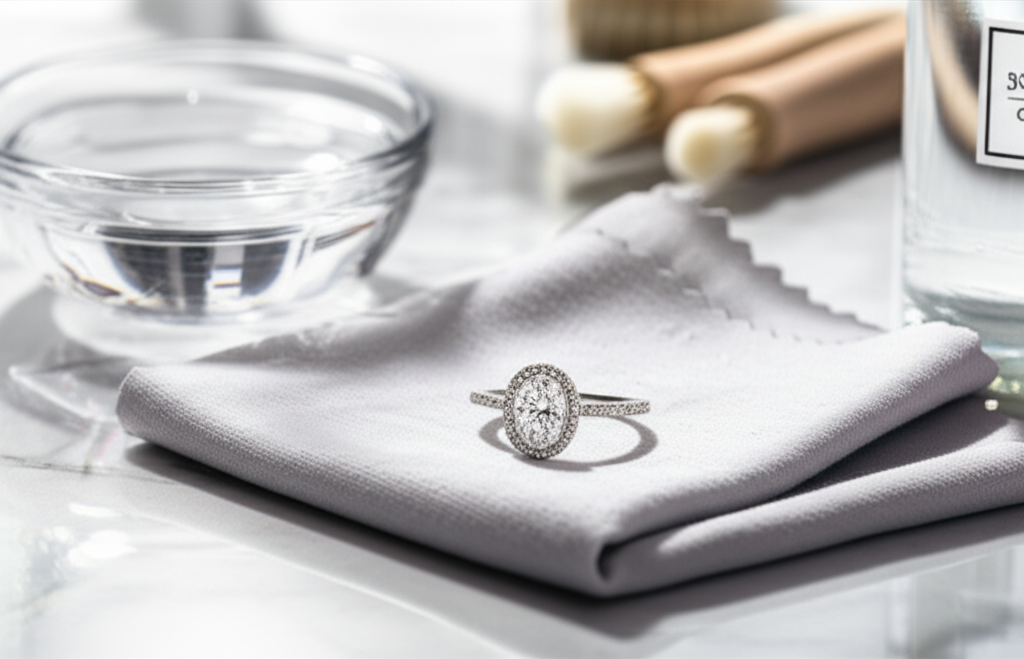
Discover the secrets to making your cherished rings sparkle like new with these simple, effective home cleaning methods. Achieve that essential, effortless shine without a trip to the jeweler.
Ever glanced at your favorite ring, only to notice it’s lost its dazzling gleam? Don’t worry, it happens to the best of us! Daily wear, lotions, soaps, and even natural skin oils can build up, dulling the sparkle of your precious jewelry. But before you consider an expensive trip to the jeweler, know that you can restore that brilliant shine right in your own home. This guide will walk you through essential, effortless methods to clean rings at home, bringing back their original luster.
Contents
- 1 Why Your Rings Lose Their Shine
- 2 Essential Tools and Supplies for Home Ring Cleaning
- 3 The Gentle Dish Soap Method: Your Go-To for Everyday Sparkle
- 4 Tackling Tougher Grime with Ammonia or Rubbing Alcohol
- 5 Cleaning Specific Metals: Gold, Silver, and Platinum Care
- 6 Gemstone-Specific Cleaning Tips: Keeping Your Sparklers Bright
- 7 Beyond the Basics: Advanced Cleaning Techniques and When to Seek Professional Help
- 8 Preventing Future Grime: Tips for Keeping Your Rings Clean Longer
- 9 DIY Ring Cleaning Recipes and Their Effectiveness
- 10 Common Mistakes to Avoid When Cleaning Rings at Home
- 11 Frequently Asked Questions About Cleaning Rings at Home
- 12 Conclusion: Effortless Shine is Within Reach
- 13 Author
Why Your Rings Lose Their Shine
Over time, the intricate details and precious metals of your rings can become obscured by a film of grime. This buildup isn’t just unsightly; it can also hide the true beauty of your gemstones and the lustrous finish of the metal. Understanding what causes this dullness is the first step to combating it effectively.
Essential Tools and Supplies for Home Ring Cleaning
Gathering the right tools makes the process smooth and effective. You likely already have most of these items in your home, making this an accessible solution for everyone. Having these on hand ensures you’re prepared to tackle any ring cleaning task.
Common Household Items You’ll Need

Mild Dish Soap: A gentle, grease-cutting soap is your best friend for everyday cleaning. Look for brands free of harsh chemicals or moisturizers.
Warm Water: The perfect temperature to loosen dirt and grime without damaging your jewelry.
Soft Bristle Brush: An old, soft toothbrush is ideal for gently scrubbing intricate settings and under stones.
Lint-Free Cloth: Microfiber cloths are excellent for drying and polishing without scratching.
Small Bowl: For soaking your rings safely.
Optional but Helpful Additions
Ammonia-Based Cleaner: For tougher grime on certain metals and stones (use with caution and proper ventilation).
Rubbing Alcohol: Effective for disinfecting and removing stubborn residues.
Cotton Swabs: Useful for reaching tight spots.
Jewelry Polishing Cloth: Specifically designed to buff and shine precious metals.
The Gentle Dish Soap Method: Your Go-To for Everyday Sparkle
This is the safest and most effective method for most types of rings, especially those with diamonds or softer gemstones. It’s your first line of defense against everyday dullness. Following these simple steps will bring back a significant amount of your ring’s original brilliance.
Step-by-Step Guide to Dish Soap Cleaning
1. Prepare the Solution: Fill a small bowl with warm water and add a few drops of mild dish soap. Stir gently to create a mild, soapy solution.
2. Soak Your Ring: Place your ring in the soapy water and let it soak for about 20-40 minutes. This helps to loosen any accumulated dirt and oils.
3. Gentle Scrubbing: Using a soft-bristled toothbrush, gently scrub the ring. Pay close attention to the setting, the underside of the stones, and any crevices where dirt might hide.
4. Rinse Thoroughly: Rinse your ring under warm running water. Ensure all soap residue is washed away to prevent spotting.
5. Dry and Buff: Gently pat your ring dry with a soft, lint-free cloth. For an extra shine, buff it with a clean microfiber cloth.
This method is incredibly effective for removing daily buildup without risking damage to your jewelry. It’s a quick win for keeping your rings looking their best.
Tackling Tougher Grime with Ammonia or Rubbing Alcohol
For rings that have seen tougher days or have stubborn residues, ammonia or rubbing alcohol can be more potent solutions. These cleaners are excellent at breaking down grease and grime, but they require a bit more caution. Always ensure good ventilation when using these stronger agents.
When to Use Ammonia or Rubbing Alcohol
Ammonia is particularly effective for cleaning diamonds and sapphires, as it cuts through oily residues. Rubbing alcohol can also disinfect and remove stubborn films from metal and most gemstones. However, these are not suitable for all jewelry types.
Important Cautions Before You Start
Know Your Stones: Never use ammonia or alcohol on pearls, opals, coral, turquoise, or emeralds, as these porous or treated gemstones can be damaged.
Ventilation is Key: Always use these cleaners in a well-ventilated area.
Avoid Mixing: Never mix ammonia with other cleaning agents, especially bleach, as this can create dangerous fumes.
Rinse Well: Thorough rinsing is crucial after using these stronger cleaners.
The Ammonia Cleaning Process
1. Dilute the Ammonia: Mix one part ammonia with six parts warm water in a small bowl.
2. Soak Briefly: Submerge your ring in the solution for no more than 10 minutes.
3. Scrub and Rinse: Use a soft toothbrush to gently scrub, then rinse thoroughly under warm water.
4. Dry and Polish: Pat dry with a lint-free cloth and buff for shine.
The Rubbing Alcohol Cleaning Process
1. Prepare the Solution: You can use rubbing alcohol directly or dilute it slightly with water.
2. Soak or Wipe: Soak the ring for a few minutes, or use a cotton swab dipped in alcohol to clean specific areas.
3. Rinse and Dry: Rinse well with water and dry with a soft cloth.
Using these stronger cleaners can revive rings that seem beyond hope, but always prioritize the safety of your gemstones.
Cleaning Specific Metals: Gold, Silver, and Platinum Care
Different metals require different approaches to cleaning to maintain their integrity and shine. While the general methods work for most, knowing the specifics for your metal type can prevent damage. Proper care ensures your precious metals remain beautiful for years to come.
Caring for Gold Rings
Gold is relatively durable but can be scratched or tarnished over time, especially lower karat gold (e.g., 10K or 14K) which contains more alloy metals. The dish soap method is usually sufficient for regular cleaning. For stubborn tarnish on yellow gold, a mild commercial gold cleaner can be used, following its instructions carefully.
Restoring Shine to Silver Rings
Silver is prone to tarnishing, a chemical reaction that creates a dark, dull layer. For light tarnish, the dish soap method can help. For more significant tarnish, a silver polishing cloth or a paste made from baking soda and water can be effective. Avoid harsh abrasives that can scratch the silver. A dip in a commercial silver cleaner can also work wonders, but use sparingly.
Polishing Platinum Rings
Platinum is a very dense and durable metal, making it resistant to tarnish and corrosion. However, it can develop a patina over time from microscopic scratches. Regular cleaning with mild dish soap and a soft brush is ideal. For deeper scratches or to restore a high polish, professional polishing might be necessary, as platinum is harder to work with than gold.
Understanding the unique properties of your ring’s metal is key to cleaning it effectively and safely. Always err on the side of caution with softer metals or plated jewelry.
Gemstone-Specific Cleaning Tips: Keeping Your Sparklers Bright
While the metal is important, the gemstones are often the stars of the show. Different stones have varying levels of hardness and porosity, meaning they require tailored cleaning techniques to avoid damage. Protecting your precious and semi-precious stones is paramount.
Diamonds: The Power of Soap and Water
Diamonds are incredibly hard and durable, making them easy to clean. The mild dish soap method is perfect for removing the oily film that dulls their sparkle. For deep cleaning, a soak in an ammonia-based solution (as described earlier) is also very effective, but always rinse thoroughly.
Emeralds, Pearls, and Opals: Handle with Extreme Care
These beautiful but delicate stones require a much gentler approach.
Emeralds: These are relatively soft and often treated with oil to fill fractures. Avoid ultrasonic cleaners, steam, and harsh chemicals like ammonia or alcohol. A gentle wipe with a damp cloth and mild soap, followed by a rinse and thorough drying, is the safest bet.
Pearls: Pearls are organic and very porous, easily damaged by acids, alcohol, and even excessive water. Wipe them gently with a soft, damp cloth after wearing. If necessary, use a slightly soapy water solution and rinse immediately. Never soak pearls.
Opals: Opals have a high water content and can be damaged by rapid temperature changes or harsh chemicals. Clean them with a soft, damp cloth and mild soap. Avoid soaking and ultrasonic cleaners.
Sapphires and Rubies: Generally Robust
These corundum-based gemstones are very hard and can tolerate most cleaning methods, including the dish soap, ammonia, or rubbing alcohol solutions. However, it’s always wise to check if the stone has undergone any treatments, as this might influence the cleaning method.
Always research your specific gemstone if you’re unsure about its properties and recommended cleaning methods. When in doubt, stick to the gentlest approach.
Beyond the Basics: Advanced Cleaning Techniques and When to Seek Professional Help
While home cleaning methods are excellent for routine maintenance, some situations call for more specialized care or professional intervention. Knowing your limits can save your treasured pieces from accidental damage. Trusting a professional ensures the best care for valuable or intricately designed jewelry.
Ultrasonic Cleaners: A Powerful Option (Use with Caution)
Ultrasonic cleaners use high-frequency sound waves to create tiny bubbles that scrub away dirt. They can be very effective for removing stubborn grime from durable jewelry. However, they are not suitable for rings with:
Softer Gemstones: Emeralds, opals, pearls, turquoise, coral.
Treated Stones: Stones that have been filled, dyed, or fractured.
Porous Metals: Some antique or plated items.
Loose Settings: The vibrations can dislodge stones.
If you choose to use an ultrasonic cleaner, always use a jewelry-specific cleaning solution and follow the manufacturer’s instructions precisely.
Professional Cleaning and Inspection
For valuable, antique, or intricately designed rings, professional cleaning is often the best option. Jewelers have specialized equipment and expertise to safely clean and inspect your jewelry. They can also check for loose prongs or other potential issues that home cleaning won’t reveal.
When to go to a jeweler:
Valuable Gemstones: Especially if they are delicate or treated.
Antique or Heirloom Jewelry: These pieces often require specialized care.
Loose Stones or Settings: A professional can secure them.
Deep Cleaning or Polishing: For a like-new finish.
Uncertainty: If you are unsure how to clean a particular piece.
A professional cleaning isn’t just about shine; it’s also about preserving the integrity and value of your ring.
Preventing Future Grime: Tips for Keeping Your Rings Clean Longer
The best way to keep your rings looking brilliant is to prevent excessive buildup in the first place. A few simple habits can significantly extend the time between deep cleans. Incorporating these practices into your daily routine makes a world of difference.
Daily Habits for Sparkle Maintenance
Remove Rings When Necessary: Take off your rings before doing household chores, gardening, swimming, applying lotions or hairspray, or engaging in activities that could cause damage or buildup.
Rinse After Exposure: If you can’t remove your ring, rinse it with plain water after exposure to soaps, lotions, or chemicals.
Wipe Down Regularly: A quick wipe with a soft cloth after wearing can remove surface oils and dirt.
Storage Matters
Separate Storage: Store your rings in separate compartments within a jewelry box to prevent scratching.
Avoid Humid Environments: Keep jewelry away from bathrooms or steamy rooms when not in use.
By being mindful of your rings throughout the day, you can significantly reduce the need for frequent, intensive cleaning.
DIY Ring Cleaning Recipes and Their Effectiveness
Sometimes, you might want to whip up a cleaning solution yourself. While commercial products are formulated for specific purposes, simple DIY recipes can be surprisingly effective for many common cleaning needs. Here are a couple of popular and generally safe DIY options.
Baking Soda Paste for Silver Tarnish
This is a classic for a reason. Baking soda is a mild abrasive that can gently lift tarnish without scratching, especially on silver.
Recipe:
1. Mix 1 tablespoon of baking soda with enough water to form a thick paste.
2. Apply the paste to your silver ring with a soft cloth or finger.
3. Gently rub the paste over the tarnished areas.
4. Rinse thoroughly with warm water and dry completely with a soft cloth.
Effectiveness: Highly effective for light to moderate silver tarnish. Be cautious with softer metals or plated items, as prolonged rubbing could potentially remove plating.
Hydrogen Peroxide and Baking Soda (Use with Extreme Caution)
Some DIY enthusiasts suggest a mixture of hydrogen peroxide and baking soda for a powerful clean. While it can be effective, it’s important to be aware of the risks.
Recipe:
1. Mix a small amount of baking soda with hydrogen peroxide to create a paste.
2. Apply sparingly to the ring.
3. Let it sit for a very short period (1-2 minutes).
4. Gently scrub with a soft brush.
5. Rinse very thoroughly and dry.
Effectiveness & Risks: This can brighten white gold and remove grime, but hydrogen peroxide is an oxidizer and can potentially affect certain alloys or gemstones if left on too long or used too frequently. It’s generally safer to stick to milder solutions unless you’re certain about your ring’s composition.
Always test any DIY solution on an inconspicuous area first, and when in doubt, opt for the proven mild dish soap method.
Common Mistakes to Avoid When Cleaning Rings at Home
Even with the best intentions, some common missteps can lead to damaged jewelry. Being aware of these pitfalls can help you avoid them and keep your rings safe. Protecting your precious items from accidental harm is just as important as cleaning them.
Harsh Chemicals and Abrasives
Using bleach, toothpaste, or abrasive scrubbing pads can scratch metals, damage gemstones, and strip protective coatings. Always opt for gentle, jewelry-safe cleaning agents.
Ignoring Gemstone Sensitivity
Not all gemstones are created equal. Cleaning an opal with ammonia or a pearl with soap and water can cause irreversible damage. Always identify your stones and research their specific cleaning needs.
Ultrasonic Cleaners on Delicate Items
As mentioned, ultrasonic cleaners are powerful tools but can be detrimental to delicate stones, treated gems, or pieces with loose settings. Use them only on appropriate jewelry.
Improper Rinsing
Leaving soap or cleaning solution residue on your ring can lead to dullness, spotting, or even corrosion over time. Always rinse thoroughly.
Over-Cleaning
While it’s tempting to keep rings looking pristine, excessive cleaning, especially with harsh methods, can wear down metals and damage settings over time. Stick to regular, gentle cleaning for everyday maintenance.
Avoiding these common mistakes ensures that your efforts to clean your rings at home actually enhance their beauty and longevity.
Frequently Asked Questions About Cleaning Rings at Home
Q1: How often should I clean my rings at home?
For everyday rings, a gentle wash with dish soap once a week or every two weeks is usually sufficient. More valuable or frequently worn pieces might benefit from a quick clean more often.
Q2: Can I use jewelry cleaning cloths on all my rings?
Most jewelry polishing cloths are designed for precious metals like gold and silver. However, they can be abrasive to softer gemstones or plated materials, so always check the cloth’s instructions and your ring’s composition.
Q3: Is it safe to clean my wedding ring at home?
Yes, most wedding rings, especially those with diamonds, can be safely cleaned at home using mild dish soap and warm water. If your ring has delicate or treated gemstones, proceed with extra caution or consult a jeweler.
Q4: What is the best way to clean a ring with a lot of intricate details?
A soft-bristle toothbrush is excellent for reaching into intricate settings and crevices. Soak the ring first to loosen dirt, then gently scrub with the brush.
Q5: Will cleaning my ring at home void its warranty?
Generally, routine home cleaning with mild soap and water will not void a jewelry warranty. However, using harsh chemicals, abrasive tools, or ultrasonic cleaners at home might. It’s always best to check the specific warranty terms provided by the jeweler.
Q6: My ring still looks dull after cleaning. What could be wrong?
If a ring remains dull after proper cleaning, it might be due to:
Surface Scratches: These can only be removed by professional polishing.
Permanent Stone Damage: Some gemstones can become permanently cloudy or discolored.
Heavy Plating Wear: If the plating has worn off, the underlying metal might be exposed and tarnished.
Residue: Incomplete rinsing can leave a film.
In such cases, a professional jeweler’s inspection is recommended.
Conclusion: Effortless Shine is Within Reach
Keeping your rings looking their absolute best doesn’t require a trip to the jeweler for every little bit of dullness. By understanding the simple yet effective methods for how to clean rings at home, you can restore their sparkle and cherish their beauty. From the gentle power of mild dish soap to carefully considered stronger solutions, the key is to be informed, gentle, and consistent. Remember to always consider the specific metals and gemstones of your jewelry, and when in doubt, err on the side of caution or seek professional advice. With these essential techniques, achieving that effortless shine for all your rings is truly within your reach.
