


Published on: September 2, 2025 | Updated on: September 2, 2025
Learn how to clean a silver necklace effortlessly, restoring its essential shine with simple household items and expert tips for a brilliant, tarnish-free look.
Tarnished silver jewelry can be frustrating, dulling the sparkle of your favorite necklace. It’s a common issue, but thankfully, restoring that brilliant shine is surprisingly easy. You don’t need expensive professional services or harsh chemicals. With a few simple household items and a bit of know-how, you can make your silver necklaces look brand new again. This guide will walk you through the most effective and gentle methods to clean your silver necklaces, ensuring they stay beautiful for years to come.
Why Does Silver Tarnish and How to Clean Silver Necklace
Silver naturally reacts with sulfur compounds in the air, forming a dark layer known as tarnish. This oxidation process is accelerated by moisture, humidity, and exposure to certain chemicals like perfumes or hairspray. Understanding this helps us prevent and tackle the problem effectively.
Regular cleaning is key to maintaining your silver necklace’s luster. We’ll explore the best ways to remove this tarnish and keep your jewelry looking its best.
The Science Behind Silver Tarnish

Silver tarnish, or silver sulfide, occurs when silver comes into contact with hydrogen sulfide gas, which is present in the air. This chemical reaction creates a black or dull film on the surface of the silver. Factors like sweat, lotions, and even rubber bands can also contribute to this tarnishing process.
Understanding this reaction helps us appreciate why certain cleaning methods work and how to best protect our precious silver pieces.
Identifying Tarnish vs. Damage
Tarnish is a surface-level discoloration that can be removed with proper cleaning. Damage, on the other hand, might involve scratches, bent links, or missing stones. It’s important to distinguish between the two to ensure you use the right approach.
If you’re unsure, it’s always best to consult a jeweler for assessment and repair.
Gathering Your Silver Necklace Cleaning Arsenal
Before you start, having the right supplies on hand makes the process much smoother. Most of these items are likely already in your home, making this an accessible DIY solution.
Having everything ready ensures you can tackle the tarnish efficiently and effectively.
Essential Cleaning Supplies
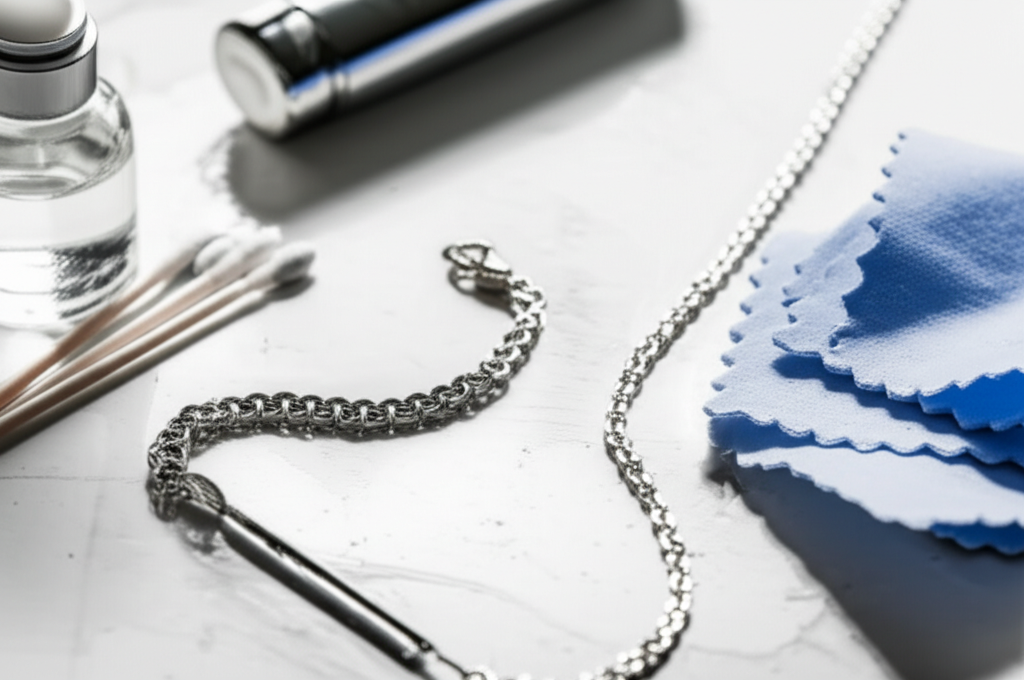
For most DIY silver cleaning, you’ll need a few key items. These include a mild dish soap, warm water, a soft microfiber cloth, and a non-abrasive cleaner or polishing paste. Cotton swabs can also be helpful for intricate designs.
Choosing the right materials prevents scratching and further damage to your delicate silver necklace.
Optional Polishing Tools
Beyond the basics, you might consider silver polishing cloths, which are specially treated to remove tarnish. For very stubborn tarnish, a gentle silver polish cream can be effective. Always ensure any product you use is specifically designed for silver.
These optional items can enhance the cleaning process and provide an extra level of shine.
The Baking Soda and Aluminum Foil Method: A Gentle Giant
This is one of the most popular and effective DIY methods for cleaning silver necklaces. It uses a simple chemical reaction to lift tarnish without harsh scrubbing, making it ideal for delicate chains.
This method is praised for its gentleness and efficacy, especially for intricate pieces.
Step-by-Step Guide to the Baking Soda Method
Line a heat-safe bowl with aluminum foil, shiny side up. Place your silver necklace on the foil, ensuring it makes contact. In a separate container, mix 1 tablespoon of baking soda with 1 cup of hot (not boiling) water until dissolved. Pour the baking soda solution over the necklace, ensuring it’s fully submerged. You’ll see a slight bubbling as the reaction occurs.
Let it sit for 2-5 minutes, then carefully remove the necklace with tongs. Rinse thoroughly with cool water and gently pat dry with a soft cloth.
Pros and Cons of This Method
Pros: Extremely gentle, uses common household items, effective for general tarnish, good for intricate designs. Cons: May not be suitable for heavily tarnished items or silver with gemstones, as the reaction can sometimes affect certain stones or finishes.
This method offers a fantastic balance of gentleness and cleaning power for most silver jewelry.
Dish Soap and Water: The Everyday Sparkle Solution
For light tarnish or routine cleaning, a simple wash with mild dish soap and warm water can work wonders. This method is incredibly gentle and safe for most types of silver jewelry, including those with delicate settings or gemstones.
This is your go-to for maintaining the everyday shine of your silver necklaces.
How to Wash Your Silver Necklace
Fill a small bowl with warm water and add a drop or two of mild dish soap. Submerge your necklace and gently agitate it with your fingers or a soft brush. Pay attention to any crevices or links where dirt might accumulate. Rinse thoroughly under cool running water to remove all soap residue.
Gently pat the necklace dry with a soft, lint-free cloth, ensuring no moisture remains.
When to Use This Method
This method is best for daily upkeep or for removing minor smudges and grime. It’s also a good first step before trying more intensive cleaning methods. If your necklace has a patina or antique finish, this gentle wash is preferable to avoid stripping the finish.
This simple wash is perfect for keeping your silver looking its best on a regular basis.
The Toothpaste Technique: A Slightly More Abrasive Option
While not always recommended by jewelers, a small amount of non-gel, non-whitening toothpaste can be used as a last resort for stubborn tarnish. The mild abrasives in toothpaste can help buff away the tarnish, but caution is advised.
Use this method sparingly, as it can potentially cause micro-scratches on softer silver.
Applying Toothpaste for Cleaning
Apply a tiny dab of white, non-gel toothpaste to a damp, soft cloth or cotton swab. Gently rub the tarnished areas of your necklace in a circular motion. Be very careful around delicate links or engravings. Rinse the necklace thoroughly under cool water to remove all toothpaste residue.
Dry the necklace completely with a soft, lint-free cloth, ensuring no paste remains in crevices.
Considerations Before Using Toothpaste
It’s crucial to use only plain white, non-gel toothpaste. Toothpastes with whitening agents, gels, or gritty particles can damage your silver. Always test on an inconspicuous area first. If your necklace has plated silver or delicate gemstones, avoid this method altogether.
While effective for some, this method requires careful application and awareness of potential risks.
Silver Polishing Cloths: The Professional Touch at Home
Silver polishing cloths are a fantastic investment for maintaining the shine of your necklaces. These cloths are impregnated with a special cleaning solution and polishing agents that gently buff away tarnish and prevent future buildup.
These cloths offer a quick and easy way to achieve a professional-level shine.
How to Use a Silver Polishing Cloth
Gently rub your silver necklace with the polishing cloth. Use light, even pressure, focusing on tarnished areas. The cloth will darken as it picks up tarnish. Avoid washing the cloth, as this will remove the cleaning agents.
Use a separate, clean section of the cloth for a final buffing to reveal the shine. You can find high-quality silver polishing cloths from reputable brands like Connoisseurs or Town Talk Polish on Amazon.
Benefits of Using Polishing Cloths
These cloths are convenient, mess-free, and provide excellent results for regular maintenance. They are safe for most silver jewelry, including pieces with gemstones, as they don’t involve harsh chemicals or water. They also help impart a protective layer to slow down future tarnishing.
Incorporating a polishing cloth into your routine is a simple yet effective way to keep your silver necklaces gleaming.
Commercial Silver Polishes: For Stubborn Tarnish
When DIY methods aren’t enough, commercial silver polishes offer a more potent solution for heavily tarnished necklaces. These products are specifically formulated to remove deep tarnish and restore brilliance, but they require careful handling.
Choose a reputable brand and follow instructions meticulously for the best and safest results.
Choosing the Right Silver Polish
Look for polishes specifically designed for sterling silver jewelry. Some polishes come in cream, paste, or liquid form. Read reviews and select a product known for its effectiveness and gentleness. Brands like Wright’s Silver Cream or Hagerty Silver Foam are popular choices.
Always check the ingredients to ensure they are suitable for your specific type of silver jewelry.
Application and Safety Precautions
Apply a small amount of polish to a soft cloth, not directly onto the jewelry. Gently rub the tarnished areas. Avoid prolonged contact, especially with plated silver or items with gemstones, as the chemicals can damage them. Rinse thoroughly with warm water and dry completely with a soft cloth.
Wear gloves when using commercial polishes to protect your skin and ensure proper ventilation.
Caring for Necklaces with Gemstones and Intricate Designs
Cleaning silver necklaces with gemstones or intricate details requires extra care. Harsh chemicals or vigorous scrubbing can damage delicate stones or wear away intricate finishes.
Gentle methods are paramount when dealing with these more complex pieces.
Gentle Cleaning for Gemstone Jewelry
For necklaces with durable gemstones like diamonds or sapphires, the mild dish soap and water method is usually safe. However, porous stones like pearls, opals, or turquoise should be cleaned very carefully, often just with a damp cloth.
Always avoid soaking jewelry with gemstones, as moisture can seep into settings and loosen them over time.
Tackling Intricate Designs
Use a soft-bristled toothbrush or a cotton swab dipped in a mild cleaning solution to reach into nooks and crannies. For intricate patterns, the baking soda and foil method is often a good choice due to its non-abrasive nature.
Take your time and be patient to ensure all areas are cleaned without causing any damage.
Preventing Tarnish: Keeping Your Silver Shining
The best way to deal with tarnish is to prevent it from forming in the first place. Simple storage habits and routine care can significantly extend the time between cleanings.
Proactive measures are always more effective than reactive ones when it comes to silver jewelry.
Proper Storage Techniques
Store your silver necklaces in airtight bags or containers to minimize exposure to air and moisture. Anti-tarnish strips can also be placed inside storage boxes to absorb sulfur compounds. Keep individual pieces separated to prevent scratching and tangling.
Avoid storing silver in humid environments like bathrooms.
Daily Habits for Silver Care
Wipe your necklace with a soft cloth after wearing it to remove oils and sweat. Avoid wearing your silver jewelry while swimming, showering, or applying lotions and perfumes. Store your jewelry properly when not in use.
These simple habits will help maintain your silver’s luster and reduce the frequency of deep cleaning.
When to Seek Professional Help
While many tarnish issues can be resolved at home, some situations call for professional attention. If your necklace is exceptionally valuable, antique, or has delicate settings and gemstones, it’s wise to consult a jeweler.
Professional cleaning can ensure the safety and preservation of your precious items.
Signs Your Necklace Needs a Jeweler
If your necklace has significant damage, missing stones, or very deep, stubborn tarnish that home methods can’t remove, a jeweler is your best bet. They have specialized tools and expertise to handle such cases without causing further harm.
Also, if you’re unsure about the material or the best cleaning method for a particularly sentimental piece, a professional opinion is invaluable.
What Professionals Can Do
Jewelers can professionally polish your silver, repair clasps or chains, re-secure loose stones, and apply protective coatings. They can also identify any potential issues you might have overlooked, ensuring your jewelry remains in excellent condition.
Investing in professional care occasionally can significantly prolong the life and beauty of your cherished silver necklaces.
Frequently Asked Questions About Cleaning Silver Necklaces
Can I use aluminum foil and baking soda on all silver necklaces?
Yes, the aluminum foil and baking soda method is generally safe for most sterling silver. However, avoid it for silver plated items or those with porous gemstones like pearls or opals, as it can potentially affect their finish or integrity.
How often should I clean my silver necklace?
The frequency depends on how often you wear it and your environment. For everyday wear, a gentle wash with dish soap and water or a wipe with a polishing cloth weekly or bi-weekly is usually sufficient. For more significant tarnish, use the baking soda or commercial polish methods as needed.
Will cleaning damage my silver necklace?
Gentle methods like soap and water or polishing cloths are very unlikely to cause damage. More abrasive methods like toothpaste or strong commercial polishes can potentially cause micro-scratches if not used carefully. Always test in an inconspicuous area first and avoid harsh scrubbing.
What if my necklace has a lot of intricate details?
For intricate designs, use a soft-bristled toothbrush or cotton swabs with a mild cleaning solution. The baking soda and foil method is also excellent for reaching into crevices without abrasive action. Patience is key to cleaning these delicate areas effectively.
Can I use silver dip cleaners?
Silver dip cleaners are very aggressive and can strip the patina from antique silver or damage certain gemstones and plated finishes. They are generally not recommended for regular cleaning and should only be used with extreme caution on solid, unadorned sterling silver for severe tarnish.
How do I prevent my silver necklace from tangling?
Store necklaces individually in small, sealed plastic bags or jewelry pouches. You can also use jewelry organizers with separate compartments or hang necklaces on a jewelry tree to keep them untangled and prevent scratching.
Conclusion: Effortless Shine for Your Cherished Silver Necklaces
Learning how to clean a silver necklace effectively is a rewarding skill that keeps your treasured jewelry looking its absolute best. By understanding the causes of tarnish and employing the right methods, you can restore and maintain that coveted brilliant shine. From the gentle power of baking soda and foil to the convenience of polishing cloths, there’s a solution for every level of tarnish.
Remember to always handle your silver with care, choose the gentlest method that works, and store it properly to prevent future tarnish. With these simple tips, your silver necklaces will continue to add sparkle and elegance to your life for years to come.
