


Published on: September 11, 2025 | Updated on: September 11, 2025
To remove stubborn rings from marble, try a poultice made from baking soda and water for light stains, or hydrogen peroxide for darker ones. Always test in an inconspicuous area first, and be patient as the poultice works to lift the stain. Gentle, consistent application is key to restoring your marble’s beauty.
How To Get Rings Out Of Marble: Proven, Effective Methods
Marble countertops, tabletops, and floors are undeniably beautiful, adding a touch of elegance to any home. However, this natural stone can be susceptible to staining, particularly from water, oils, and acidic substances, often leaving unsightly rings behind. Dealing with these marks can be frustrating, but don’t worry – restoring your marble to its former glory is often achievable with the right techniques and a little patience. This guide will walk you through proven, effective methods to tackle those stubborn rings, ensuring your marble stays pristine for years to come.
Understanding Marble Stains and Rings
Marble is a porous material, meaning it can absorb liquids. When a liquid sits on the surface, especially for an extended period, it can penetrate the stone and leave a discoloration or ring. The type of ring often depends on what caused it. Water rings are common on bathroom vanities and kitchen counters, while oil-based stains might appear from cooking spills. Acidic substances like lemon juice or wine can etch the marble, creating a dull spot that can also appear as a ring if the spill was circular. Understanding the cause helps in choosing the most effective removal method.
Essential Tools and Supplies for Marble Stain Removal
Before you begin tackling those marble rings, gathering the right tools and supplies is crucial. Having everything on hand will make the process smoother and more efficient. You’ll want to be prepared with a few key items that are gentle yet effective for marble care.
Here’s a list of common items you might need:
Baking Soda: An excellent mild abrasive and absorbent for many common stains.
Hydrogen Peroxide (3% solution): Effective for organic stains and can help lighten darker rings.
Rubbing Alcohol (Isopropyl Alcohol): Useful for grease and oil-based stains.
Clean, Soft Cloths or Microfiber Towels: For applying solutions, blotting, and buffing.
Plastic Wrap: To cover poultices and keep them moist.
Painter’s Tape: To secure the plastic wrap.
Small Bowl or Container: For mixing poultices.
Spatula or Plastic Scraper: For applying and removing poultices.
Gloves: To protect your hands.
Water: For rinsing.
pH-Neutral Stone Cleaner: For general cleaning and maintenance.
Marble Sealer: For protecting your marble after cleaning.
Having these on hand ensures you’re ready for almost any ring-related marble emergency. Always opt for gentle cleaning agents specifically designed for natural stone to avoid causing further damage.
The Poultice Method: Your Go-To for Stubborn Rings
The poultice method is widely considered one of the most effective ways to draw stains out of porous stone like marble. It works by creating a paste that absorbs the stain into its own material as it dries. This technique is particularly useful for rings that have penetrated the surface. A poultice essentially acts like a mini-blotting paper for your marble, pulling the discoloration up and out.
How to Make and Apply a Baking Soda Poultice
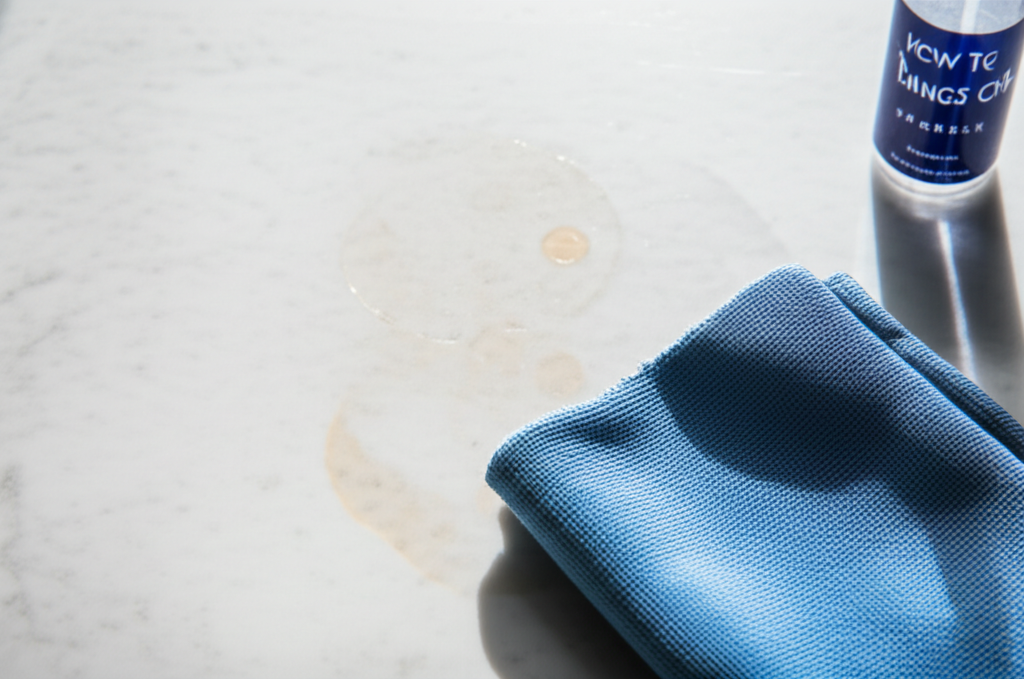
A baking soda poultice is perfect for tackling water rings and lighter, general stains on your marble. Baking soda is mildly alkaline and highly absorbent, making it a safe and effective choice for many surface issues. It’s a gentle abrasive that can help lift stains without scratching the stone.
Here’s how to prepare and apply a baking soda poultice:
1. Mix the Paste: In a small bowl, combine baking soda with a small amount of water. Mix until you achieve a thick, peanut butter-like consistency. It should be spreadable but not runny.
2. Apply the Poultice: Carefully spread a layer of the paste, about 1/4 to 1/2 inch thick, directly over the stained ring. Ensure the poultice extends slightly beyond the edges of the ring.
3. Cover and Seal: Cover the poultice with plastic wrap. Use painter’s tape to seal the edges of the plastic wrap to the marble surface. This prevents the poultice from drying out too quickly, allowing it to work its magic.
4. Let it Dry: Allow the poultice to sit and dry completely. This can take anywhere from 24 to 48 hours. As it dries, it will pull the stain out of the marble.
5. Remove and Clean: Once the poultice is dry and crumbly, carefully remove the plastic wrap. Gently scrape away the dried poultice with a plastic scraper or spatula. Rinse the area thoroughly with clean water and dry with a soft cloth.
6. Assess and Repeat: Inspect the area. If the ring has lightened but not completely disappeared, you may need to repeat the process. Sometimes, stubborn stains require multiple applications.
This method is a cornerstone of marble stain removal because it leverages the stone’s natural porosity. Patience is key, as repeated applications are often necessary for tougher stains.
Using Hydrogen Peroxide for Darker Rings
For darker, more stubborn rings, especially those caused by organic materials like coffee, tea, or wine, a hydrogen peroxide poultice can be more effective. Hydrogen peroxide has bleaching properties that can help break down and lift these types of stains from the marble. It’s a powerful agent, so it’s important to use it correctly and with care.
Follow these steps for a hydrogen peroxide poultice:
1. Prepare the Poultice Base: You can use baking soda or unbleached white paper towels as the base for your hydrogen peroxide poultice. If using baking soda, mix it with a 3% hydrogen peroxide solution until it forms a thick paste, similar to the consistency of peanut butter. If using paper towels, soak them thoroughly in hydrogen peroxide.
2. Apply to the Stain: Spread the paste evenly over the ring, ensuring it covers the entire stained area and extends slightly beyond its edges. If using soaked paper towels, layer them over the ring.
3. Cover and Wait: Cover the poultice or paper towels with plastic wrap and seal the edges with painter’s tape. Let it sit for 24 to 48 hours, allowing the hydrogen peroxide to work on the stain.
4. Remove and Rinse: Remove the plastic wrap and allow the poultice to dry. Scrape away the dried paste or remove the paper towels. Rinse the area thoroughly with clean water and dry with a soft cloth.
5. Evaluate and Reapply: Check the marble for improvement. For deep or persistent stains, you might need to repeat the hydrogen peroxide poultice treatment.
Always test hydrogen peroxide in an inconspicuous area first, as it can lighten darker marbles. It’s a powerful stain remover that can work wonders when used correctly.
Tackling Specific Types of Marble Rings
While poultices are versatile, knowing the specific type of ring you’re dealing with can help you choose the most efficient cleaning agent. Different substances interact with marble differently, and some require specialized approaches. Understanding the culprit behind the ring is half the battle.
Water Rings on Marble: Prevention and Removal
Water rings are perhaps the most common type of stain on marble, especially in bathrooms and kitchens. They occur when water, often containing minerals from hard water, evaporates and leaves behind a residue. These can sometimes etch the surface or leave a dull mark.
Prevention: The best way to deal with water rings is to prevent them. Always wipe up spills immediately, use coasters under glasses and mugs, and consider sealing your marble regularly.
Removal: For light water rings, a simple damp cloth with a pH-neutral cleaner might suffice. If a ring has left a dull spot (etching), you might need a marble polishing powder. For discoloration, a baking soda poultice is usually effective.
Addressing water rings promptly prevents them from becoming permanent issues. Consistent wiping and immediate spill cleanup are your best defenses.
Oil-Based Stains and Rings
Oil-based stains, such as those from cooking grease, butter, or certain cosmetics, can penetrate marble and leave dark, greasy rings. These stains are often more challenging because they darken the stone by becoming absorbed.
Solution: For oil-based rings, a poultice made with baking soda and a small amount of rubbing alcohol (isopropyl alcohol) or mineral spirits can be very effective. The solvent helps to break down the oil, and the baking soda absorbs it.
Application: Mix baking soda with rubbing alcohol to form a paste. Apply it to the stain, cover with plastic wrap, and let it dry for 24-48 hours. Remove, rinse, and repeat if necessary.
It’s vital to use solvents in a well-ventilated area. Always ensure the rubbing alcohol or mineral spirits are suitable for use on stone surfaces.
Organic Stains (Coffee, Tea, Wine, Fruit Juice)
Organic stains are common culprits for colored rings on marble. Coffee, tea, wine, and fruit juices contain pigments that can easily penetrate the porous surface. These stains often appear colored, ranging from light brown to deep red.
Best Approach: Hydrogen peroxide is typically the most effective solution for organic stains. Its mild bleaching action can break down the pigmented compounds.
Poultice: Prepare a hydrogen peroxide poultice as described earlier (using baking soda or paper towels). Apply, cover, and allow it to sit for 24-48 hours. Rinse and repeat if needed.
For very deep organic stains, multiple treatments might be necessary. Patience is key when dealing with these types of discolorations.
Metal Stains (Rust Rings)
Rust rings can appear if metal objects, like iron cookware or planters, are left on the marble and get wet. These stains are typically reddish-brown and can be quite unsightly.
Specialized Cleaner: Metal stains, particularly rust, often require a specific rust remover designed for natural stone. These products are formulated to dissolve the rust without damaging the marble.
Poultice Alternative: If you don’t have a commercial rust remover, you can try a poultice made with diatomaceous earth and a rust remover liquid. Follow the product instructions carefully.
Never use acidic cleaners like vinegar or lemon juice on rust stains, as they can worsen the etching on the marble. Always consult the product label for safe application.
The Importance of Testing First
Before applying any cleaning solution or poultice to a visible ring on your marble, it is absolutely critical to test it in an inconspicuous area. Marble can vary in its sensitivity, and what works on one type or finish might cause damage to another. A hidden spot, like the underside of a countertop edge or a corner of a floor tile, is perfect for this initial test.
Why Test? Testing helps you gauge the effectiveness of the cleaner and, more importantly, ensures it doesn’t cause etching, discoloration, or other adverse reactions on your specific marble.
How to Test: Apply a small amount of your chosen cleaning solution or poultice to the hidden area. Let it sit for the recommended time (or a shorter duration if you’re concerned), then rinse and dry. Observe the area for any changes in color or finish.
This simple step can save you a lot of potential heartache and costly repairs down the line. It’s a fundamental part of responsible DIY marble care.
Gentle Cleaning and Polishing Techniques
Once you’ve successfully removed a ring, or for general maintenance to prevent future rings, using gentle cleaning and polishing techniques is essential. Harsh scrubbing or the wrong cleaning agents can dull the marble’s shine or even create new marks. The goal is to maintain the stone’s natural beauty without causing damage.
Daily Cleaning Routine for Marble
A consistent daily cleaning routine is the best defense against stains and dullness. Simple habits can go a long way in preserving the lustrous appearance of your marble.
Wipe Spills Immediately: This is the golden rule of marble care. Don’t let liquids sit on the surface for any length of time.
Use pH-Neutral Cleaners: Opt for cleaners specifically formulated for natural stone. Avoid abrasive powders, acidic solutions (like vinegar or lemon juice), and harsh detergents. A mild soap and water solution can also work if it’s truly pH-neutral.
Soft Cloths: Always use soft cloths, like microfiber, for cleaning and drying to prevent scratching.
A clean, damp cloth is often all that’s needed for daily upkeep. This prevents dirt and grime from building up and potentially causing stains.
Polishing Marble to Restore Shine
Over time, marble can lose its luster due to daily wear and tear, or from minor etching. Polishing can restore its natural shine and make it look as good as new.
Marble Polishing Powder: For minor dullness and etching, a marble polishing powder is often the best solution. These powders contain mild abrasives that, when used with water and buffing, can gently resurface the stone.
Application: Follow the product instructions carefully. Typically, you’ll mix the powder with water to form a paste, apply it to the marble, and then buff it with a damp cloth or polishing pad using firm, circular motions.
Professional Help: For significant dullness or deep scratches, professional honing and polishing might be necessary. Stone restoration specialists have the tools and expertise to bring marble back to its original state.
Restoring shine not only makes your marble look beautiful but can also help make the surface slightly less porous, offering a bit more resistance to future stains.
When to Call a Professional
While many marble rings can be tackled with DIY methods, there are times when it’s best to seek professional help. Attempting to fix a severe problem without the right knowledge or tools can sometimes lead to more significant damage, making professional restoration more costly in the long run.
Deep Etching: If the ring is a deep etch mark that has noticeably altered the surface texture, a DIY polish might not be sufficient. Professionals have specialized equipment for re-honing and polishing.
Widespread Staining: If you have multiple, large, or deeply set stains across your marble surface, a professional stone restorer can address them efficiently and effectively.
* Uncertainty: If you’re unsure about the type of stain, the best cleaning method, or if you’re worried about damaging your valuable marble, it’s always wise to consult an expert.
Professionals have access to advanced cleaning agents and polishing tools that can handle the toughest marble restoration jobs. They can assess the damage and provide the most appropriate solution.
Frequently Asked Questions About Marble Rings
Addressing common concerns can help demystify the process of removing rings from marble. Here are some frequently asked questions that beginner DIYers often have.
Can I use vinegar to remove rings from marble?
No, it’s strongly advised not to use vinegar or other acidic cleaners on marble. Vinegar is acidic and can etch the surface of the marble, creating dull spots that are often harder to fix than the original stain. Always opt for pH-neutral cleaners or methods specifically recommended for natural stone.
How long does it take for a poultice to work?
A poultice typically needs 24 to 48 hours to work effectively. During this time, it needs to dry completely to draw the stain out of the marble. Stubborn stains might require multiple applications, so patience is key.
Will hydrogen peroxide damage my marble?
A 3% hydrogen peroxide solution is generally safe for most light-colored marbles when used as a poultice for a limited time. However, it can potentially lighten darker marbles, so always test in an inconspicuous area first. Avoid leaving it on for excessively long periods.
What is the difference between a stain and an etch mark on marble?
A stain is a discoloration that has penetrated the stone, changing its color. An etch mark is damage to the surface itself, where a substance (usually acidic) has reacted with the calcium carbonate in the marble, dulling or etching the finish. Stains are removed by drawing them out, while etch marks are typically repaired by polishing or honing.
Can I prevent rings from forming on my marble in the first place?
Yes, prevention is the best strategy. Always use coasters, placemats, and trivets. Wipe up spills immediately. Consider sealing your marble regularly, as a good sealant acts as a barrier against stains.
Conclusion: Restoring Your Marble’s Beauty
Dealing with rings on your beautiful marble surfaces can be disheartening, but as we’ve explored, there are effective and proven methods to tackle these issues. From the gentle power of a baking soda poultice for common water rings to the targeted approach of hydrogen peroxide for organic stains, you have a range of options at your disposal. Remember the golden rules: always test any cleaning solution in a hidden spot first, be patient with the process, and use gentle, pH-neutral products. Consistent maintenance and prompt attention to spills will go a long way in preventing future rings and keeping your marble looking its absolute best. With these techniques, you can confidently restore and maintain the timeless elegance of your marble.
