


Published on: September 11, 2025 | Updated on: September 11, 2025
Ionic jewelry cleaners use electricity to create a chemical reaction that lifts dirt, while ultrasonic cleaners use high-frequency sound waves to create tiny bubbles that blast away grime. Both can be effective, but the best choice depends on your jewelry and cleaning needs.
Ionic Jewelry Cleaner Vs Ultrasonic: The Ultimate Effective Choice for Sparkling Gems
Got a drawer full of dull jewelry that’s lost its sparkle? You’re not alone. Keeping precious metals and gemstones clean can feel like a chore, and we all want that dazzling shine back. But with so many cleaning methods out there, how do you pick the right one? Today, we’re diving deep into two popular choices: ionic jewelry cleaners and ultrasonic cleaners. We’ll break down exactly how they work, their pros and cons, and help you decide which is the ultimate effective choice for your treasured pieces.
Understanding Ionic Jewelry Cleaners: The Chemical Approach
Ionic jewelry cleaners, also known as electrochemical cleaners, work on a principle that might sound a bit technical but is quite straightforward. They use a small electrical current to create a chemical reaction. This reaction essentially lifts and dissolves the grime, oils, and tarnish that accumulate on your jewelry, making it easy to rinse away.
How Do Ionic Cleaners Really Work?
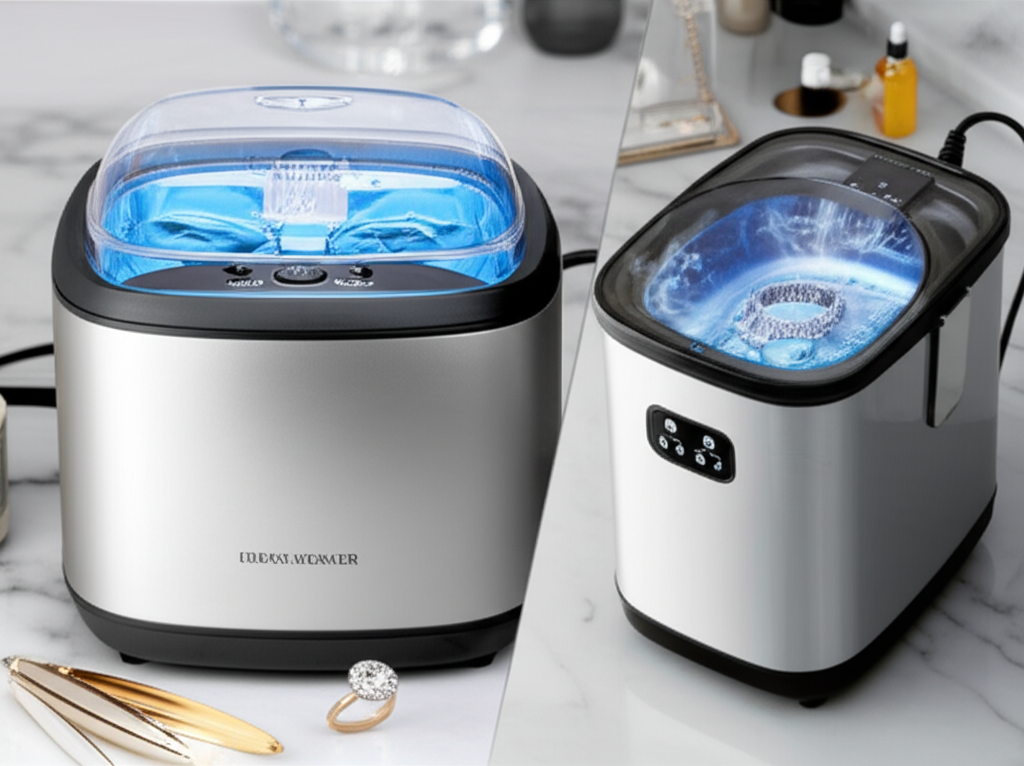
At its core, an ionic cleaner is a small tank filled with a cleaning solution. When you plug it in and add your jewelry, a mild electrical current passes through the solution. This process, called electrolysis, ionizes the cleaning solution. These charged ions then interact with the dirt and tarnish on your jewelry, breaking them down and suspending them in the water. It’s a gentle yet effective way to remove stubborn buildup without harsh scrubbing.
The Science Behind the Sparkle: Electrolysis Explained
Electrolysis, in this context, means using electricity to drive a chemical reaction. The jewelry often acts as one electrode, and a metal plate within the cleaner acts as the other. The cleaning solution contains electrolytes that conduct electricity. When current flows, it causes a chemical breakdown of the oxidizing agents (like tarnish) and organic residues on the jewelry’s surface. This process loosens the grime, making it easy to wash off.
Pros of Using an Ionic Jewelry Cleaner
Ionic cleaners are fantastic for a few key reasons. They are generally very easy to use, often requiring just a few drops of solution and a button press. They are also quite affordable, making them accessible for most budgets. Plus, they are effective at removing tarnish, which is a common problem for silver and gold jewelry.
Ease of Use: Simple operation, usually just a few steps.
Affordability: Generally less expensive than ultrasonic cleaners.
Tarnish Removal: Excellent at tackling oxidation on metals like silver.
Gentle Action: The chemical process is less abrasive than manual scrubbing.
Cons of Ionic Jewelry Cleaners: What to Watch Out For
While great, ionic cleaners aren’t perfect for every situation. Some delicate gemstones, like pearls or opals, can be damaged by the chemical process or the solution itself. You also need to be mindful of the cleaning solution; some might contain ingredients that aren’t ideal for certain jewelry types. The cleaning time can also be a bit longer than some other methods.
Gemstone Sensitivity: Not suitable for porous or heat-sensitive stones.
Solution Dependency: Requires specific cleaning solutions, which may not be universally safe.
Potential for Fading: Some colored gemstones might fade with prolonged exposure.
Time: Cleaning cycles can sometimes take longer than expected.
Exploring Ultrasonic Jewelry Cleaners: The Power of Sound Waves
Ultrasonic jewelry cleaners take a different approach, relying on the power of sound waves. These devices use high-frequency vibrations to create microscopic bubbles in a cleaning solution. When these bubbles collapse, they generate tiny implosions that effectively blast away dirt and grime from every nook and cranny of your jewelry.
How Ultrasonic Cleaners Achieve That Deep Clean
The magic of ultrasonic cleaners lies in cavitation. The device emits ultrasonic sound waves, typically between 20 kHz and 40 kHz, into a liquid-filled tank. These waves create millions of tiny vacuum bubbles. When these bubbles reach a surface or implode, they release a powerful burst of energy that dislodges dirt, oil, and debris, even from the most intricate designs.
The Physics of Cleaning: Cavitation Explained
Cavitation is the formation of vapor-filled cavities in a liquid. In an ultrasonic cleaner, the sound waves create alternating high and low-pressure cycles. During the low-pressure cycles, the liquid vaporizes, forming bubbles. During the high-pressure cycles, these bubbles collapse violently. This rapid implosion creates microscopic jets of liquid and shock waves that scrub the surface of the jewelry at an incredible rate.
Pros of Using an Ultrasonic Jewelry Cleaner
Ultrasonic cleaners are renowned for their deep cleaning capabilities. They can reach areas that are impossible to clean manually, making them ideal for intricate pieces with small crevices. They are generally safe for a wide variety of jewelry, including most gemstones, as the cleaning action is physical rather than chemical. The cleaning process is also usually quite fast.
Deep Cleaning: Excellent at removing stubborn dirt and grime from intricate designs.
Versatility: Safe for most types of jewelry, including many gemstones.
Speed: Cleaning cycles are typically very quick.
Non-Abrasive: The cleaning action is physical and doesn’t scratch surfaces.
Cons of Ultrasonic Jewelry Cleaners: When to Be Cautious
While powerful, ultrasonic cleaners aren’t foolproof. Certain gemstones, like emeralds, pearls, or turquoise, can be damaged by the vibrations or the cleaning solution. If a stone has internal fractures or is treated, the ultrasonic waves could potentially worsen the damage. Also, the initial cost of a good ultrasonic cleaner can be higher than an ionic one.
Gemstone Risk: Not recommended for porous, treated, or fragile gemstones.
Initial Cost: Can be more expensive upfront than ionic cleaners.
Requires Solution: Still needs a suitable cleaning solution for optimal results.
Potential for Wear: Very frequent use might cause slight wear on very soft metals over long periods.
Ionic Jewelry Cleaner Vs Ultrasonic: Direct Comparison
When deciding between an ionic and an ultrasonic cleaner, it’s helpful to see them side-by-side. They tackle cleaning in fundamentally different ways, leading to distinct advantages and disadvantages depending on what you’re cleaning and what you prioritize.
| Feature | Ionic Jewelry Cleaner | Ultrasonic Jewelry Cleaner |
| :—————- | :————————————————– | :——————————————————– |
| Cleaning Method | Electrolysis (chemical reaction) | Cavitation (high-frequency sound waves) |
| Effectiveness | Great for tarnish and surface grime. | Excellent for deep cleaning, intricate details, and embedded dirt. |
| Speed | Can be slower, depending on the buildup. | Generally very fast, often minutes. |
| Gemstone Safety | Risky for porous/treated stones, delicate gems. | Risky for porous/treated stones, fragile gems, and those with inclusions. |
| Metal Safety | Generally safe for most precious metals. | Generally safe for most precious metals. |
| Ease of Use | Very simple, often one-button operation. | Simple operation, but requires filling and adding solution. |
| Cost | Typically more affordable upfront. | Can be more expensive upfront. |
| Maintenance | Requires cleaning solution refills. | Requires cleaning solution refills and tank cleaning. |
How Each Cleaner Handles Different Types of Jewelry
The type of jewelry you own is a major factor in choosing between ionic and ultrasonic cleaners. For instance, a plain gold band with no stones might be perfectly suited for either. However, an intricate silver filigree necklace with small diamonds would benefit immensely from an ultrasonic cleaner’s ability to reach every crevice.
For pieces with a lot of tarnishing, especially silver, ionic cleaners can be surprisingly effective at restoring that original shine. On the other hand, if you have jewelry with tiny, hard-to-reach dirt particles, the ultrasonic method’s deep-cleaning power is unparalleled. Always consider the materials and any treatments your jewelry has undergone before selecting a cleaning method.
The Verdict on Effectiveness: Which Cleans Better?
When it comes to sheer cleaning power and reaching every nook and cranny, ultrasonic cleaners generally have the edge. Their cavitation process can dislodge deeply embedded dirt that might resist an ionic cleaner. However, for tackling specific issues like heavy tarnish on silver, an ionic cleaner can be remarkably effective and often simpler to use for that particular problem.
The “better” cleaner truly depends on the specific cleaning challenge. For everyday grime and general refresh, both can work. But for restoring heavily soiled or complex pieces, ultrasonic often wins.
Choosing the Right Cleaner for Your Precious Metals
Different metals react differently to cleaning processes. Gold, platinum, and sterling silver are common in jewelry, and understanding their properties is key to selecting the right cleaner. Most precious metals are robust enough for both methods, but caution is always advised with plated items or alloys with sensitive components.
Gold Jewelry: Shine On!
Gold jewelry, especially higher karat gold (14K, 18K, 24K), is quite durable and resistant to tarnish. Both ionic and ultrasonic cleaners can effectively clean gold. Ultrasonic cleaners are excellent for removing oils and grime that can dull gold’s luster, especially around settings. Ionic cleaners can help with any minor discoloration or residue.
Silver Jewelry: Battling the Tarnish
Silver is notorious for tarnishing, which is a chemical reaction with sulfur in the air. Ionic cleaners are particularly adept at removing tarnish through electrolysis, essentially reversing the oxidation process. Ultrasonic cleaners will remove dirt and grime that might be trapped in crevices, but they won’t necessarily reverse tarnish as effectively as an ionic cleaner might. For heavily tarnished silver, an ionic cleaner might be the first choice, followed by an ultrasonic for a deeper clean.
Platinum and Other Metals: Durability Matters
Platinum is a very dense and durable metal, making it well-suited for both ionic and ultrasonic cleaning. It’s highly resistant to tarnish and corrosion. For other metals, like stainless steel or titanium, both methods are generally safe and effective for removing dirt and restoring shine. Always check manufacturer recommendations for plated metals, as harsh cleaning can sometimes wear away the plating.
Gemstone Considerations: Protecting Your Sparklers
Gemstones are where the choice between ionic and ultrasonic cleaners becomes most critical. Some stones are naturally delicate, porous, or have been treated to enhance their beauty, making them vulnerable to cleaning methods. Understanding your gemstone is paramount to avoid costly damage.
Which Gemstones Are Safe for Ultrasonic Cleaning?
Many harder, non-porous gemstones are generally safe for ultrasonic cleaning. This includes diamonds, sapphires, rubies (if not fracture-filled), and garnets. These stones can withstand the vibrations and the cleaning solution. However, even with these, if the stone has inclusions or is set in a way that might be stressed, proceed with caution or consult a jeweler.
Gemstones to Avoid with Ultrasonic or Ionic Cleaners
Certain gemstones are a definite no-go for ultrasonic or ionic cleaning. Pearls, opals, emeralds, turquoise, coral, and lapis lazuli are all examples of stones that are either too porous, too soft, or too sensitive to heat and chemicals. Ultrasonic vibrations can cause fractures to spread, and the cleaning solutions in both methods can damage or discolor these delicate gems. Always err on the side of caution.
When in Doubt, Consult a Professional
If you have a piece of jewelry with valuable or delicate gemstones, or if you’re unsure about its composition or any treatments it may have undergone, the safest bet is always to consult a professional jeweler. They can advise you on the best and safest cleaning methods for your specific piece, or they can clean it for you. A little professional advice can save you a lot of heartache and expense.
Ionic vs. Ultrasonic: Practical Usage and Ease of Operation
Beyond the technical aspects, how do these cleaners perform in a real-world home setting? Ease of use, setup, and the overall user experience are important factors for anyone looking to maintain their jewelry without a fuss.
Setting Up Your Ionic Cleaner: A Breeze
Ionic cleaners are typically designed for ultimate simplicity. You usually just fill the small tank with water, add a few drops of the specialized cleaning solution, place your jewelry inside, and press a button. Many models have a timer, and once the cycle is complete, you just rinse your jewelry and you’re done. It’s a very straightforward process that requires minimal effort.
Using Your Ultrasonic Cleaner: A Little More Involved
Ultrasonic cleaners also boast simple operation, but there are a few more steps. You’ll fill the tank with water (often warm water works best), add a cleaning solution specifically designed for ultrasonic machines, place your jewelry inside, and start the cycle. Some units have multiple settings for intensity or time. After cleaning, you’ll need to rinse your jewelry thoroughly and clean the tank itself for the next use.
Maintenance and Longevity of the Devices
Both types of cleaners require some basic maintenance to ensure they last. For ionic cleaners, this mainly involves rinsing the tank after each use and ensuring the cleaning solution is fresh. Ultrasonic cleaners also require regular tank cleaning to prevent residue buildup, which can affect performance. Both devices are generally quite durable if used according to the manufacturer’s instructions.
Choosing the Right Cleaning Solution: A Crucial Step
The cleaning solution is just as important as the cleaning method itself. Using the wrong solution can render the cleaner ineffective or, worse, damage your jewelry. Both ionic and ultrasonic cleaners benefit from specialized solutions, though the formulations differ based on the cleaning principle.
Solutions for Ionic Cleaners
Ionic cleaners rely on solutions that conduct electricity and help lift dirt and tarnish. These are often formulated to be gentle yet effective for precious metals. Many manufacturers sell their own proprietary solutions designed to work with their specific machines. It’s generally best to stick with solutions recommended by the cleaner’s manufacturer to ensure optimal results and safety.
Solutions for Ultrasonic Cleaners
Ultrasonic cleaning solutions are designed to enhance cavitation and help break down various types of grime, from oils and grease to dirt and buffing compounds. They come in different formulations for different materials, such as jewelry, electronics, or lab equipment. For jewelry, you’ll want a solution that is safe for precious metals and common gemstones, while still being effective at lifting dirt.
DIY Cleaning Solutions: Proceed with Caution
While tempted to use household cleaners, it’s generally not advisable for either type of jewelry cleaner. Household cleaners can be too harsh, contain abrasives, or have ingredients that react negatively with the cleaning process or your jewelry. Stick to products specifically designed for jewelry cleaning machines to protect your investment.
When to Opt for Professional Cleaning Services
Sometimes, the best choice for your precious jewelry isn’t a DIY solution at home. Professional jewelers have specialized equipment and expertise that can handle even the most delicate or complex cleaning tasks safely and effectively.
When Your Jewelry is Too Delicate or Valuable
For antique pieces, jewelry with very intricate settings, or items made with extremely valuable or delicate gemstones, professional cleaning is often the safest route. Jewelers can assess the piece and use methods that minimize any risk of damage. They also have tools like steam cleaners and specialized ultrasonic machines that are more powerful and precise than consumer models.
For Heavily Soiled or Damaged Items
If your jewelry is extremely dirty, has been neglected for a long time, or shows signs of damage (like loose stones or significant scratches), a professional can often restore it. They can identify potential issues during cleaning and advise on repairs. Sometimes, a deep professional cleaning is the first step in a repair process.
The Cost-Benefit Analysis of Professional Cleaning
While professional cleaning costs more than a home device, it offers peace of mind, especially for high-value items. For a one-off deep clean or for particularly precious pieces, the cost is well worth the assurance that your jewelry is being handled by experts with the right tools. Many jewelers offer cleaning services for a reasonable fee, sometimes even as a complimentary service for purchases.
Ionic Jewelry Cleaner Vs Ultrasonic: Making Your Final Choice
So, after exploring both methods, which one is the ultimate effective choice for you? The answer, as often is the case with tools and gadgets, lies in your specific needs and the type of jewelry you own. Both ionic and ultrasonic cleaners offer fantastic ways to bring back the sparkle to your cherished items.
Recap: Who Wins for What?
If your primary concern is tackling heavy tarnish on silver or you want an incredibly simple, affordable solution for general cleaning, an ionic jewelry cleaner might be your best bet. They are straightforward and excel at reversing oxidation.
However, if you have a variety of jewelry, including pieces with intricate designs, small stones, or hard-to-reach dirt, and you want a fast, deep clean that’s generally safe for most non-porous gems, an ultrasonic jewelry cleaner is likely the superior choice. Its power to dislodge embedded grime is hard to beat.
My Personal Take as a DIY Expert
From my experience testing various tools and gadgets for home and hobby, I lean towards ultrasonic cleaners for their versatility and deep-cleaning power. I’ve found them incredibly effective for everything from intricate watch parts to my wife’s diamond earrings. However, I still keep a small ionic cleaner handy for those times when a piece of silver jewelry needs a quick tarnish boost. The key is to have the right tool for the right job.
Investing in the Right Device for Lasting Shine
Both ionic and ultrasonic cleaners are investments in keeping your jewelry looking its best. Consider the types of jewelry you wear most often, their materials, and the common issues you face (tarnish vs. general grime). Whichever you choose, using it regularly will ensure your precious pieces remain a source of pride and beauty for years to come.
Frequently Asked Questions (FAQ)
Can I use dish soap in my ultrasonic jewelry cleaner?
It’s best to use specialized ultrasonic cleaning solutions. Dish soap can create too many suds, which can interfere with the cavitation process and may not be formulated to be safe for all jewelry types or gemstones.
How often should I clean my jewelry?
This depends on how often you wear it and in what conditions. Generally, cleaning once a month is good for everyday wear. Fine jewelry worn for special occasions might only need cleaning a few times a year.
Will ultrasonic cleaning damage my gold-plated jewelry?
It can. The vibrations and cleaning solution can potentially wear away the plating over time, especially with frequent or prolonged use. It’s safer to stick to gentler cleaning methods for plated items.
Can I clean my glasses with a jewelry cleaner?
Many ultrasonic jewelry cleaners are also suitable for cleaning glasses, eyeglasses, and even dentures. Always check the manufacturer’s guidelines for the cleaner and ensure the cleaning solution is appropriate for lenses.
What is the difference between a jewelry cleaner and a general-purpose ultrasonic cleaner?
Jewelry cleaners are specifically formulated to be safe for precious metals and common gemstones, targeting oils, grime, and tarnish. General-purpose ultrasonic cleaners might use stronger solutions for tougher jobs like engine parts or tools, which could be too harsh for jewelry.
Is it safe to clean pearls with an ultrasonic cleaner?
No, pearls are very delicate and porous. Ultrasonic vibrations and cleaning solutions can easily damage their surface, cause them to discolor, or even crack them. Always use a soft cloth and mild soap for pearls.
Conclusion: The Sparkling Decision Is Yours
Deciding between an ionic jewelry cleaner and an ultrasonic cleaner boils down to understanding your jewelry’s needs and your cleaning priorities. Ionic cleaners offer a simple, cost-effective solution for tackling tarnish, especially on silver. They employ a chemical process that’s easy to manage. On the other hand, ultrasonic cleaners leverage the power of sound waves to achieve a remarkably deep and thorough clean, reaching intricate details that other methods miss. They are generally faster and more versatile for a broader range of jewelry types, though caution is still advised for delicate gemstones.
Ultimately, both devices can be invaluable tools for maintaining the brilliance of your collection. For the average jewelry owner with a mix of pieces, an ultrasonic cleaner often provides the most comprehensive cleaning power and versatility. However, if silver tarnish is your nemesis or budget is a primary concern, an ionic cleaner is a fantastic and effective alternative. Whichever you choose, consistent care will ensure your treasured pieces continue to shine for years to come.
