


Published on: September 10, 2025 | Updated on: September 10, 2025
Get your jewelry sparkling like new with our guide to essential, proven jewelry cleaning supplies. We’ll cover everything you need to know to restore shine and preserve the beauty of your precious pieces, from everyday items to specialized solutions.
Keeping your cherished jewelry looking its best doesn’t have to be a daunting task. Over time, rings, necklaces, earrings, and bracelets can lose their luster due to daily wear, exposure to lotions, perfumes, and environmental elements. This build-up can dull their sparkle and even affect how they feel against your skin. Don’t worry, though; with the right jewelry cleaning supplies and a few simple techniques, you can easily restore their brilliance right at home.
Why Your Jewelry Needs Regular Cleaning
Your favorite pieces are more than just accessories; they’re often sentimental treasures. Regular cleaning is crucial not just for aesthetics but also for the longevity of your jewelry. Dirt, oils, and grime can accumulate in intricate settings, potentially weakening them over time. A good cleaning removes these residues, allowing your gemstones to sparkle as they were meant to and preventing potential damage.
Understanding Different Jewelry Materials
Before you grab any old cleaner, it’s vital to know what your jewelry is made of. Different metals and gemstones react differently to cleaning agents. Using the wrong product can cause irreversible damage, like discoloration, etching, or even dissolving certain materials. Identifying the composition of your jewelry is the first step to choosing the right cleaning supplies and methods.
Precious Metals: Gold, Silver, and Platinum

Gold, especially when alloyed with other metals, is generally durable but can tarnish over time, particularly lower karats like 10K or 14K. Sterling silver is notorious for tarnishing, requiring specific cleaners to restore its shine. Platinum, being a noble metal, is highly resistant to corrosion and tarnish, making it easier to maintain.
Gemstones: Diamonds, Pearls, and Porous Stones
Diamonds are incredibly hard and can withstand most cleaning solutions. However, softer or porous gemstones like pearls, opals, emeralds, and turquoise require a much gentler approach. These stones can be damaged by harsh chemicals, high heat, or ultrasonic cleaners. Always research the specific care needs of your gemstones.
Other Materials: Enamel, Wood, and Resin
Jewelry incorporating materials like enamel, wood, or resin needs extra care. These elements are often sensitive to moisture, heat, and abrasive cleaners. For pieces featuring these materials, it’s best to focus cleaning efforts on the metal components and avoid soaking the entire piece.
Essential Jewelry Cleaning Supplies for Every Home
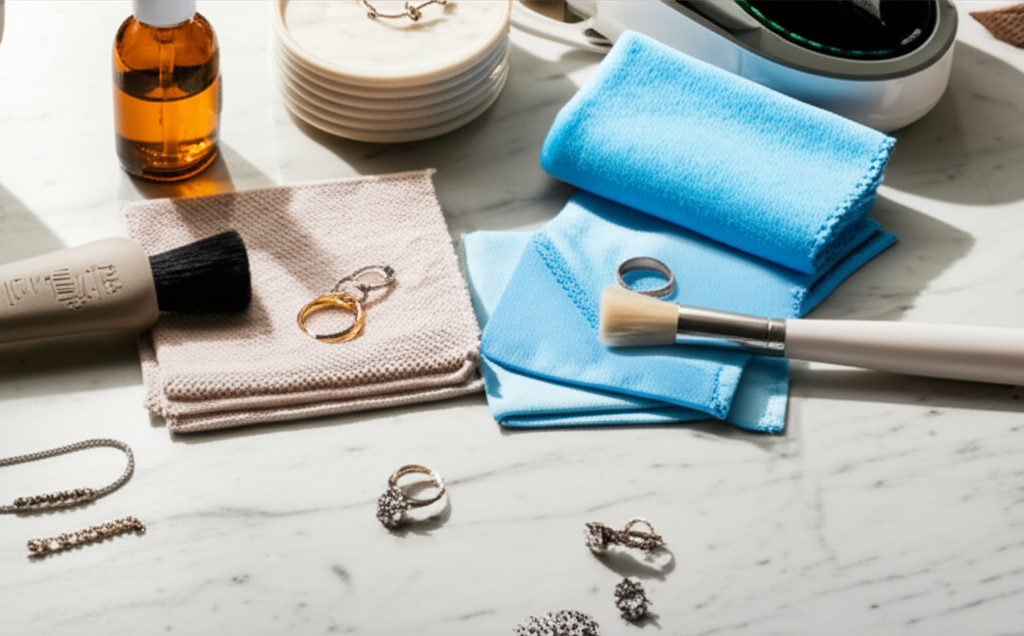
Having a few key items on hand will equip you to handle most common jewelry cleaning needs. These are the go-to supplies that offer a proven shine without risking damage to your precious items. I’ve found these to be indispensable in my own collection maintenance.
Gentle Dish Soap: The Everyday Hero
For most everyday jewelry, a mild dish soap is your best friend. It’s effective at cutting through grease and grime without being overly harsh. This is often the safest starting point for cleaning a wide variety of jewelry, especially those with everyday wear.
Soft Brushes: Reaching Every Nook and Cranny
A set of soft-bristled brushes is essential for gently scrubbing away dirt and debris. Look for brushes with very fine bristles, similar to those used for makeup or painting. These allow you to get into intricate settings and crevices without scratching the metal or damaging gemstones.
Lint-Free Cloths: For a Streak-Free Finish
After cleaning and rinsing, a soft, lint-free cloth is perfect for drying your jewelry. Microfiber cloths are an excellent choice as they are highly absorbent and won’t leave behind fuzzy residues. This ensures your pieces dry with a brilliant, streak-free shine.
Warm Water: The Universal Solvent
Warm (not hot) water is a crucial component in most jewelry cleaning routines. It helps to loosen dirt and grime, making it easier for soap and brushes to do their work. Always ensure the water is comfortable to the touch to avoid damaging heat-sensitive stones or metals.
Specialized Jewelry Cleaning Solutions and Tools
While everyday items suffice for many tasks, some situations call for more specialized jewelry cleaning supplies. These can offer deeper cleaning or address specific issues like tarnish. Using them correctly ensures you get the best results safely.
Jewelry Cleaning Solutions: Targeted Formulas
Commercial jewelry cleaning solutions are formulated for specific types of jewelry. There are solutions for gold, silver, diamonds, and general jewelry. Always read the product label carefully to ensure it’s suitable for your specific piece. Many reputable brands offer effective, safe formulas.
Silver Polishing Cloths and Pastes: Banishing Tarnish
For sterling silver that has tarnished, a specialized silver polishing cloth or paste is highly effective. These products contain mild abrasives and chemicals that remove the dark oxidation layer. Use them gently and follow the product’s instructions to avoid removing too much metal.
Ultrasonic Jewelry Cleaners: Deep Cleaning Power
Ultrasonic cleaners use high-frequency sound waves in a cleaning solution to create tiny bubbles that gently dislodge dirt. They are excellent for getting into very intricate designs and removing stubborn grime. However, they are not suitable for all jewelry types, especially those with porous stones, cracks, or loose settings.
Steam Cleaners: Professional Shine at Home
Jewelry steam cleaners use pressurized steam to break down dirt and oils. They can provide a professional-level clean, making gemstones and metals incredibly bright. Like ultrasonic cleaners, they require caution and are not suitable for all types of jewelry.
Step-by-Step Guide to Cleaning Your Jewelry at Home
Following a systematic approach ensures you clean your jewelry effectively and safely. This process is designed to be straightforward, even if you’re new to jewelry care. I find this routine keeps my most-worn pieces looking fantastic.
Step 1: Assess Your Jewelry
Before you begin, identify the materials your jewelry is made from. Separate pieces that are safe for general cleaning from those requiring special care (e.g., pearls, opals, emeralds). This initial assessment prevents accidental damage.
Step 2: Prepare Your Cleaning Station
Gather all your supplies: mild dish soap, warm water, a soft brush, lint-free cloths, and any specialized cleaners if needed. Ensure you have a clean, well-lit area to work. It’s also a good idea to have a stopper in your sink drain to prevent small items from falling in.
Step 3: Gentle Soaking (for most metals and diamonds)
Mix a few drops of mild dish soap with warm water in a small bowl. Submerge your jewelry (excluding porous stones or delicate pieces) for about 15–30 minutes. This loosens dirt and oils, making the next step easier.
Step 4: Scrubbing with a Soft Brush
Using your soft-bristled brush, gently scrub each piece. Pay close attention to the settings where dirt often accumulates. Be thorough but gentle, especially around delicate stones or intricate metalwork.
Step 5: Rinsing Thoroughly
Rinse each piece under cool running water to remove all soap residue. Ensure no soap remains, as this can dull the shine or irritate skin. If you used a specialized cleaner, follow its specific rinsing instructions.
Step 6: Drying and Polishing
Gently pat your jewelry dry with a soft, lint-free cloth. For a final polish, especially on metals like gold and silver, you can use a dedicated jewelry polishing cloth. Ensure every piece is completely dry before storing it.
Specific Cleaning Tips for Different Gemstones
Gemstones are the stars of many jewelry pieces, and they require tailored care. Understanding the unique properties of your stones will help you clean them effectively without causing harm. This is where knowing your jewelry really pays off.
Diamonds: Hard and Resilient
Diamonds are known for their hardness, making them relatively easy to clean. A simple soak in warm, soapy water followed by a gentle scrub with a soft brush is usually sufficient. Ultrasonic cleaners can also be effective for diamonds, but avoid them if the diamond has inclusions or is set in a way that might be compromised.
Pearls: Delicate and Organic
Pearls are organic gems and are quite delicate. They can be easily scratched or damaged by chemicals. Clean pearls by wiping them gently with a damp cloth after wearing them. If they need a more thorough clean, use a slightly damp cloth with a tiny bit of mild soap, then wipe with a clean, damp cloth, and let them air dry completely. Never soak pearls or use ultrasonic cleaners.
Emeralds, Opals, and Turquoise: Porous and Sensitive
These gemstones are more porous and sensitive. Emeralds often have natural inclusions and may be treated with oil or resin, which harsh cleaners can strip. Opals have a high water content and can crack if dried too quickly or exposed to extreme temperatures. Turquoise is also porous and can be discolored by oils and chemicals. For these, a gentle wipe with a soft, dry cloth is usually best. If absolutely necessary, use a barely damp cloth and dry immediately.
Cleaning Silver Jewelry: Tackling Tarnish
Sterling silver is beautiful but prone to tarnishing, a chemical reaction that turns the surface dark. Fortunately, there are effective ways to restore its shine. Choosing the right method depends on the severity of the tarnish and your preference.
Using Silver Polishing Cloths
These cloths are impregnated with a gentle cleaning agent and are ideal for light to moderate tarnish. Simply rub the tarnished areas of your silver jewelry with the cloth. They are convenient and provide a quick shine without messy pastes.
Silver Polishing Pastes and Liquids
For heavier tarnish, silver polishing pastes or liquids offer a more robust cleaning. Apply a small amount to a soft cloth and gently rub the silver. Rinse thoroughly afterward and dry completely. Be aware that these can be more abrasive, so use them sparingly.
The Baking Soda and Aluminum Foil Method
A popular home remedy involves lining a bowl with aluminum foil, adding a tablespoon of baking soda, and then placing your silver jewelry on top. Pour hot (not boiling) water over the items. The chemical reaction helps lift the tarnish. Rinse and dry thoroughly.
Maintaining Your Jewelry’s Shine Between Cleanings
Regular maintenance is key to keeping your jewelry looking its best and reducing the need for deep cleaning. Simple habits can make a significant difference in preserving the sparkle and condition of your pieces. Think of it as preventative care for your treasures.
Proper Storage is Crucial
Store your jewelry in a dry, dark place, ideally in separate compartments or soft pouches. This prevents scratching, tangling, and exposure to air and moisture that can cause tarnish or damage. Jewelry boxes with soft linings are excellent for this purpose.
Avoid Harsh Chemicals and Activities
Remove your jewelry before swimming (especially in chlorinated pools), showering, cleaning with harsh chemicals, or engaging in strenuous activities. Lotions, perfumes, hairspray, and household cleaners can all dull the finish or damage gemstones. Apply these products before putting on your jewelry.
Regular Inspections
Periodically inspect your jewelry for loose stones or damaged settings. If you notice any issues, take the piece to a professional jeweler for repair before it leads to a lost stone or further damage. This proactive step can save you from costly repairs down the line.
When to Call a Professional Jeweler
While most jewelry cleaning can be done at home, there are times when professional help is recommended. For valuable pieces, antique items, or jewelry with intricate settings and delicate stones, a jeweler’s expertise is invaluable. They have specialized tools and knowledge to clean and maintain your most precious items safely.
Deep Cleaning and Polishing
Professional jewelers can perform deep cleaning and polishing services that go beyond home methods. They can often restore the brilliance of heavily tarnished or scratched pieces. This is especially useful for heirloom jewelry that you want to preserve for generations.
Stone Setting Checks and Repairs
If you suspect a stone is loose or a setting is damaged, a jeweler can assess and repair it. They have the precision tools to ensure stones are secure. Attempting to fix this yourself can lead to further damage.
Specialized Cleaning for Antique or Delicate Pieces
Antique jewelry or pieces made with very delicate materials should ideally be cleaned by a professional. They understand the specific needs of historical pieces and can prevent damage that might occur with standard cleaning methods.
Frequently Asked Questions About Jewelry Cleaning Supplies
Here are answers to some common questions beginner jewelry owners have about cleaning their precious pieces.
Q1: How often should I clean my jewelry?
A1: For everyday wear, a quick clean with warm, soapy water and a soft brush about once a month is usually sufficient. More delicate or valuable pieces might need less frequent cleaning, while pieces worn for special occasions might benefit from cleaning before each use.
Q2: Can I use toothpaste to clean my jewelry?
A2: It’s generally not recommended. Toothpaste is abrasive and can scratch softer metals and gemstones. While it might seem to make things shiny initially, it can cause micro-scratches that dull the finish over time.
Q3: Is it safe to use household cleaners on my jewelry?
A3: No, most household cleaners are too harsh. Ammonia, bleach, and chlorine can damage metals and gemstones. Always opt for mild dish soap or specialized jewelry cleaners.
Q4: What’s the best way to clean my diamond ring?
A4: A warm, soapy water soak followed by gentle scrubbing with a soft toothbrush and thorough rinsing is excellent for diamond rings. Ensure you rinse all soap residue to maintain maximum sparkle.
Q5: How do I clean jewelry with multiple types of stones?
A5: If your jewelry has a mix of stones, err on the side of caution. Clean it using the gentlest method suitable for the most delicate stone in the piece. Avoid ultrasonic cleaners or harsh chemicals altogether.
Q6: Can I use rubbing alcohol to clean jewelry?
A6: Rubbing alcohol can be used for some jewelry, particularly for disinfecting. However, it can be drying to some organic gems and may affect certain finishes. It’s best to use it sparingly and test on an inconspicuous area first.
Conclusion: Shine Bright with the Right Jewelry Cleaning Supplies
Maintaining the brilliance of your jewelry is an achievable goal with the right knowledge and a few essential jewelry cleaning supplies. From the everyday effectiveness of mild dish soap and a soft brush to specialized solutions for tackling tarnish on silver or ensuring the safety of delicate gemstones, there’s a proven method for every piece. By understanding your jewelry’s materials and following simple, consistent cleaning routines, you can ensure your treasured items retain their sparkle and beauty for years to come. Invest a little time and the right supplies, and your jewelry will always shine bright.
