


Published on: September 16, 2025 | Updated on: September 16, 2025
Transforming an attic into a shared home office offers a genius, effective solution for maximizing underutilized space, boosting productivity, and creating distinct work zones for multiple users.
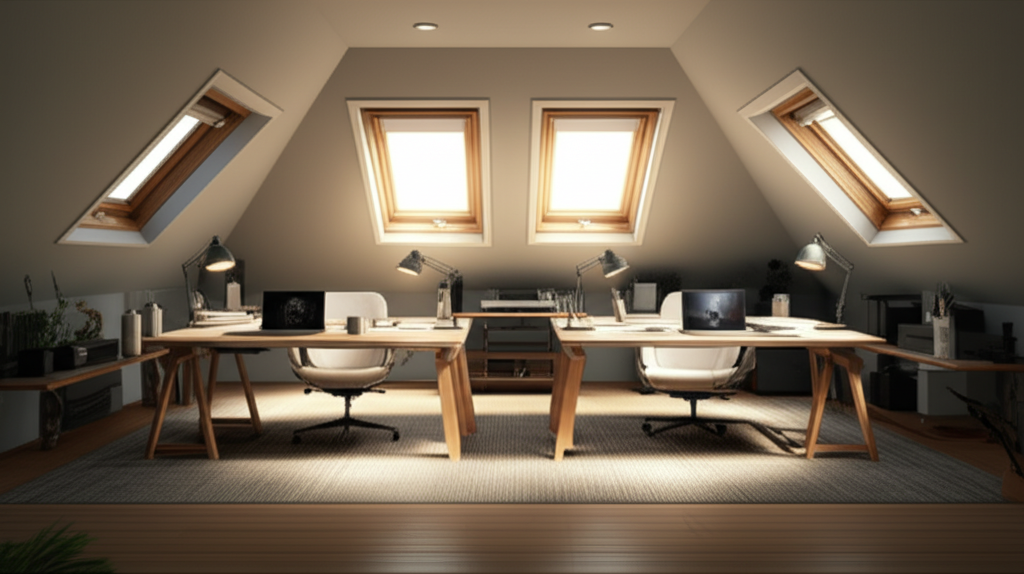
Creating a dedicated workspace at home is no longer a luxury, but a necessity for many. Yet, finding the right space can feel like a constant challenge, especially for those juggling multiple occupants in their homes. If you’ve looked up and seen that often-forgotten attic space, you might be wondering if it holds the key to your productivity woes. The good news is, a shared home office in attic space isn’t just feasible; it can be a truly genius and effective solution. This guide will walk you through transforming this often-overlooked area into a functional, inspiring, and highly productive environment for everyone who needs it. Get ready to unlock the potential of your attic and redefine your work-from-home experience.

Attics often present a unique set of challenges, from sloped ceilings to limited natural light. However, these very characteristics can be leveraged to create surprisingly effective and cozy workspaces. For a shared home office, the inherent separation from the main living areas offers a much-needed sense of focus and privacy. This isolation, when managed correctly, can significantly boost concentration and reduce household distractions.
Furthermore, attics are typically underutilized spaces, making them an ideal candidate for a home office conversion without sacrificing precious living area downstairs. The distinct atmosphere of an attic can also foster a sense of calm and separation from everyday life, which is crucial for productivity. Transforming this forgotten corner into a shared hub for work can be a game-changer for households with multiple remote workers.
Before diving into design and furniture, a thorough assessment of your attic space is crucial. Understanding its limitations and unique features will guide your entire planning process. Consider the structural integrity, insulation levels, and any existing electrical wiring. These are foundational elements that will impact the comfort and safety of your new workspace.
Think about the natural light available; are there windows, or will you need to add them? Measure the usable floor space, paying close attention to the height of the sloped ceilings. Identifying these aspects early will prevent costly mistakes and ensure your shared home office in attic space is both practical and enjoyable.
Designing for Dual (or More!) Productivity: Zoning and Layout
The key to a successful shared home office in attic space lies in effective zoning and layout. You need to create distinct areas for each user, ensuring privacy and minimizing interruptions. This doesn’t necessarily mean building walls; clever furniture placement and strategic use of dividers can achieve this separation.
Consider the flow of movement within the space and how each user will access their workstation. Ensure there’s enough room for comfortable movement and storage for each individual’s belongings. A well-planned layout is paramount for harmonious co-working in a confined attic environment.
Optimizing Layout for Sloped Ceilings
Sloped ceilings in attics are a defining characteristic that requires thoughtful design. You’ll want to position desks and primary work areas where the ceiling height is most accommodating. Often, this means placing seating areas or lower storage units against the lower walls.
Utilizing vertical space becomes incredibly important in an attic setting. Think about wall-mounted shelves, monitor arms, and overhead storage solutions to maximize every inch. This approach ensures that the unique architecture of the attic enhances, rather than hinders, your shared home office.
Creating Visual and Acoustic Separation
Even with physical proximity, visual and acoustic separation can make a significant difference in a shared space. Use different paint colors or accent walls to subtly demarcate zones. Room dividers, such as bookshelves or strategically placed plants, can also create a sense of personal space.
For acoustic privacy, consider investing in noise-canceling headphones for each user, especially if the attic is not well-insulated. Soft furnishings like rugs and curtains can also help absorb sound and create a quieter atmosphere. These elements contribute to a more focused and less intrusive shared home office in attic space.
Choosing the right furniture is critical for comfort, functionality, and space optimization in a shared attic office. Since attics often have unconventional dimensions, selecting versatile and appropriately sized pieces is key. Prioritize ergonomic designs to ensure long-term comfort and productivity for everyone using the space.
Invest in pieces that offer smart storage solutions, as clutter can quickly overwhelm a smaller attic. Think about how furniture can be adapted to fit around sloped ceilings and create distinct work zones. The right furniture will make your shared home office in attic space both practical and inviting.
Ergonomic Chairs: The Foundation of Comfort
For any home office, but especially for a shared one where comfort is paramount, ergonomic chairs are non-negotiable. Look for chairs that offer adjustable height, lumbar support, and armrests to cater to different body types and preferences. This investment directly impacts well-being and sustained productivity.
When selecting chairs for a shared space, consider options that are easy to adjust and maintain. Durability is also a key factor, as they will likely see a lot of use. A comfortable user is a productive user, and ergonomic chairs are the first step to achieving this.
Desks: Balancing Space and Functionality
Selecting desks for a shared attic office requires careful consideration of space and individual needs. L-shaped desks can be excellent for defining individual zones within a larger area, especially if they can be configured to fit around attic angles. Alternatively, two smaller, matching desks can create a symmetrical and organized feel.
Consider desks with built-in storage or those that can be paired with modular shelving units. Standing desks, or desk converters, are also a fantastic option for promoting movement and catering to different working styles. The goal is to provide each user with adequate workspace without making the attic feel cramped.
Smart Storage Solutions: Conquering Clutter
Clutter is the enemy of productivity, and in a shared attic office, it can quickly become overwhelming. Invest in smart storage solutions that maximize vertical space and keep workstations tidy. Wall-mounted shelves, floating shelves, and narrow, tall bookcases are excellent choices for attics.
Consider modular storage systems that can be adapted to fit the unique angles of the attic. Under-desk drawers, file cabinets, and wall-mounted organizers can help keep essential items accessible but out of sight. Effective storage ensures that your shared home office in attic space remains a calm and organized environment.
Lighting the Way to Productivity: Natural and Artificial Light
Lighting plays a pivotal role in the atmosphere and functionality of any workspace, and an attic office is no exception. Attics often lack ample natural light, making strategic artificial lighting crucial for creating a bright, energizing, and eye-friendly environment. A well-lit space can combat the potential gloominess of an attic and significantly boost mood and productivity.
The combination of natural and artificial light sources is key to a successful shared home office in attic space. Aim for layered lighting that addresses task, ambient, and accent needs. This ensures that each user has sufficient light for their specific tasks and that the overall space feels welcoming and conducive to work.
Maximizing Natural Light
If your attic has windows, make the most of them. Keep window treatments minimal to allow maximum light penetration; sheer curtains or blinds that can be fully retracted are ideal. Position workstations near windows whenever possible to benefit from natural daylight, which is proven to improve mood and reduce eye strain.
If natural light is scarce, consider adding more windows or skylights if your budget and home structure allow. Even a small increase in natural light can dramatically improve the feel of the attic. Maximizing natural light is an eco-friendly and health-conscious approach to lighting your shared home office.
Strategic Artificial Lighting
Since natural light can be inconsistent, a layered approach to artificial lighting is essential. Ambient lighting provides overall illumination; think ceiling fixtures or strategically placed floor lamps. Task lighting, such as desk lamps, is crucial for individual workstations, ensuring each user has focused light for reading and writing.
Consider adjustable desk lamps that allow users to direct light where they need it most. LED bulbs are energy-efficient and come in various color temperatures, allowing you to choose between cooler, more energizing light or warmer, cozier tones. Proper artificial lighting can transform a dim attic into a vibrant and productive shared home office.
Color Palette and Décor: Creating an Inspiring Atmosphere
The aesthetic of your shared home office in attic space significantly impacts the mood and motivation of its users. Choosing the right color palette and décor can turn a potentially dull or cramped area into an inspiring and welcoming environment. For attics, which can sometimes feel enclosed, opting for lighter, brighter colors is often a wise choice.
The décor should be functional yet inspiring, reflecting the personalities and preferences of those who will use the space. Aim for a balance that promotes focus while also offering elements of personal expression. This makes the shared home office in attic space a place where people genuinely want to spend their working hours.
Light and Airy Color Schemes
Lighter paint colors, such as whites, creams, soft grays, and pastels, can make an attic feel larger and more open. These colors reflect light, helping to combat the potential dimness of an attic space. Using a consistent color palette throughout the shared area creates a sense of cohesion.
You can introduce subtle variations or accent colors to differentiate individual zones without making the space feel fragmented. For example, one desk area might have a light blue accent wall, while another features a soft sage green. These choices contribute to a visually appealing and comfortable shared home office.
Personalization and Motivational Touches
While maintaining a cohesive design, allow for personalization within each user’s designated area. This is where motivational touches come into play. Think about incorporating elements that inspire each individual, whether it’s artwork, plants, or personal mementos.
For a shared space, ensure that personalization doesn’t lead to excessive clutter. Encourage each user to curate their personal items thoughtfully. Plants, in particular, can add life and improve air quality, making the shared home office in attic space a more pleasant environment.
Technology and Connectivity: Powering Your Workspace
Seamless technology integration is fundamental for any modern home office, and a shared attic space is no different. Ensuring reliable internet connectivity and sufficient power outlets for multiple users is a top priority. Planning for technology needs upfront will prevent frustration and keep productivity flowing smoothly.
Consider the placement of routers, power strips, and cable management solutions to maintain a clean and organized workspace. Investing in the right technological infrastructure will make your shared home office in attic space a highly efficient and functional hub. This foundational element supports all other aspects of your work.
Internet Connectivity and Wi-Fi Strength
A stable and strong internet connection is paramount for remote work. Attics can sometimes be notorious for poor Wi-Fi signals due to their distance from the main router. Consider investing in a Wi-Fi extender or a mesh network system to ensure robust coverage throughout the attic space.
Test your Wi-Fi speed in the attic before committing to furniture and setup. If the signal is consistently weak, consult with your internet provider or explore professional installation of network access points. Reliable connectivity is the backbone of any productive shared home office in attic space.
Power Outlets and Cable Management
Multiple users mean multiple devices, requiring ample power outlets. Assess the existing electrical setup in your attic and determine if additional outlets are needed. Always consult with a qualified electrician for any electrical work to ensure safety and compliance with building codes.
Cable management is crucial for maintaining a clean and organized appearance, especially in a shared space. Invest in cable clips, sleeves, or raceways to keep cords tidy and out of sight. This not only looks better but also reduces tripping hazards and makes cleaning easier.
Ventilation and Climate Control: Ensuring Comfort
Attics can be prone to temperature fluctuations and can sometimes feel stuffy or overly hot/cold. Ensuring proper ventilation and climate control is essential for creating a comfortable and productive shared home office in attic space. A space that is too hot, too cold, or poorly ventilated will quickly become a place people avoid.
Addressing these environmental factors upfront will significantly enhance the usability and appeal of your converted attic. Comfortable working conditions are fundamental to sustained focus and well-being, especially when sharing a space. Prioritizing comfort makes the attic a desirable place to work.
Improving Air Circulation
Good air circulation is vital for preventing stale air and maintaining a comfortable temperature. If your attic doesn’t have adequate ventilation, consider installing an attic fan or ensuring that any existing vents are clear and functional. Portable fans can also provide localized cooling and air movement.
Strategically placed fans can help circulate air from lower floors or create a cross-breeze if you have windows. Maintaining good airflow is a simple yet effective way to improve the overall atmosphere of your shared home office in attic space. This simple step can make a big difference in comfort.
Temperature Regulation
Depending on your climate and attic insulation, you may need to address heating and cooling. If the attic gets too hot in summer, consider adding insulation, reflective barriers, or a dedicated air conditioning unit. In colder months, ensure adequate heating; a portable electric heater or extending your home’s heating system might be necessary.
Smart thermostats can help manage temperature efficiently, especially if the attic is only used for work. For well-insulated attics, a small, energy-efficient space heater or cooler might suffice. Maintaining a consistent and comfortable temperature is key to user satisfaction in your shared workspace.
Soundproofing and Noise Reduction Strategies
Noise can be a major disruptor in any home office, but it’s a magnified concern in a shared attic space. Attics can sometimes amplify sounds from the rest of the house or even from outside. Implementing soundproofing and noise reduction strategies is crucial for fostering concentration and minimizing distractions for all users.
These strategies can range from simple, DIY solutions to more involved renovations. The goal is to create a peaceful sanctuary where focused work can thrive, even with multiple people present. Effective noise management is a cornerstone of a successful shared home office in attic space.
Addressing Noise from Above and Below
Sounds can travel easily between floors. Adding thick rugs or carpeting to the attic floor can help absorb impact noise from above. If you’re looking to reduce noise transmission from the living spaces below, consider adding extra insulation or a sound-dampening underlayment to the attic floor.
Ceiling treatments, such as acoustic panels or even strategically placed soft furnishings, can also help absorb sound within the attic itself. These measures create a more tranquil environment for everyone using the shared workspace. Reducing noise transmission is a vital step.
Minimizing Distractions Within the Space
Beyond external noise, internal distractions can also be a problem. As mentioned earlier, noise-canceling headphones are an excellent personal solution for individuals needing deep focus. Visual dividers, like bookshelves filled with books or plants, can also act as subtle sound baffles.
For shared workspaces, establishing clear communication protocols about noise levels can also be beneficial. Agreeing on quiet hours or when headphones are expected can foster mutual respect and ensure a productive atmosphere. These internal strategies support a peaceful shared home office in attic space.
Maximizing the Attic’s Unique Charm
While functionality is key, don’t forget to embrace the unique character of your attic space. The sloped ceilings, exposed beams, or charming nooks can be transformed into design features rather than obstacles. Infusing personality into the space can make it feel more inviting and less like a utilitarian afterthought.
By working with the attic’s natural architecture, you can create a shared home office that is not only effective but also full of character. This approach ensures that the space is a pleasure to work in, boosting morale and creativity for everyone. Let the attic’s charm shine through.
Embracing Sloped Ceilings
Instead of fighting against sloped ceilings, incorporate them into your design. Use the lower areas for built-in benches, storage cabinets, or even a cozy reading nook. Higher, more open areas are ideal for primary workstations.
Consider low-profile furniture or wall-mounted solutions that fit neatly under the eaves. Exposed beams can be highlighted with lighting or painted to become a decorative element. This architectural feature can add a unique warmth and character to your shared home office in attic space.
Adding Personality with Décor
Let your personality and the collective spirit of the users shine through in the décor. This could involve carefully selected artwork, plants, or functional items that also serve as decorative accents, like stylish desk organizers. The aim is to create a space that feels inspiring and reflective of those who use it.
Consider a mood board that captures the desired aesthetic for the shared home office in attic space. This can help ensure that individual contributions to the décor complement each other and contribute to the overall harmonious atmosphere. A well-decorated space can foster a sense of ownership and pride.
Frequently Asked Questions (FAQ)
Q1: Is it expensive to convert an attic into a shared home office?
The cost can vary widely depending on the extent of renovations needed, such as adding insulation, electricity, or windows. However, a basic conversion focusing on furniture and lighting can be relatively affordable. Prioritizing essential upgrades like good lighting and comfortable seating will yield the best return on investment.
Q2: How can I ensure privacy in a shared attic office?
Utilize furniture placement to create distinct zones, employ room dividers like bookshelves, and encourage the use of noise-canceling headphones. If possible, ensure each user has their own dedicated desk space. Clear communication about boundaries and quiet times is also vital.
Q3: What if my attic has very low ceilings?
For very low ceilings, focus on modular, low-profile furniture. Wall-mounted desks or fold-down desks can be excellent space-saving solutions. Utilize vertical space with wall shelves and consider a standing desk converter that can be easily stored away.
Q4: How do I deal with heat in an attic office during summer?
Proper insulation is key. If it’s still too warm, consider installing an attic fan, a portable air conditioner, or a high-quality ceiling fan. Light-colored paint and minimal window coverings will also help reflect heat.
Q5: Can I use my attic office year-round?
Yes, with proper insulation and climate control. Ensure adequate heating in winter and cooling in summer. Good ventilation is also essential for comfort in all seasons, making your shared home office in attic space usable throughout the year.
Q6: What are the best lighting options for a dark attic?
Layered lighting is crucial. Use bright, overhead ambient lighting, adjustable task lamps for each workstation, and consider accent lighting to highlight features. Dimmable lights offer flexibility for different times of day and tasks.
Conclusion: Unlocking Your Attic’s Productivity Potential
Transforming an attic into a shared home office is a brilliant strategy for maximizing underutilized space and creating highly effective workspaces for multiple individuals. By carefully assessing your attic’s potential, thoughtfully zoning the layout, and selecting appropriate furniture and lighting, you can overcome common attic challenges. Embracing the unique charm of the space, while implementing practical solutions for climate control and noise reduction, will result in a functional, comfortable, and inspiring environment. This genius approach to a shared home office in attic space proves that even the most unconventional areas can become powerhouses of productivity and well-being.
