


Published on: September 2, 2025 | Updated on: September 2, 2025
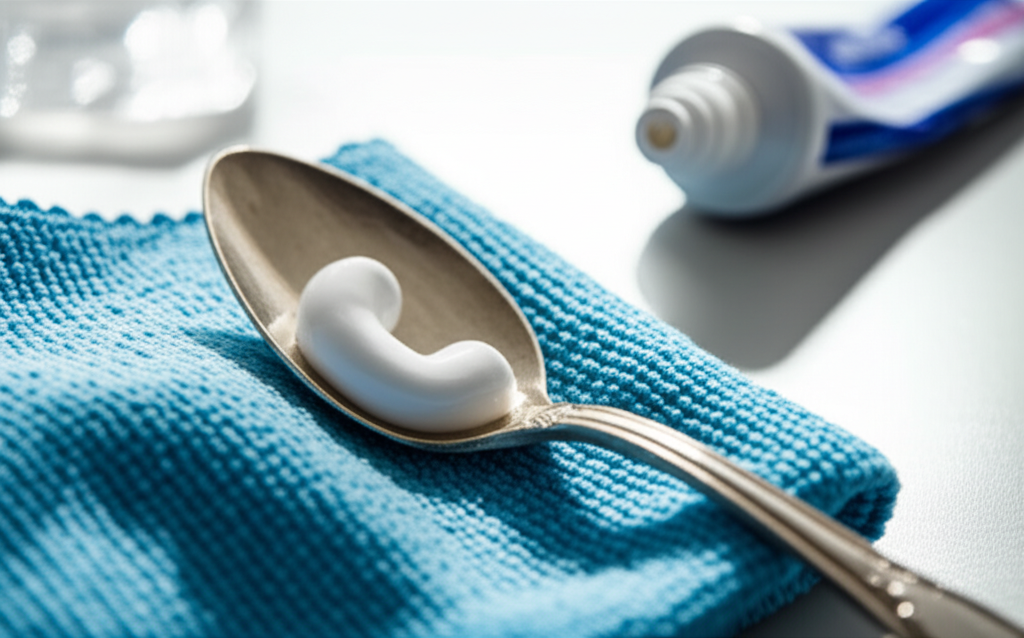
Yes, toothpaste can be a surprisingly effective and genius method to clean silver, reviving its shine with common household items. This guide details the simple, step-by-step process for a brilliant, tarnish-free finish.
You know that feeling when your cherished silver teapot, antique jewelry, or even your favorite silverware starts to dull and tarnish? It’s frustrating, right? That beautiful gleam disappears, replaced by a murky, gray film that just looks… old. You might think you need expensive, specialized silver polish, but what if I told you a common item lurking in your bathroom cabinet could be the answer? That’s right, we’re talking about toothpaste. It might sound unconventional, but trust me, this is a genius, effective method to bring your silver back to its sparkling best.
Is Toothpaste Really a Good Way to Clean Silver?
Many people are surprised to learn that toothpaste can indeed be a highly effective method for cleaning silver. Its mild abrasive qualities, when used correctly, can gently buff away tarnish without scratching the metal. It’s a readily available, budget-friendly solution that often yields impressive results, making it a go-to for many seeking a quick and easy silver cleaning fix.
The Science Behind Toothpaste and Silver Tarnish

Tarnish on silver is essentially a chemical reaction, usually with sulfur compounds in the air, forming silver sulfide. This creates a dark layer on the surface. Toothpaste, particularly non-gel varieties, contains very fine, mild abrasives like silica or calcium carbonate. These microscopic particles work like a gentle scrub brush, lifting the tarnish layer from the silver’s surface without causing significant damage if applied with care.
Why Choose Toothpaste Over Commercial Silver Polish?
Commercial silver polishes often contain stronger chemicals and abrasives. While effective, they can be harsh, have strong fumes, and can sometimes remove too much of the silver’s surface, especially with plated items. Toothpaste offers a more accessible, less chemically intensive alternative that many find just as effective for everyday tarnish. It’s also a solution many already have at home, saving a trip to the store.
Gathering Your Silver Cleaning Supplies
Before we dive into the actual cleaning, let’s make sure you have everything you need. Having all your supplies ready will make the process smooth and efficient, ensuring you get the best results for your tarnished silver pieces. It’s always better to be prepared!
Essential Items You’ll Need
Toothpaste: Crucially, opt for a plain white, non-gel, non-whitening toothpaste. Avoid those with gritty particles, whitening agents, or strong flavors, as these can be too abrasive or leave residue.
Soft Cloths: You’ll need at least two. Microfiber cloths are ideal for applying the paste and for buffing. A soft cotton cloth can also work.
Lukewarm Water: For rinsing.
A Soft Brush (Optional): A soft-bristled toothbrush can be helpful for reaching intricate details on jewelry or ornate items.
Gloves (Recommended): To protect your hands from the toothpaste and any residual tarnish.
A Bowl or Sink: For rinsing.
What Kind of Toothpaste to Avoid
It’s vital to select the right kind of toothpaste for this task. Gel toothpastes are generally not suitable because they lack the necessary mild abrasives. Similarly, avoid toothpastes with harsh whitening agents, crystals, or extra-fine grit, as these can potentially scratch or dull your silver. Always stick to the basic, paste-like white formula.
Step-by-Step Guide: How to Clean Silver with Toothpaste
Now that you have your supplies, let’s get to the good part – making that silver shine again! This method is straightforward and surprisingly satisfying. Follow these steps carefully for a brilliant, tarnish-free finish.
Step 1: Prepare Your Silver Item
Begin by ensuring your silver item is clean from any surface dirt or grease. A quick rinse under lukewarm water and a gentle wipe with a soft cloth should suffice. This initial cleaning ensures that the toothpaste can work directly on the tarnish, not on accumulated grime.
Step 2: Apply the Toothpaste
Take a small amount of your chosen white toothpaste and apply it directly to the tarnished areas of the silver. You can use your finger or a soft cloth for application. Don’t glob it on; a thin, even layer is all you need.
Step 3: Gently Rub the Silver
Using a soft cloth or your fingertip, gently rub the toothpaste into the silver in a circular motion. Focus on the tarnished spots. If you’re cleaning intricate items like jewelry, a soft-bristled toothbrush can be used very gently to get into crevices. Remember, the key is gentle pressure; let the mild abrasives do the work.
Step 4: Rinse Thoroughly
Once you’ve covered the tarnished areas and gently rubbed them, it’s time to rinse. Thoroughly wash the silver item under lukewarm running water. Ensure all toothpaste residue is completely washed away, as any leftover paste can dry and become difficult to remove, potentially dulling the shine.
Step 5: Dry and Buff
Immediately after rinsing, dry the silver completely with a clean, soft cloth. Then, use a separate dry, soft cloth to buff the silver to a brilliant shine. This buffing step is crucial for bringing out the full luster and removing any faint streaks left from the cleaning process.
Tips for Cleaning Different Types of Silver Items
While the basic toothpaste method works for most silver items, certain pieces might require a slightly different approach or extra care. Knowing these nuances will help you achieve the best results for everything from delicate jewelry to larger household items.
Cleaning Silver Jewelry
For silver jewelry, especially pieces with intricate designs or gemstones, be extra gentle. Apply toothpaste sparingly and use a very soft-bristled toothbrush to clean around settings and filigree. Avoid getting toothpaste on porous gemstones like pearls or opals, as it can damage their surface. A final polish with a jewelry polishing cloth can enhance the shine. For advice on caring for specific gemstones, consult resources like the Gemological Institute of America (GIA).
Cleaning Silverware and Cutlery
Silverware often experiences tarnish in hard-to-reach areas between the tines of forks or around spoon bowls. The toothpaste method works well here. Apply paste and use a soft cloth or a soft toothbrush to gently clean these areas. Rinse thoroughly and dry immediately to prevent water spots.
Cleaning Larger Silverware or Decorative Items
For larger items like serving trays, bowls, or decorative pieces, you might need more toothpaste and a larger soft cloth. Work in sections, applying paste and rubbing gently. For very large or heavily tarnished items, multiple applications might be necessary. Always ensure a thorough rinse and buffing for a uniform shine.
Pros and Cons of Using Toothpaste to Clean Silver
Like any cleaning method, using toothpaste for silver has its advantages and disadvantages. Understanding these will help you decide if it’s the right approach for your specific needs and silver items. It’s a balance of convenience and potential risk.
The Advantages
Cost-Effective: Toothpaste is inexpensive and readily available in most households.
Convenient: No need to buy specialized cleaning products; you likely already have what you need.
Mildly Abrasive: Effectively removes light to moderate tarnish without being overly harsh.
Gentle Fumes: Unlike many commercial polishes, it has minimal, pleasant scent.
Accessible: Easy to use for beginners with minimal risk when done correctly.
The Disadvantages
Not for Heavy Tarnish: May not be sufficient for heavily tarnished or deeply corroded silver.
Potential for Scratching: Using the wrong type of toothpaste or too much pressure can cause micro-scratches.
Not Ideal for Silver Plate: Can wear away the plating on silver-plated items over time with frequent use.
Residue Issues: If not rinsed properly, dried toothpaste can be difficult to remove and may dull the shine.
Ineffective on Certain Finishes: May not work well on antique or patinated silver where the dark finish is intentional.
When to Avoid the Toothpaste Method
While toothpaste is a great go-to for many silver cleaning needs, there are specific situations where it’s best to avoid it. Recognizing these instances will help protect your valuable silver pieces from damage or unwanted alterations. Always consider the material and its finish.
For Heavily Tarnished or Corroded Silver
If your silver is extremely dark, black, or shows signs of pitting, toothpaste might not be strong enough to remove the deep tarnish. In such cases, a dedicated silver polish or professional cleaning might be a better option. Relying solely on toothpaste could lead to excessive scrubbing and potential damage.
For Antique or Patinated Silver
Some antique silver pieces are designed to have a darkened patina in certain areas, which adds to their value and aesthetic appeal. Using toothpaste will likely remove this patina, altering the original look of the piece. It’s best to preserve the intended finish of such items.
For Silver-Plated Items
Silver plating is a thin layer of silver over a base metal. Frequent or aggressive cleaning with abrasives like toothpaste can wear down this plating over time, exposing the base metal underneath. For silver-plated items, use the gentlest cleaning methods possible, or opt for specialized silver-plate cleaners.
Alternative Natural Methods for Cleaning Silver
If toothpaste isn’t the right fit for your silver item, or you’re simply curious about other natural cleaning solutions, there are several effective alternatives. These methods also leverage common household ingredients to tackle tarnish. Exploring these options can provide a broader toolkit for silver care.
Baking Soda and Aluminum Foil Method
This is another popular DIY method. Line a bowl with aluminum foil, place your silver item on top, and cover it with hot water and a tablespoon or two of baking soda. The reaction between the foil, baking soda, and tarnish creates a chemical process that lifts the tarnish. It’s very effective but requires careful rinsing. For more details on this method, check out guides on Good Housekeeping.
Lemon Juice and Baking Soda Paste
A paste made from lemon juice and baking soda can also work. The acidity of the lemon juice helps break down tarnish, and the baking soda provides a mild abrasive action. Apply the paste, let it sit for a few minutes, then gently rub and rinse thoroughly.
Salt and Aluminum Foil Soak
Similar to the baking soda method, a soak with salt and aluminum foil in hot water can also help. The salt enhances the conductivity, aiding the electrochemical reaction that removes tarnish. Ensure all components are rinsed off completely afterward.
Maintaining Your Silver’s Shine
Once you’ve successfully cleaned your silver, you’ll want to keep it looking its best for as long as possible. Proper maintenance is key to preventing tarnish from building up too quickly, so you can enjoy your gleaming silver items. Regular care makes future cleaning much easier.
Proper Storage
The best way to prevent tarnish is to minimize the silver’s exposure to air and sulfur. Store your clean silver in airtight containers or bags. Anti-tarnish cloths or strips placed inside storage boxes can also absorb sulfur compounds. Avoid storing silver with rubber bands, as rubber can accelerate tarnishing.
Regular Gentle Wiping
Even without visible tarnish, giving your silver items a gentle wipe with a soft, dry cloth every so often can help remove surface oils and dust. This simple habit can significantly slow down the tarnishing process and keep your silver looking its best between deeper cleans.
Avoiding Harsh Chemicals
When cleaning other household items, be mindful of where your silver is stored or if it’s nearby. Exposure to certain chemicals, like hairspray, perfume, rubber, or even some foods, can accelerate tarnishing. Keep your silver items separate from these potential culprits.
Frequently Asked Questions About Toothpaste and Silver Cleaning
Got more questions about using toothpaste to clean silver? We’ve gathered some of the most common queries to help you feel confident in this cleaning method. Here are answers to keep your silver sparkling.
Can I use whitening toothpaste on silver?
No, it’s best to avoid whitening toothpaste. The extra chemicals and abrasives in whitening formulas can be too harsh and potentially scratch or damage your silver, especially if it’s silver-plated. Stick to plain white, non-gel toothpaste.
How often can I clean silver with toothpaste?
You can use the toothpaste method whenever your silver shows signs of tarnish. However, avoid doing it too frequently, especially on valuable or antique pieces, as even mild abrasives can cause wear over time. For silver-plated items, use this method sparingly.
Will toothpaste scratch my silver?
When used gently with a soft cloth and plain white toothpaste, the risk of scratching is minimal. However, if you use excessive pressure, a toothpaste with coarse grit, or rub too vigorously, micro-scratches can occur. Always err on the side of gentleness.
What if the toothpaste leaves a white residue?
If you notice a white residue after cleaning, it means not all the toothpaste was rinsed away. Gently re-rinse the item under lukewarm water and dry it thoroughly. You can also try buffing with a damp soft cloth, followed by a dry one, to remove any stubborn remnants.
Is this method safe for all types of silver jewelry?
It’s generally safe for sterling silver jewelry, but caution is advised for pieces with gemstones, pearls, or intricate enamel work. Always check the specific care instructions for your jewelry and test the method on an inconspicuous area first if you’re unsure. Avoid contact with porous stones.
Can I use toothpaste to clean tarnished silver coins?
Cleaning silver coins with toothpaste is generally not recommended by numismatists (coin collectors). Toothpaste can easily scratch the surface of coins, removing valuable minting details or altering their surface, which significantly reduces their collector value. It’s best to leave coins as they are or seek specialized coin cleaning advice.
Conclusion: A Brilliant Shine with a Simple Solution
So there you have it – toothpaste to clean silver isn’t just a myth; it’s a genuinely genius and effective method for restoring the luster to your cherished silver items. From your everyday cutlery to treasured heirlooms, this accessible solution offers a way to combat tarnish without resorting to harsh chemicals or expensive products. Remember to always choose a plain white, non-gel toothpaste and to be gentle during the cleaning process.
By following the simple steps outlined above, you can revive the sparkle in your silver, bringing back that beautiful gleam. Proper storage and regular gentle care will help maintain its shine between cleanings. While it’s a fantastic DIY option, always consider the specific nature of your silver item – especially if it’s antique, patinated, or plated – and opt for gentler or specialized methods when necessary. Happy cleaning, and enjoy your beautifully polished silver!
