


Published on: September 16, 2025 | Updated on: September 16, 2025
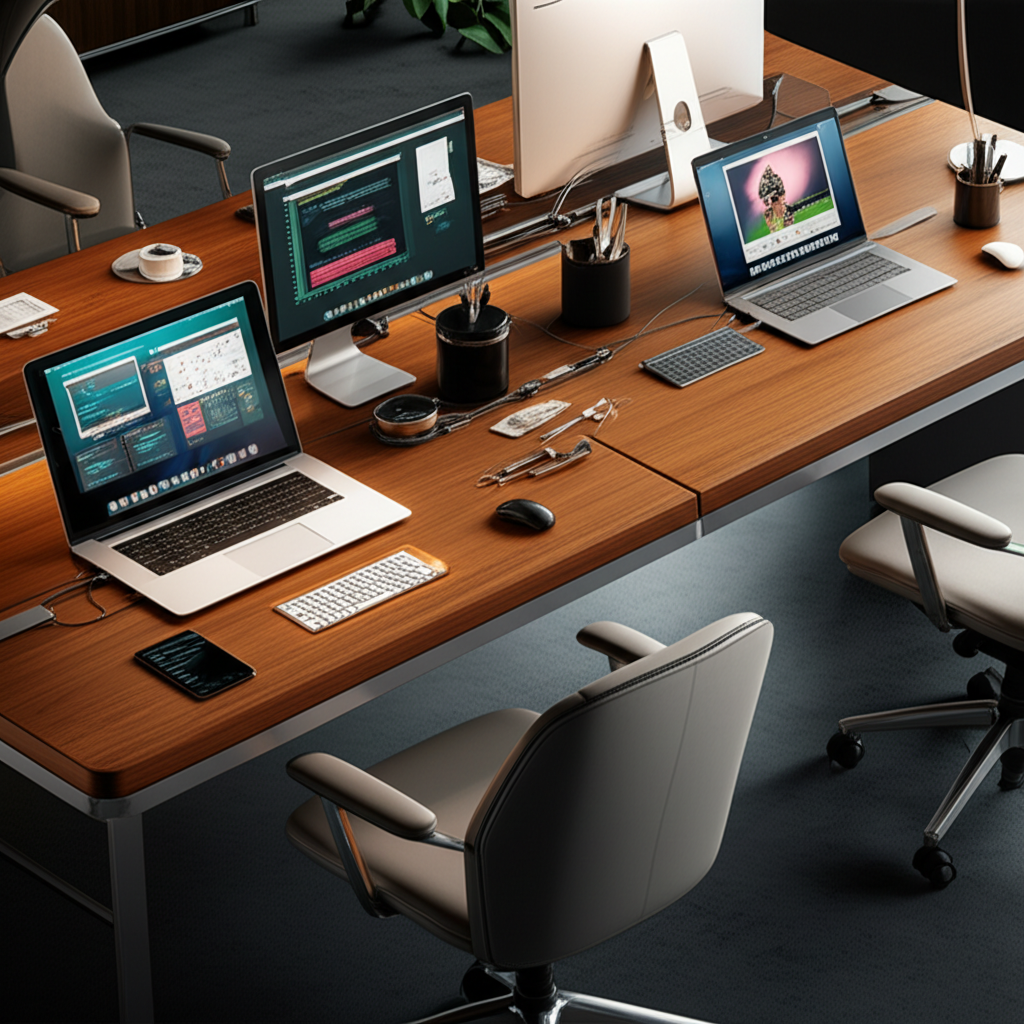
A two person workstation with cable management is essential for shared home offices, transforming chaos into a productive, clutter-free sanctuary for two. Discover genius solutions to optimize your dual workspace.
The shared home office can be a breeding ground for distractions and tangled wires, especially when two people are trying to coexist and be productive. It’s a common challenge, but one that’s entirely solvable with the right approach and the right furniture. Imagine a space where you and your partner, or sibling, or even a roommate, can both focus without tripping over cords or feeling cramped. This guide will walk you through the essentials of creating a harmonious and efficient two person workstation, with a special focus on mastering cable management for a truly genius setup.
Why a Two Person Workstation with Cable Management is a Game-Changer

A well-designed two person workstation with excellent cable management isn’t just about aesthetics; it’s a powerful tool for productivity and a harmonious living environment. It fosters focus by reducing visual clutter, leading to fewer distractions and a more serene atmosphere. This deliberate organization also minimizes the risk of accidents, like tripping over stray cables, ensuring a safer workspace for everyone involved.
The Dual-Desk Dilemma: When Space and Sanity Collide
When two individuals need to share a home office, the physical space can quickly become a point of contention. Without careful planning, the setup can feel cramped, unorganized, and counterproductive for both users. This often leads to frustration and a decrease in overall efficiency, impacting work and personal relationships.
Defining Your Shared Workspace Needs
Before diving into furniture, I always recommend a candid conversation about your individual and shared needs. What are your primary work functions? Do you need extensive storage? What are your noise tolerance levels? Understanding these factors will guide your choices and prevent future conflicts or inefficiencies.
Choosing the Right Two Person Workstation Furniture
The foundation of any successful shared workspace is the right furniture. For a two person setup, this means finding a desk that accommodates two people comfortably and efficiently, with ample space for each individual’s tasks.
The Benefits of Shared Desks
Shared desks, often referred to as double workstations or benching systems, are designed with two users in mind. They typically offer a continuous surface, allowing for a sense of shared purpose and connection while still providing distinct work areas. This can be more space-efficient than two separate desks and can promote a collaborative spirit if desired.
L-Shaped vs. Rectangular Double Desks
When selecting a double desk, consider the layout. An L-shaped configuration can offer more surface area and a natural separation of zones, ideal if you need distinct work areas. A rectangular double desk provides a more unified feel and can be easier to place in certain rooms, making it a versatile option.
Material Matters: Durability and Aesthetics
The materials used in your workstation are crucial for both longevity and the overall look and feel of your office. Opt for sturdy materials like solid wood, high-quality laminate, or metal for desks that will withstand daily use. Consider how the material complements your existing décor to create a cohesive and inviting space.
The Art of Ergonomics for Two
Ergonomics is paramount for any workspace, but for a two person setup, ensuring comfort and health for both individuals is key. This means paying attention to seating, monitor placement, and desk height.
Investing in Ergonomic Chairs
Comfortable seating is non-negotiable for long workdays. Look for chairs with adjustable height, lumbar support, armrests, and tilt functions. It’s worth investing in quality ergonomic chairs, as they can prevent back pain and improve posture, boosting productivity for both of you.
Monitor Placement: The 20-20-20 Rule in Action
Proper monitor height and distance are vital to prevent eye strain and neck pain. The top of your screen should be at or slightly below eye level, about an arm’s length away. Utilizing monitor arms can provide flexibility and help maintain proper ergonomic alignment for each user.
Standing Desks: A Dynamic Duo
Consider incorporating standing desks or a sit-stand desk converter for your two person workstation. Alternating between sitting and standing throughout the day can significantly improve circulation, reduce fatigue, and boost energy levels for both individuals. This offers a more dynamic and healthier work experience.
Mastering Cable Management: The Genius Behind the Clutter-Free Zone
Cable management is often the most overlooked aspect of a home office, yet it’s critical for both functionality and aesthetics, especially in a shared space. A clean, organized setup is not only visually pleasing but also makes it easier to maintain and troubleshoot your equipment.
Why Cable Management is Essential for Two
In a two person workstation, the number of devices and power cords can quickly multiply. Without a system, this leads to a tangled mess that’s unsightly, a tripping hazard, and makes it difficult to add or remove equipment. Effective cable management creates a seamless and professional-looking workspace for both occupants.
Essential Cable Management Tools
There are numerous tools to help you conquer cable chaos. Common solutions include:
Cable Sleeves/Wraps: These bundle multiple cables together, creating a single, neater cord.
Cable Clips/Ties: Reusable or disposable ties and clips can secure cables to desk legs or walls.
Under-Desk Cable Trays/Baskets: These mount beneath your desk to hold power strips and excess cable length, keeping them out of sight.
Cable Grommets: Holes in your desk surface with a cover allow cables to pass through neatly.
* Adhesive Cable Organizers: Small, sticky clips that adhere to surfaces to guide and secure individual cables.
Strategizing Your Cable Flow
Begin by identifying all your devices and their respective power and data needs. Plan the route each cable will take from the device to the power source or port, aiming for the shortest, most direct path possible. Utilize your chosen management tools to secure cables along this path, ensuring they are not visible from your primary seating positions.
Power Strip Placement: The Hidden Heroes
A crucial step is deciding where to place your power strips. Mounting them under the desk or within a dedicated cable tray keeps them hidden and accessible. This prevents the unsightly sight of multiple power strips on the floor or desk surface.
Managing Device-Specific Cords
For each user, consider the cables specific to their setup – monitor cables, keyboard and mouse wires, charging cables, and audio cords. Use individual clips or sleeves to manage these, keeping them organized at their source and along their run. This personalized approach ensures each person’s setup remains tidy.
Integrating Cable Management into Your Desk Choice
Many modern desks designed for two person workstations come with built-in cable management solutions. Look for desks with pre-drilled grommets, integrated cable trays, or channels. These features simplify the process significantly and contribute to a sleek, integrated look.
Optimizing Lighting for a Productive Partnership
The right lighting can dramatically impact mood, energy levels, and productivity in a shared workspace. For a two person workstation, it’s about finding a balance that suits both individuals’ needs and preferences.
The Power of Natural Light
Maximize natural light whenever possible. Position your workstation near a window to take advantage of sunlight, which is known to boost mood and reduce eye strain. Be mindful of glare on screens, however, and use blinds or curtains to control it.
Layered Artificial Lighting
A good lighting strategy involves layers. Ambient lighting provides general illumination, while task lighting, such as desk lamps, offers focused light for reading or detailed work. Consider adjustable desk lamps that allow each person to customize their lighting intensity and direction.
Avoiding Screen Glare and Eye Strain
Positioning monitors to avoid direct light sources is crucial. If glare is unavoidable, consider an anti-glare screen protector. A well-lit environment with balanced lighting will reduce the strain on your eyes, making it easier to focus for longer periods.
Effective storage is key to maintaining a clutter-free two person workstation. Without it, your organized cables and clear desk surfaces will quickly become overwhelmed with paperwork and supplies.
Vertical Storage: Maximizing Wall Space
Utilize vertical space with wall-mounted shelves, pegboards, or file organizers. This keeps essential items accessible without encroaching on desk space, which is particularly important when sharing. A pegboard can be a versatile solution, allowing each person to customize their storage.
Desk Organizers and Drawer Inserts
Desk organizers, such as pen holders, document sorters, and drawer inserts, help keep smaller items tidy. For a shared desk, consider individual organizers or clearly designated sections within shared drawers to prevent items from mixing. This promotes personal space within the shared environment.
Digital Organization: The Unsung Hero
While physical organization is important, don’t forget digital decluttering. Implement a clear file management system on your computers and use cloud storage effectively. This reduces the need for excessive physical paperwork and keeps your digital workspace as organized as your physical one.
Décor and Design: Creating a Harmonious Atmosphere
The aesthetic of your shared workspace plays a significant role in its overall feel and your ability to focus. Aim for a design that is pleasing to both individuals and promotes a sense of calm and professionalism.
Color Psychology for Productivity
Colors can influence mood and productivity. Neutral tones like whites, grays, and beiges create a calm backdrop, while pops of color can add energy. Consider a palette that both individuals find appealing and conducive to concentration.
Personalizing Your Space (Without Clutter)
While it’s a shared space, allowing for personal touches can make it more inviting. This could be a small plant, a framed photo, or a piece of art. The key is to keep these personal items contained and not let them add to the visual clutter.
Plants for a Breath of Fresh Air
Adding plants to your workspace can improve air quality and reduce stress. Choose low-maintenance options that thrive indoors. They add a touch of nature and vibrancy, making the shared space more enjoyable for both of you.
Integrating Technology Seamlessly
With two people, the tech needs can be extensive. Seamless integration ensures that devices work together efficiently and cables remain managed.
Wireless Peripherals: A Cable Management Dream
Consider wireless keyboards, mice, and headphones to significantly reduce the number of cables you need to manage. This not only declutters your desk but also offers greater flexibility in your setup.
Docking Stations and Hubs
For laptops, docking stations and USB hubs are invaluable. They allow multiple peripherals to connect through a single cable, simplifying connections and reducing cable sprawl. This is especially useful when switching between different devices or users.
Cable Management for Power and Charging
Beyond the desk, think about where you charge devices. A multi-port USB charger mounted discreetly or a power strip with ample outlets, managed within your under-desk tray, can keep charging cables organized and accessible.
Maintaining Your Organized Two Person Workstation
Setting up an organized workstation is only half the battle; maintaining it is crucial for long-term success. Regular habits will ensure your two person workstation with cable management remains a sanctuary of productivity.
The “One Minute Rule” for Tidiness
Encourage a “one minute rule” where if a task takes less than a minute, it’s done immediately. This includes putting away stray pens, filing a document, or tidying a small pile of papers. This prevents small messes from accumulating.
Weekly Quick Tidy Sessions
Schedule a brief weekly session to address any emerging cable tangles or clutter. This could be as short as 10-15 minutes for both individuals. It’s a small investment that pays significant dividends in maintaining a functional and pleasant workspace.
Decluttering Regularly
Periodically review your supplies and documents. Purge anything you no longer need. This applies to both physical items and digital files. A clean slate ensures your organized space stays that way.
Frequently Asked Questions About Two Person Workstations with Cable Management
How do I divide a shared desk fairly?
Fair division often involves agreeing on a centerline or designated zones for each person’s equipment and personal items. Clear communication about individual needs and respecting each other’s space is key.
What is the best way to hide cables on a shared desk?
Utilizing under-desk cable trays, raceways, and trunking are the most effective ways to hide cables. Bundling them with sleeves or ties before routing them into these management systems creates a very clean look.
Can I use two separate desks to create a two person workstation?
Yes, you can. Placing two desks back-to-back or side-by-side can function as a two person workstation. Ensure they are at a similar height and consider how you will manage the cable connections between them and for each individual.
What if one person has more tech equipment than the other?
This is where personalized cable management solutions come in. Ensure the person with more equipment has adequate space in cable trays and potentially a larger power strip, while maintaining a visually balanced and organized setup for both.
How do I prevent noise distractions in a shared office?
Noise-canceling headphones are a popular solution. Acoustic panels can also help absorb sound. Choosing a workstation layout that offers some physical separation can also minimize auditory distractions.
Conclusion: Your Genius Two Person Workstation Awaits
Creating an effective and enjoyable two person workstation with cable management is an achievable goal that will significantly enhance productivity and harmony. By carefully selecting furniture, prioritizing ergonomics, and implementing smart cable management strategies, you can transform a potentially chaotic space into a functional and inspiring environment for both individuals. Remember that clear communication and a willingness to adapt are just as important as the physical setup. Embrace these principles, and you’ll build a workspace that not only looks great but also empowers both of you to do your best work, free from clutter and distraction. Your genius two person workstation with cable management is within reach!
